Neglected brutalism
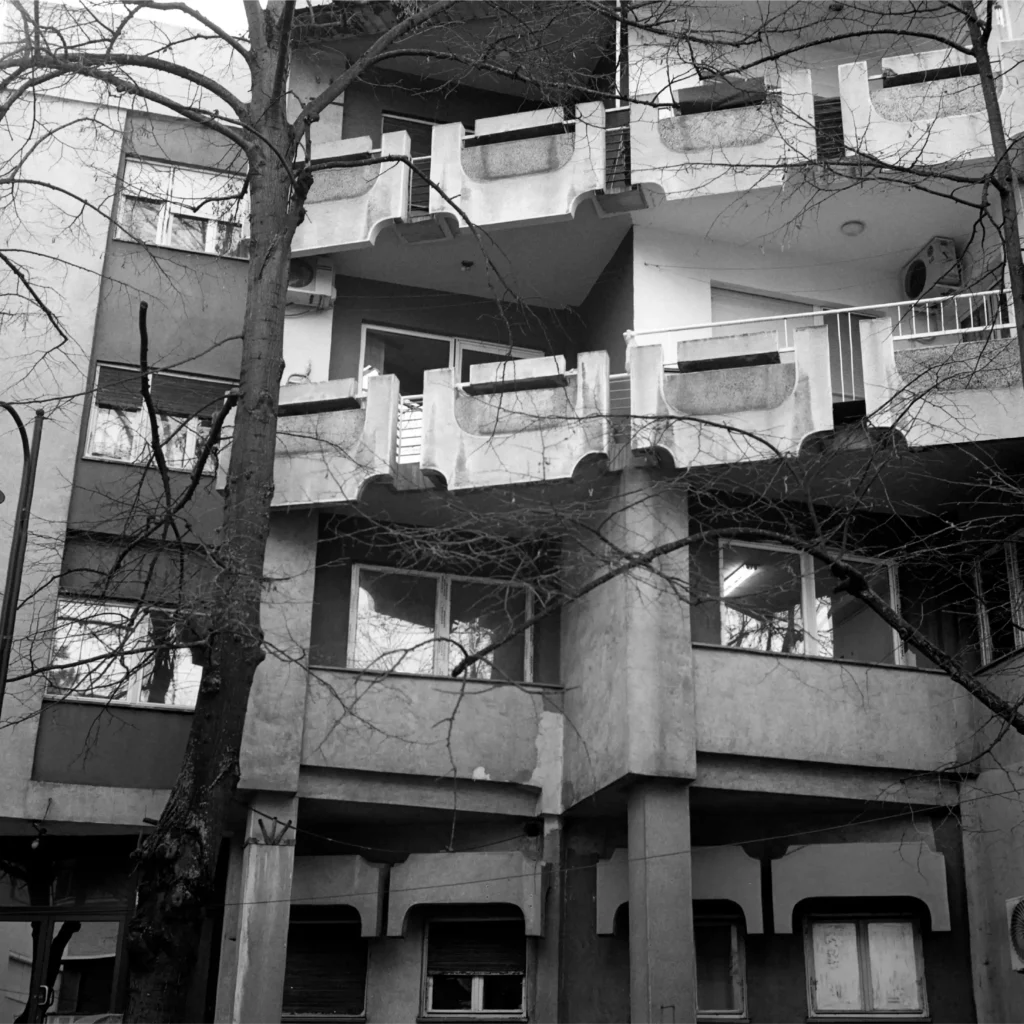
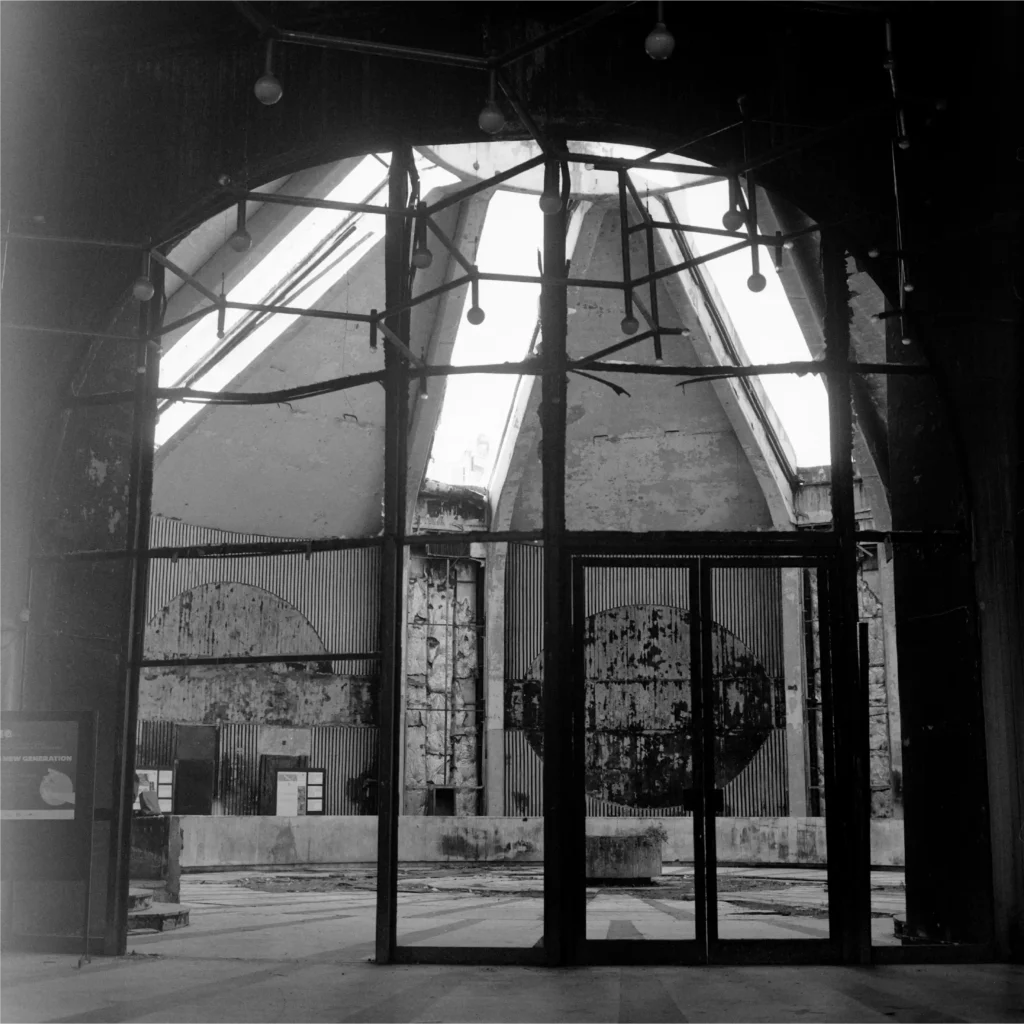
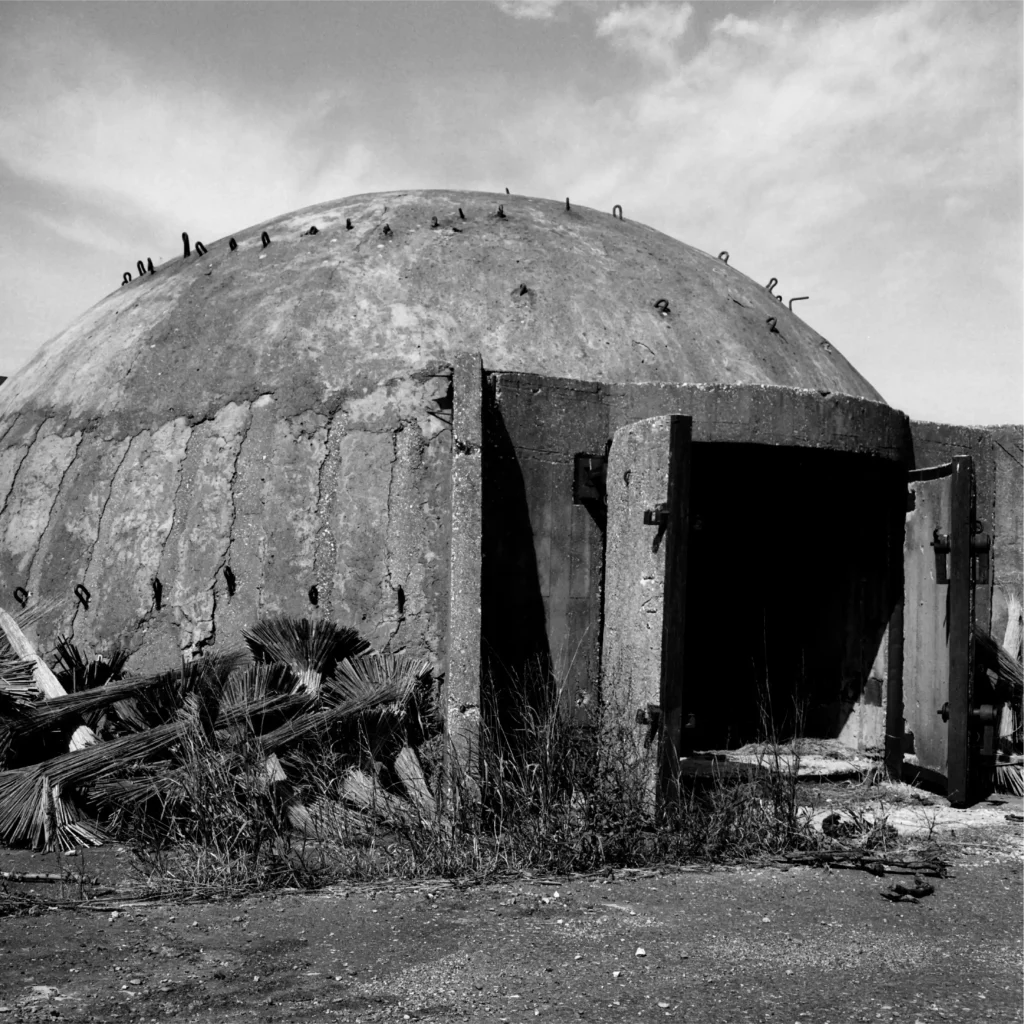
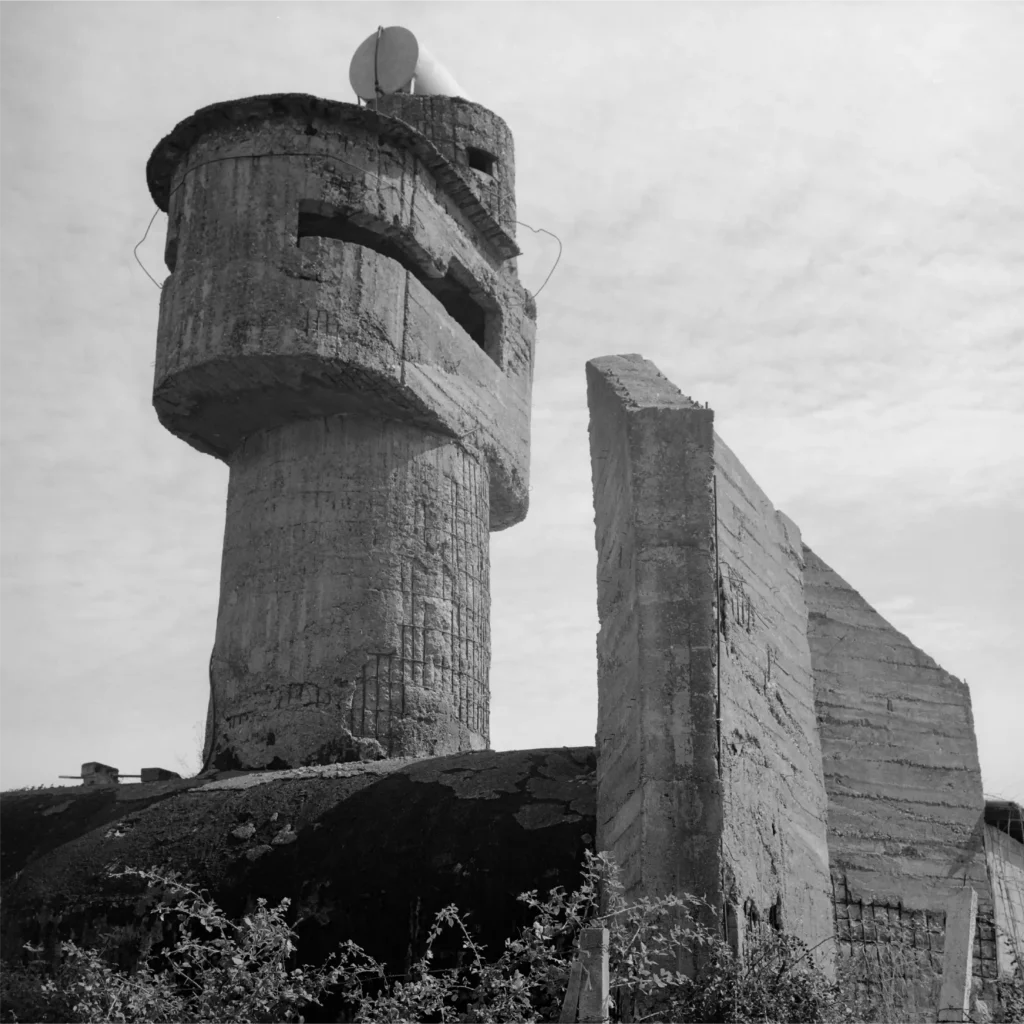
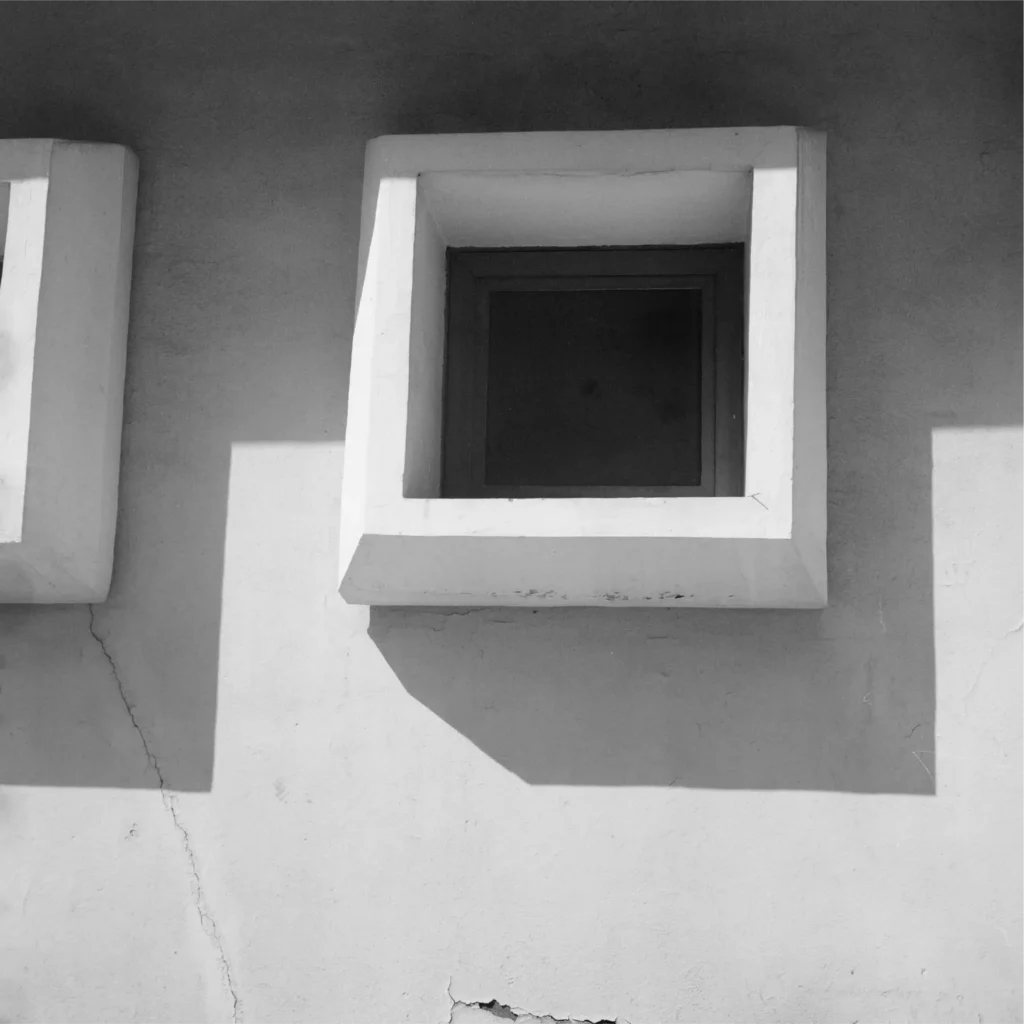
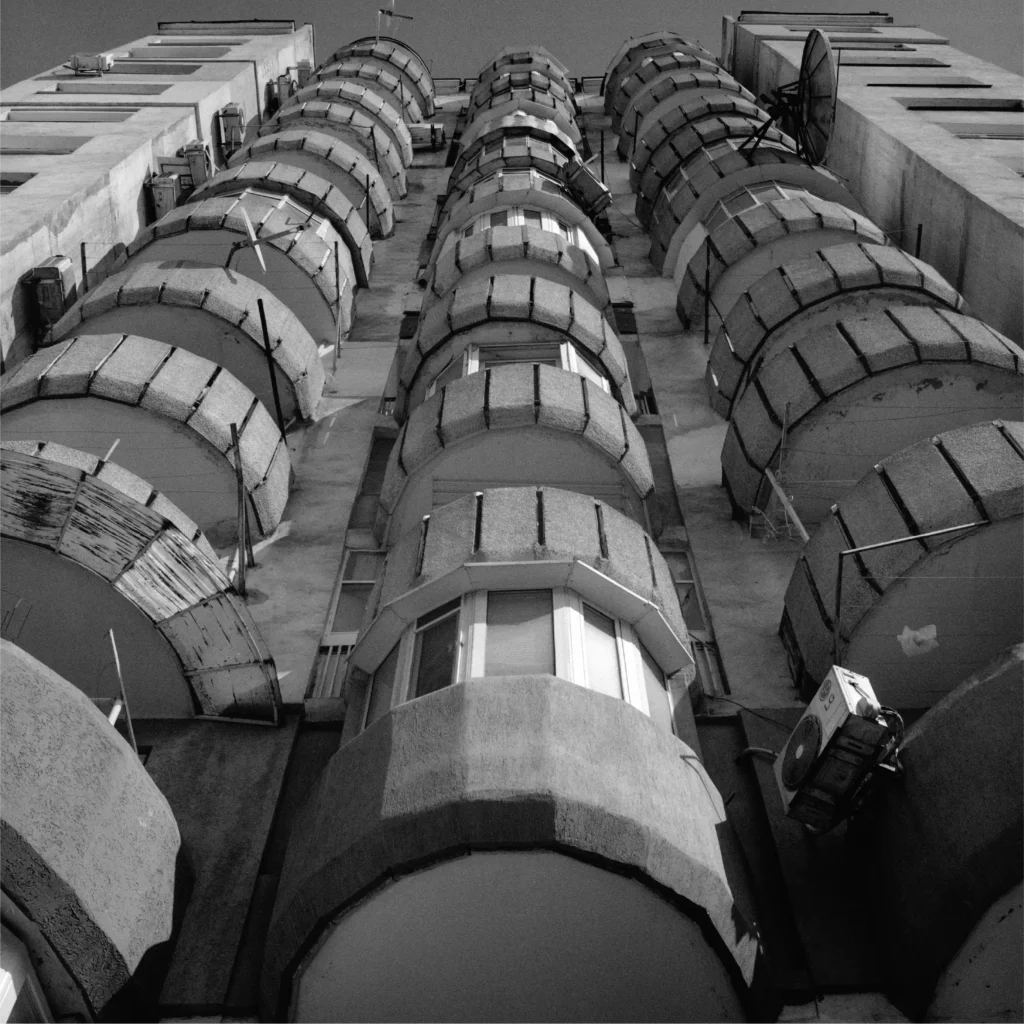
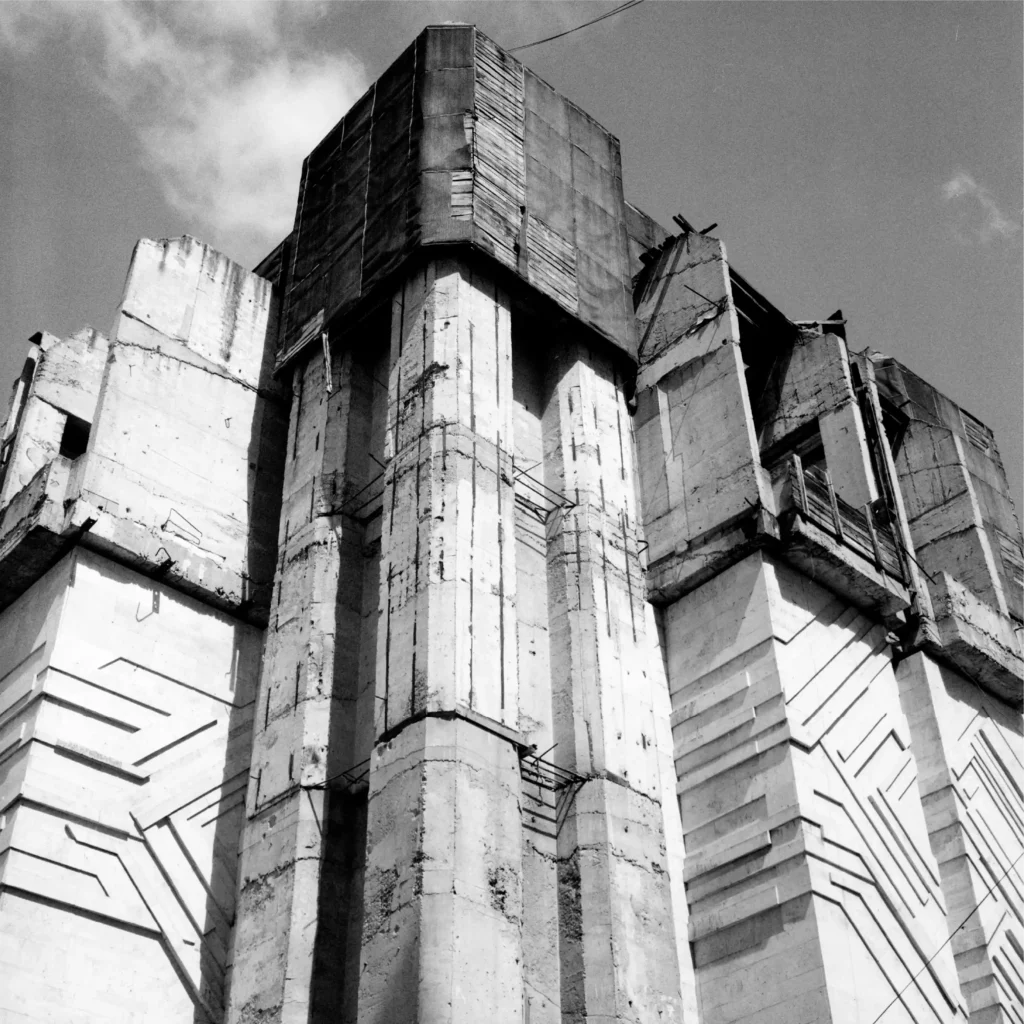
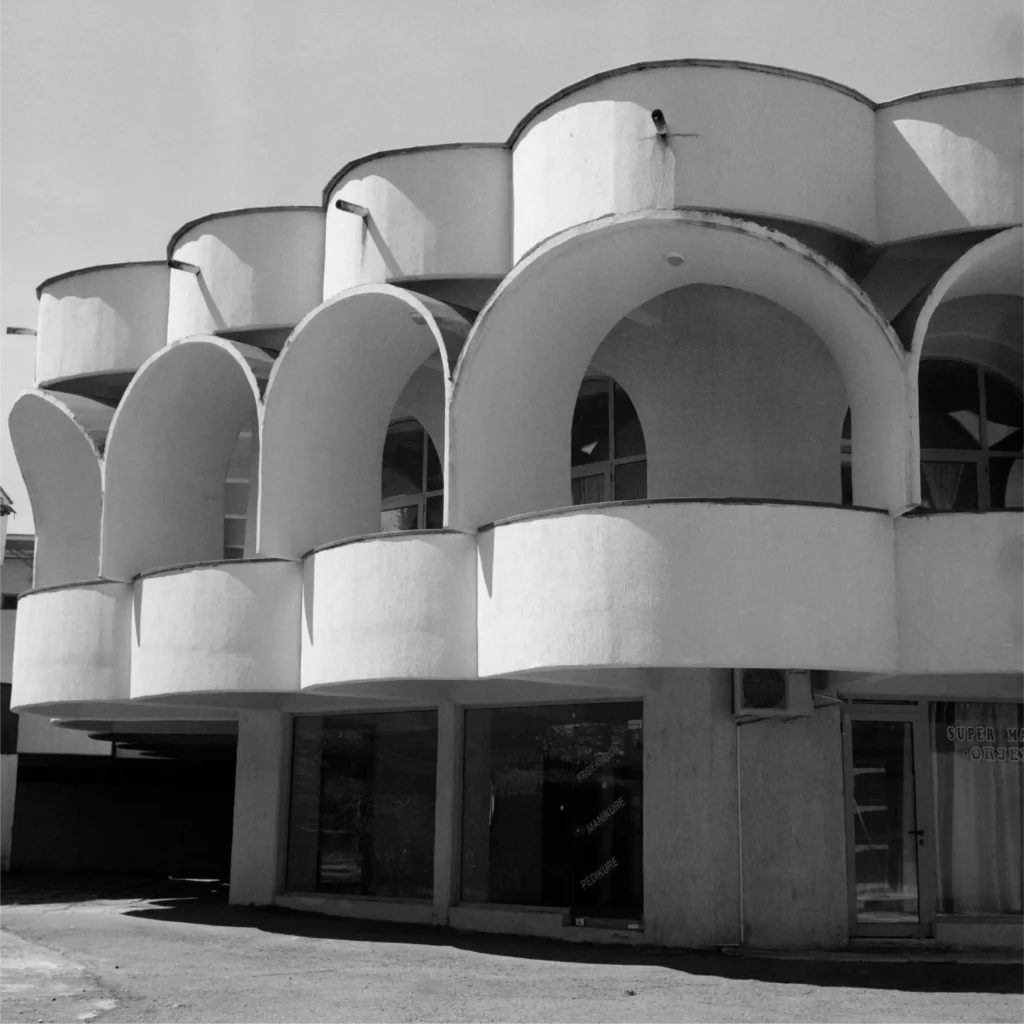
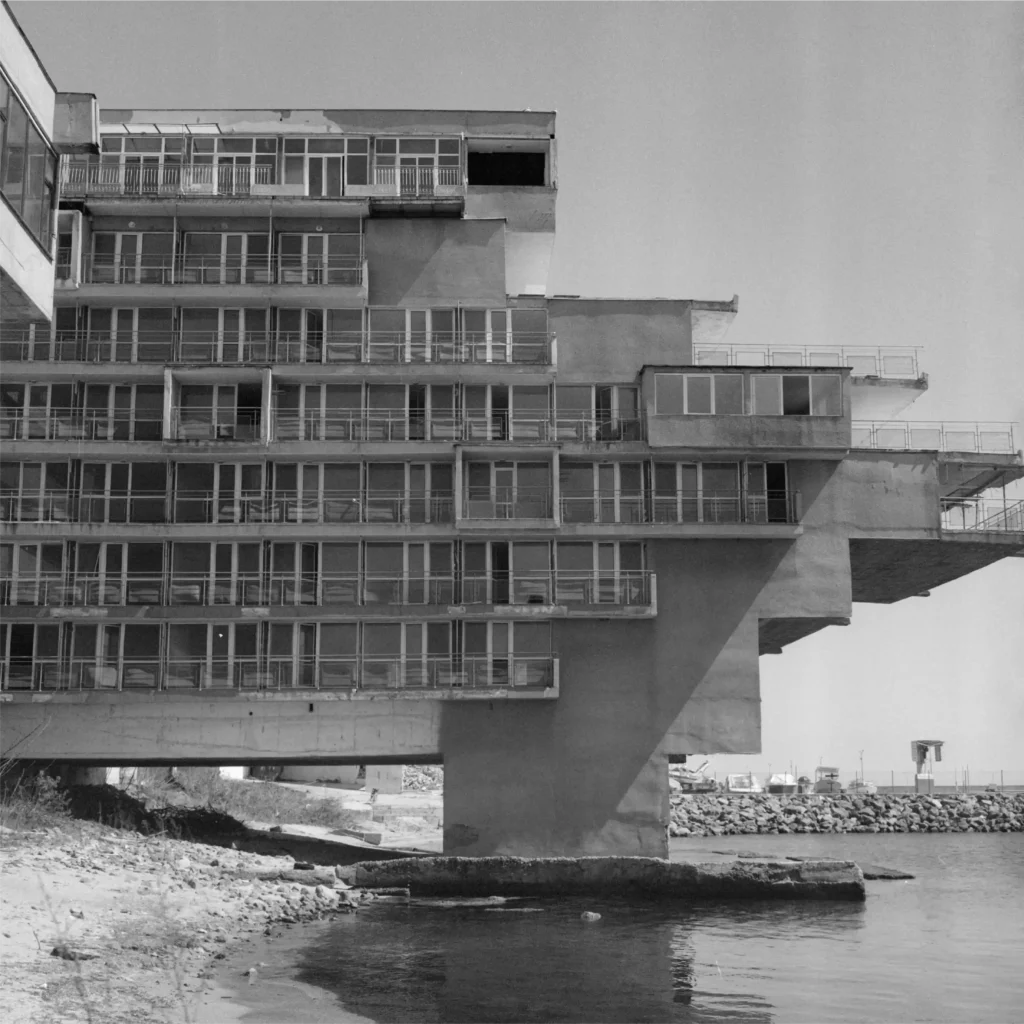
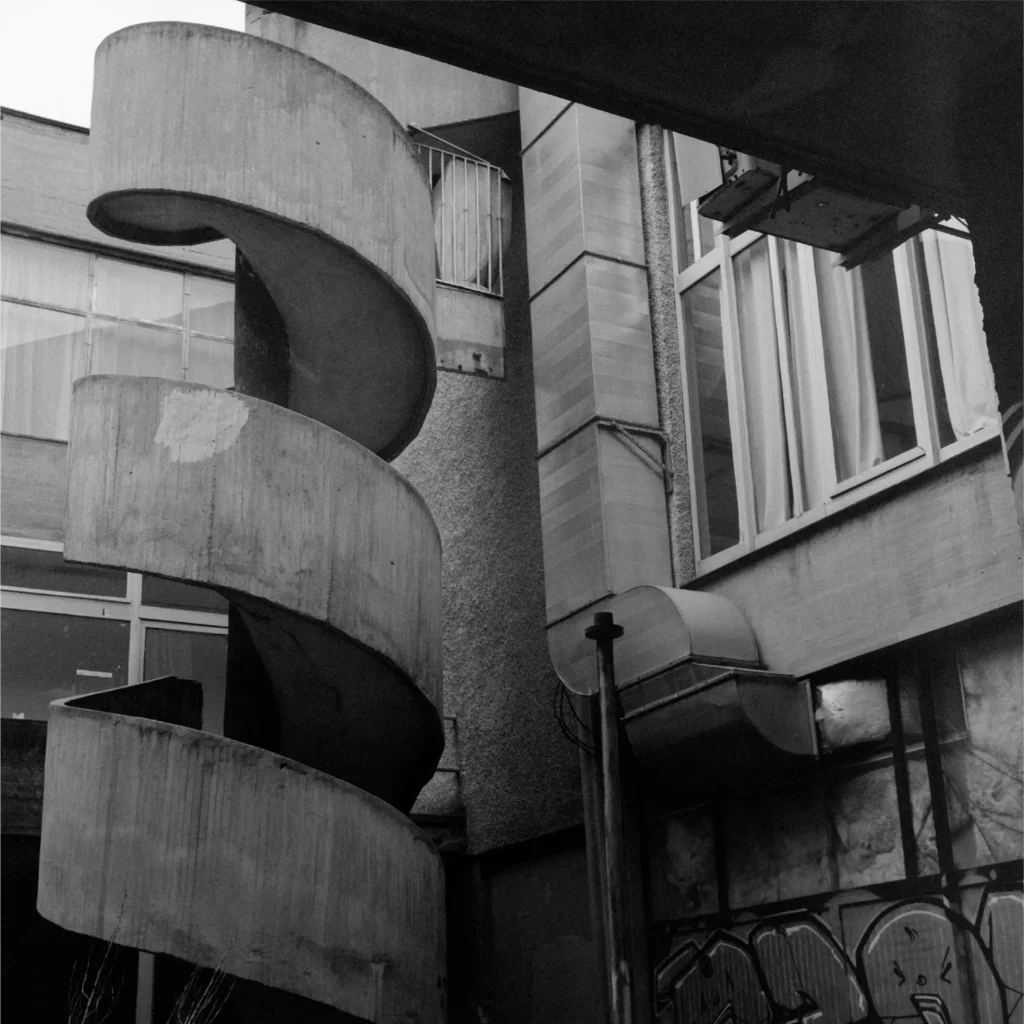
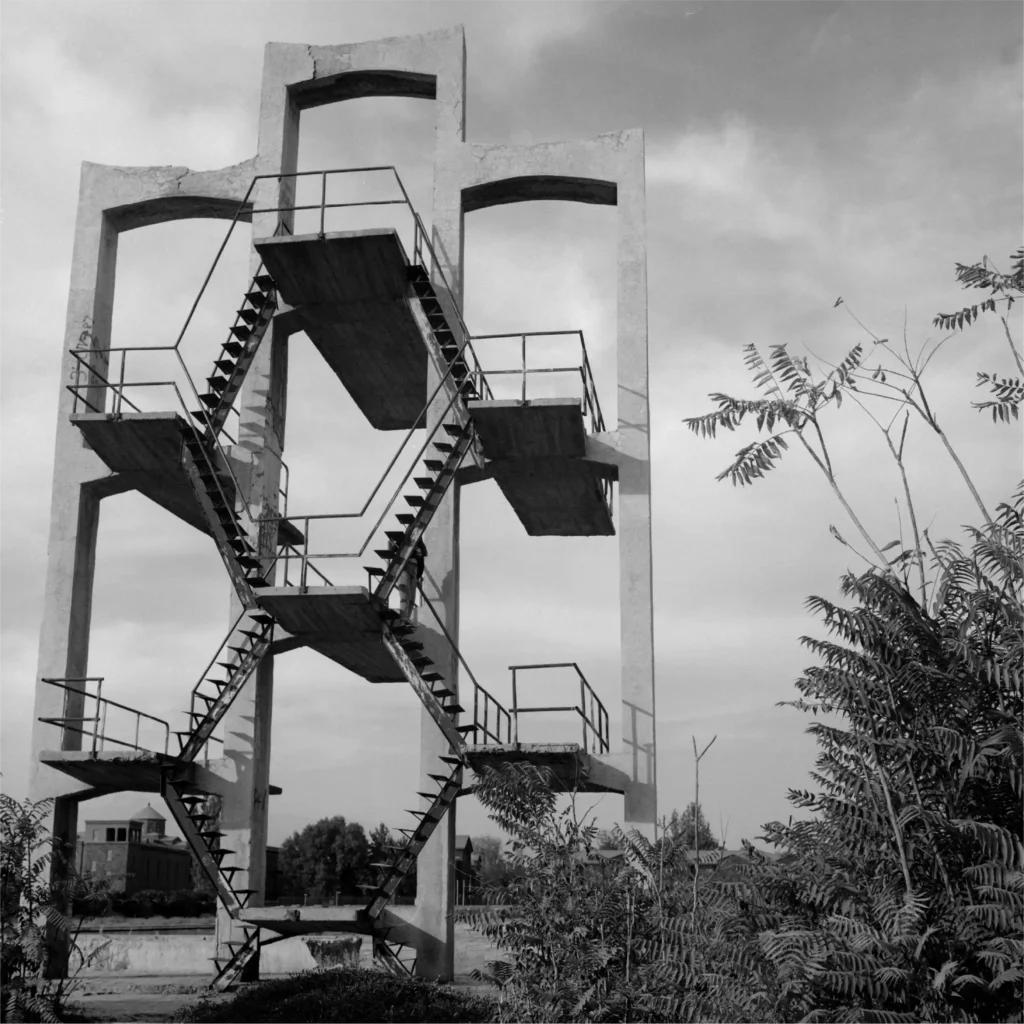
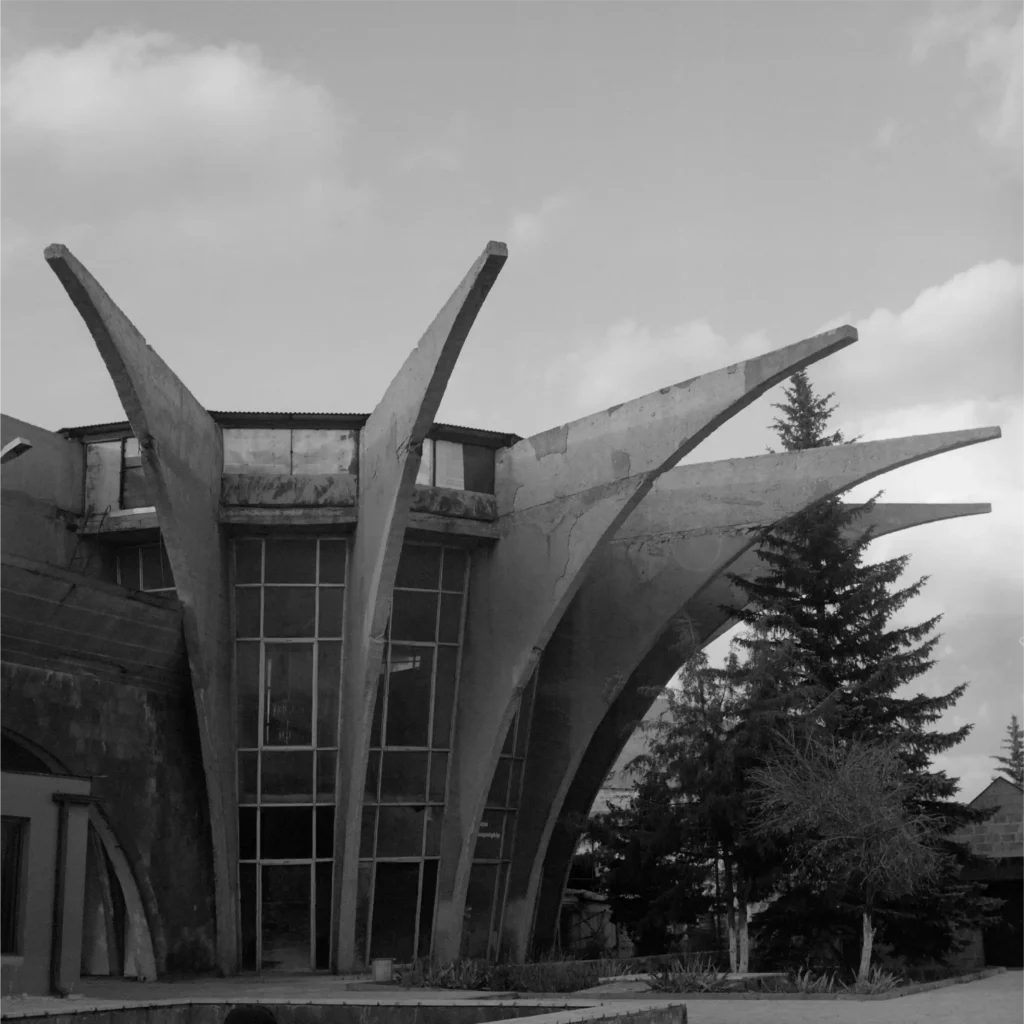
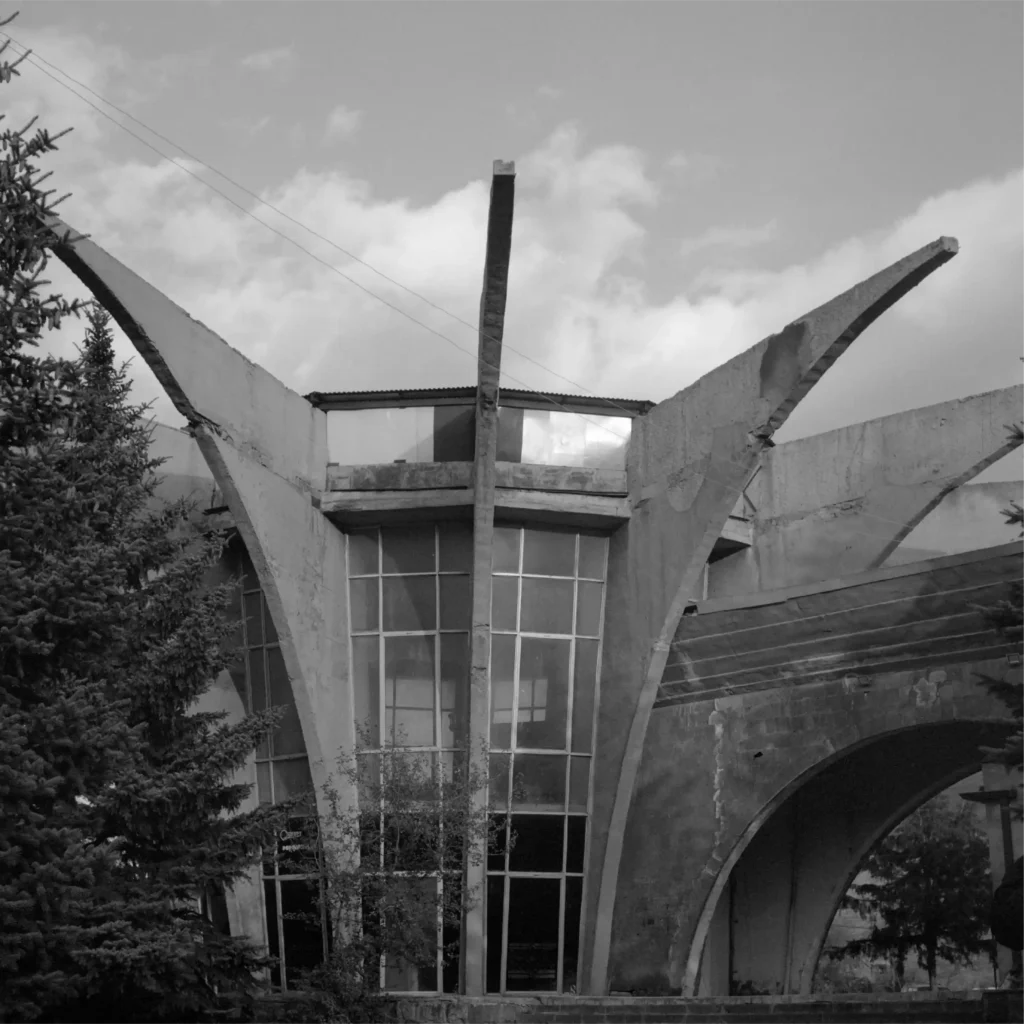
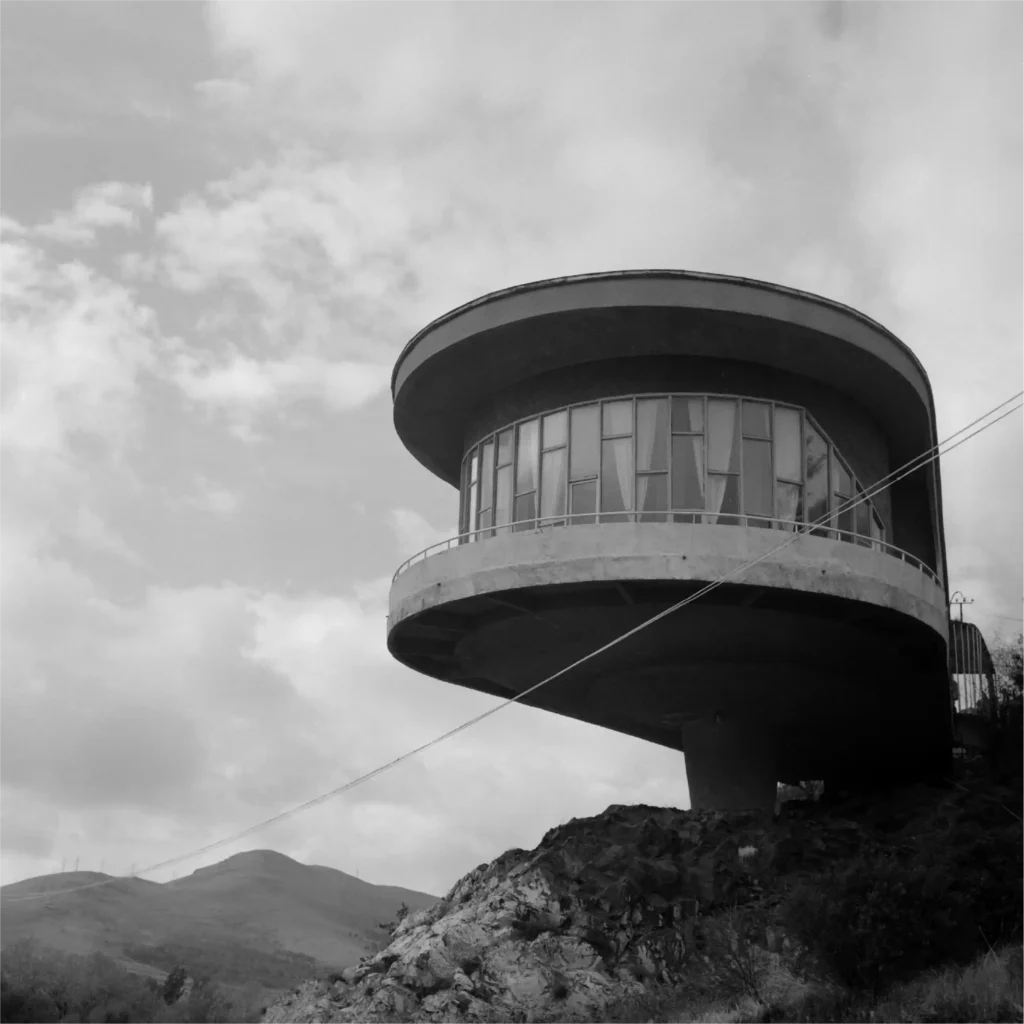
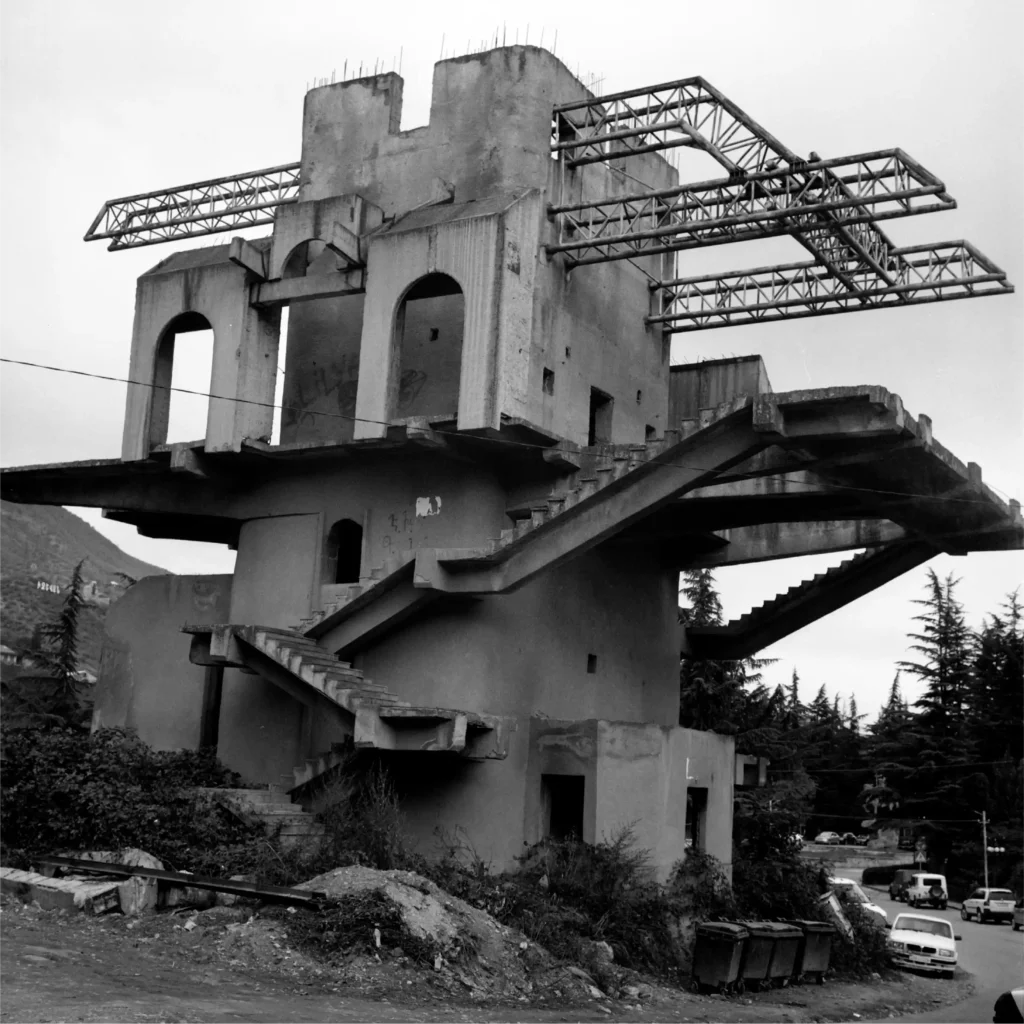
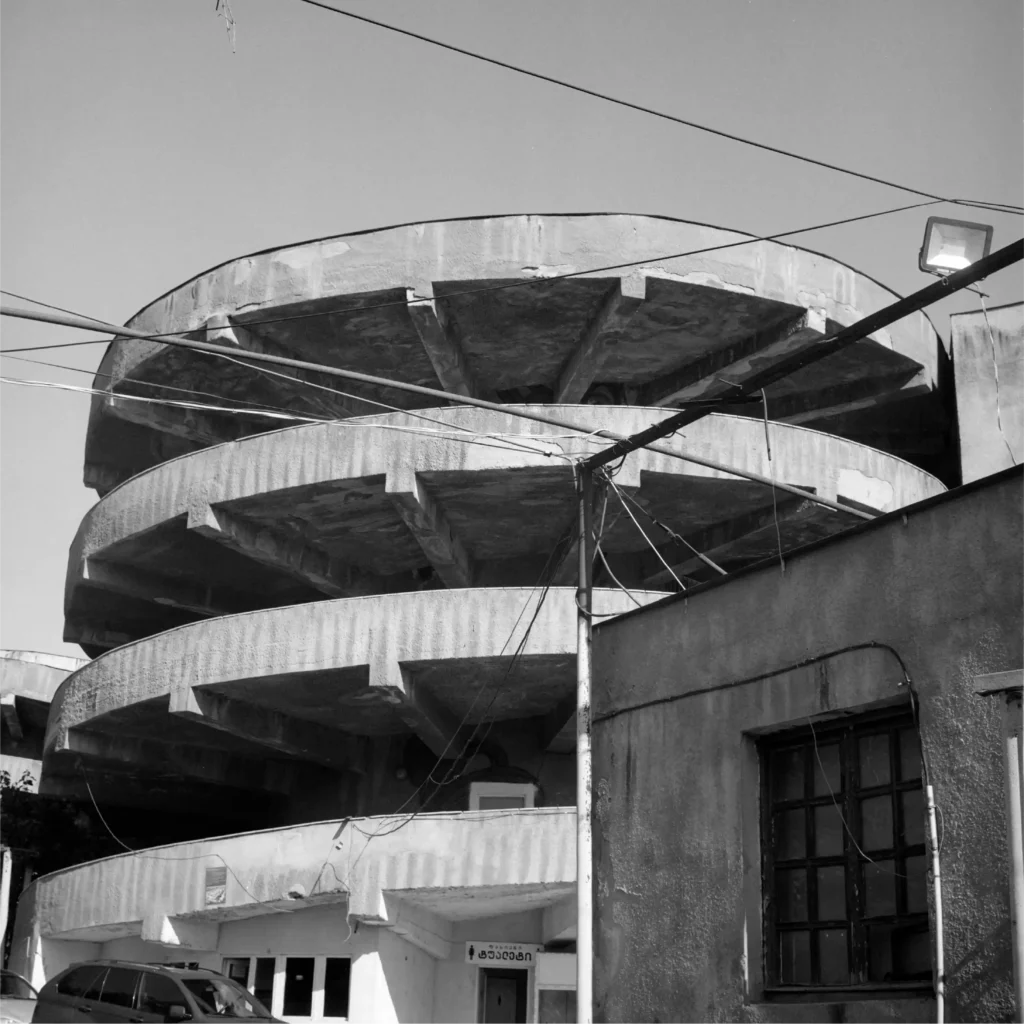
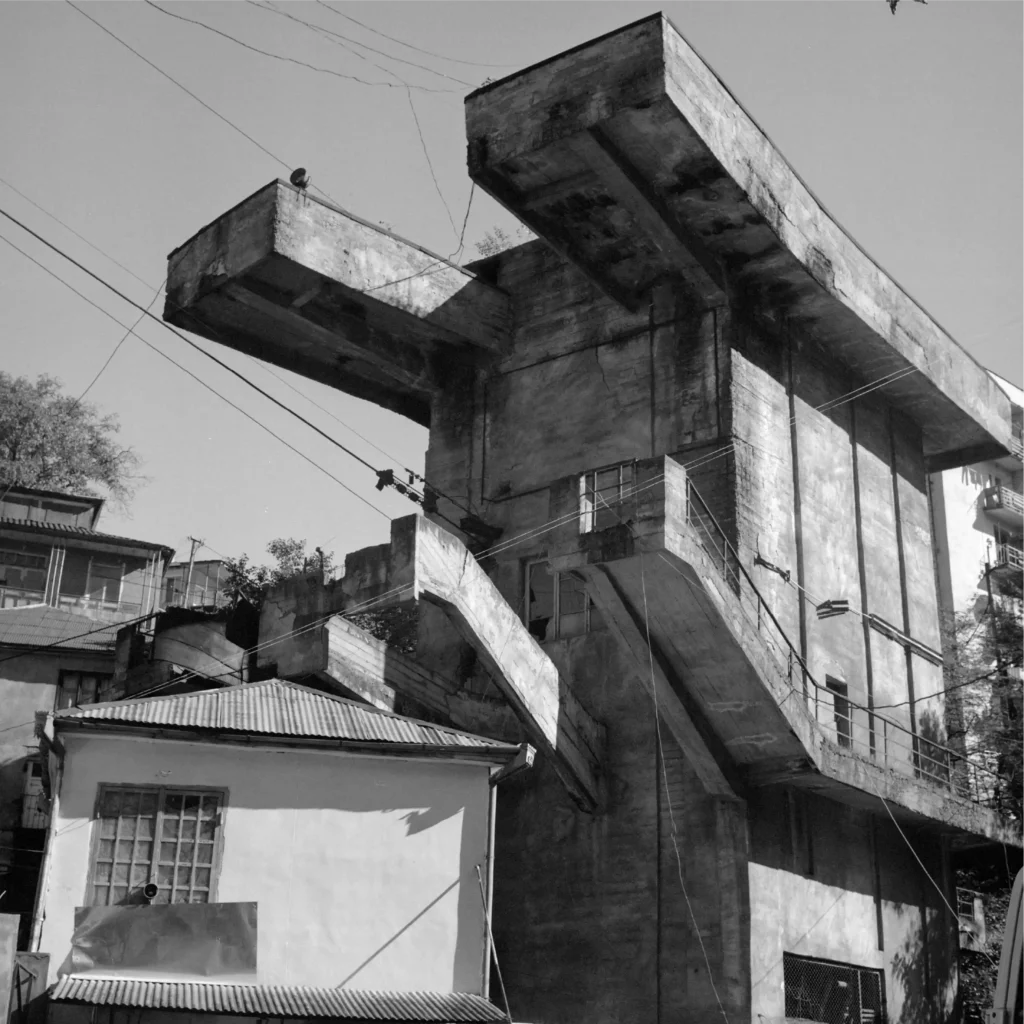
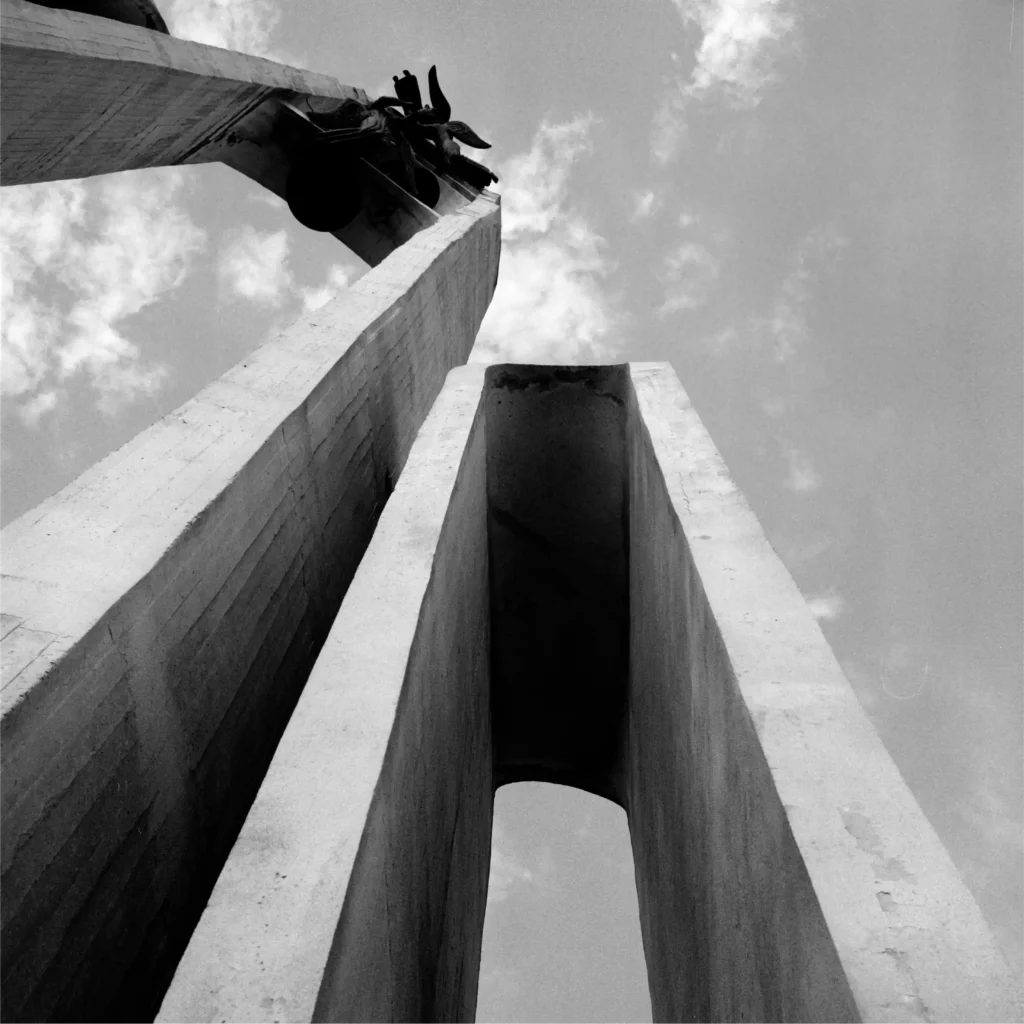
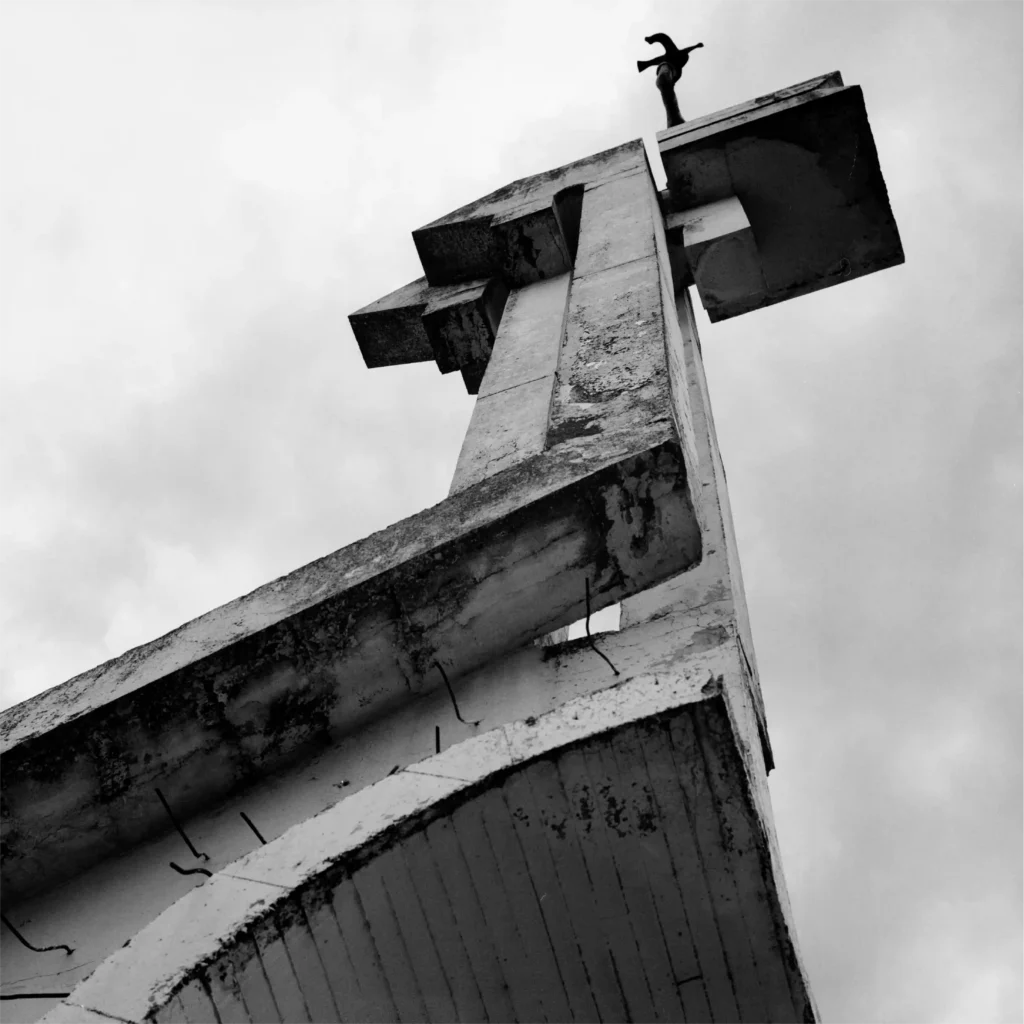
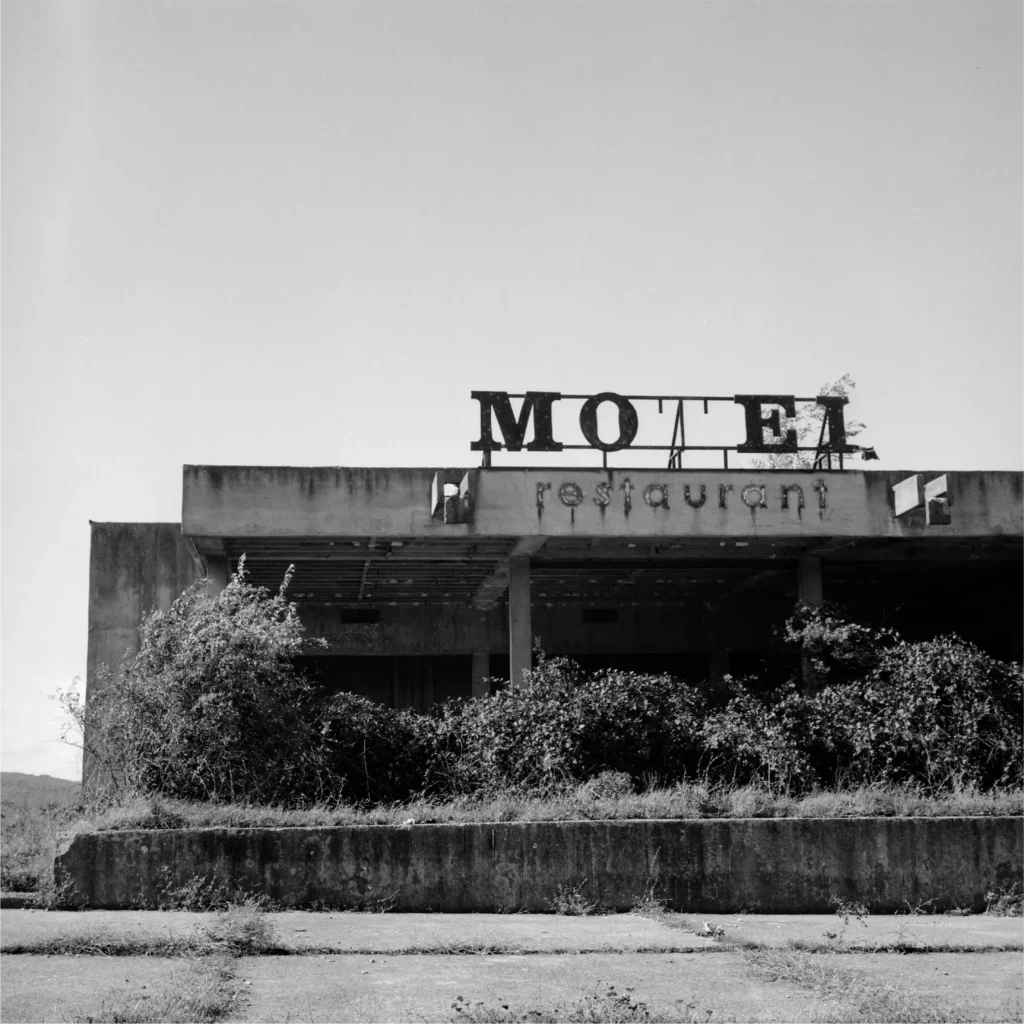
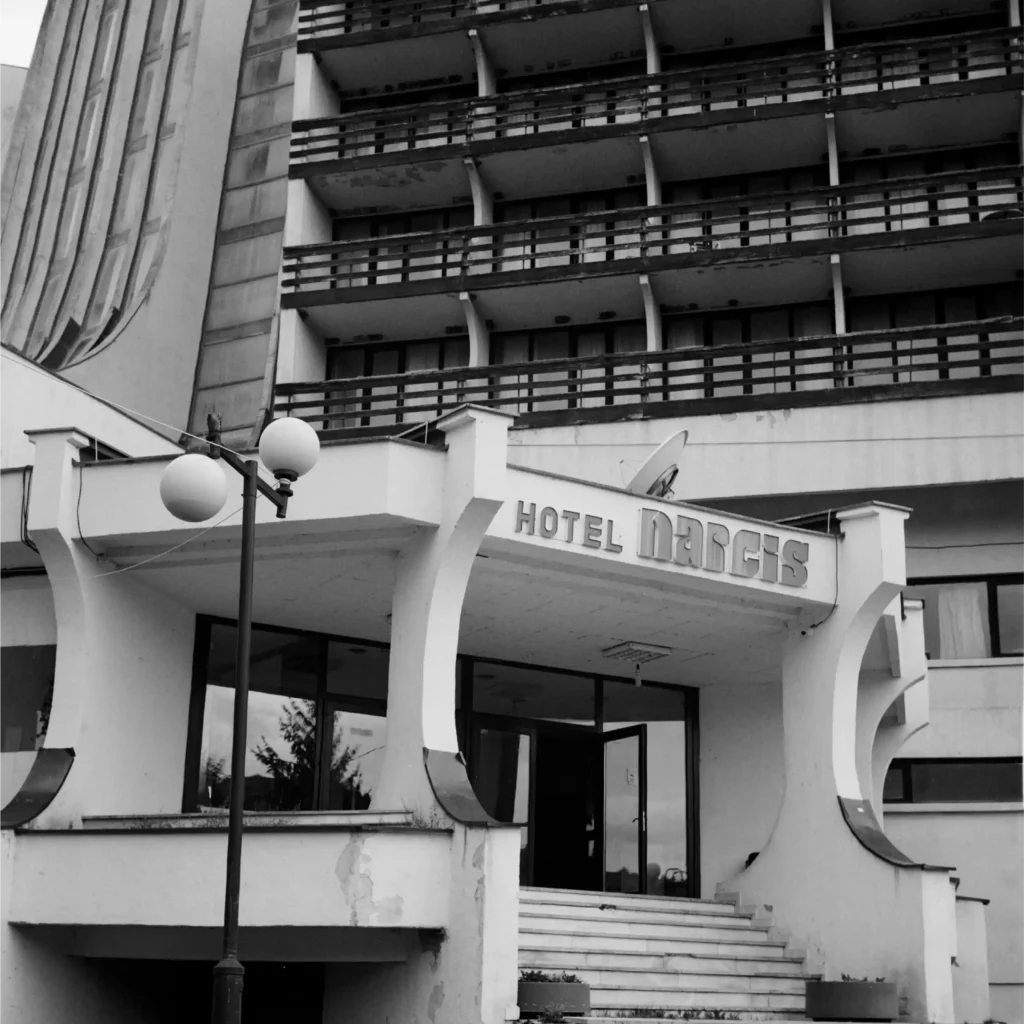
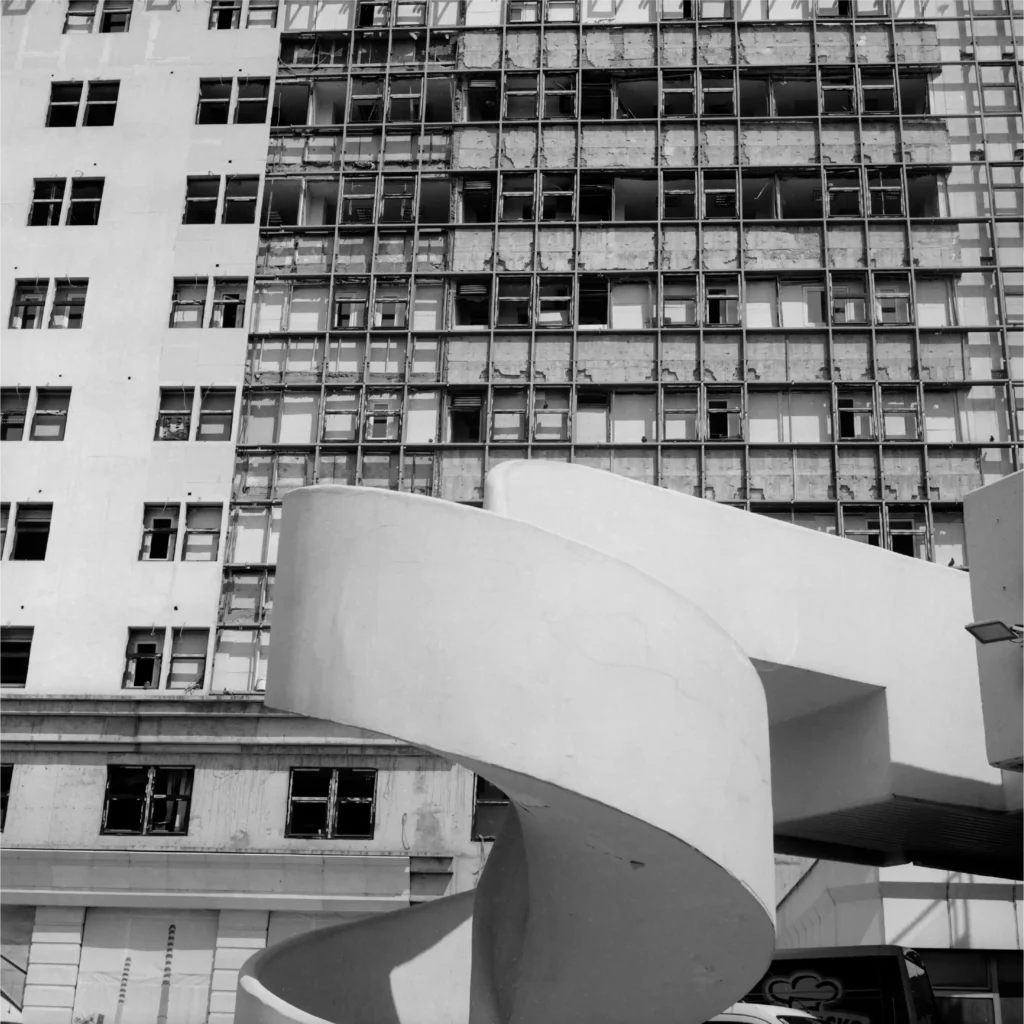
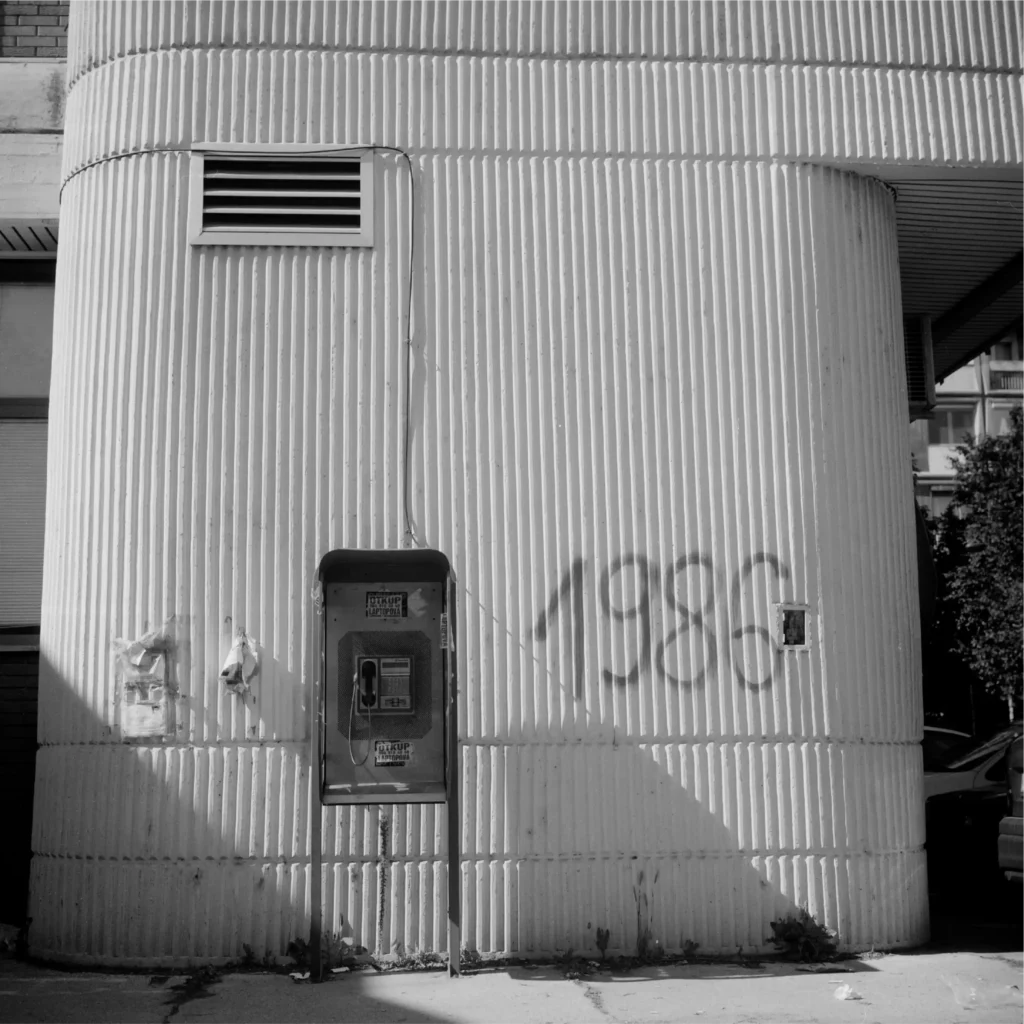
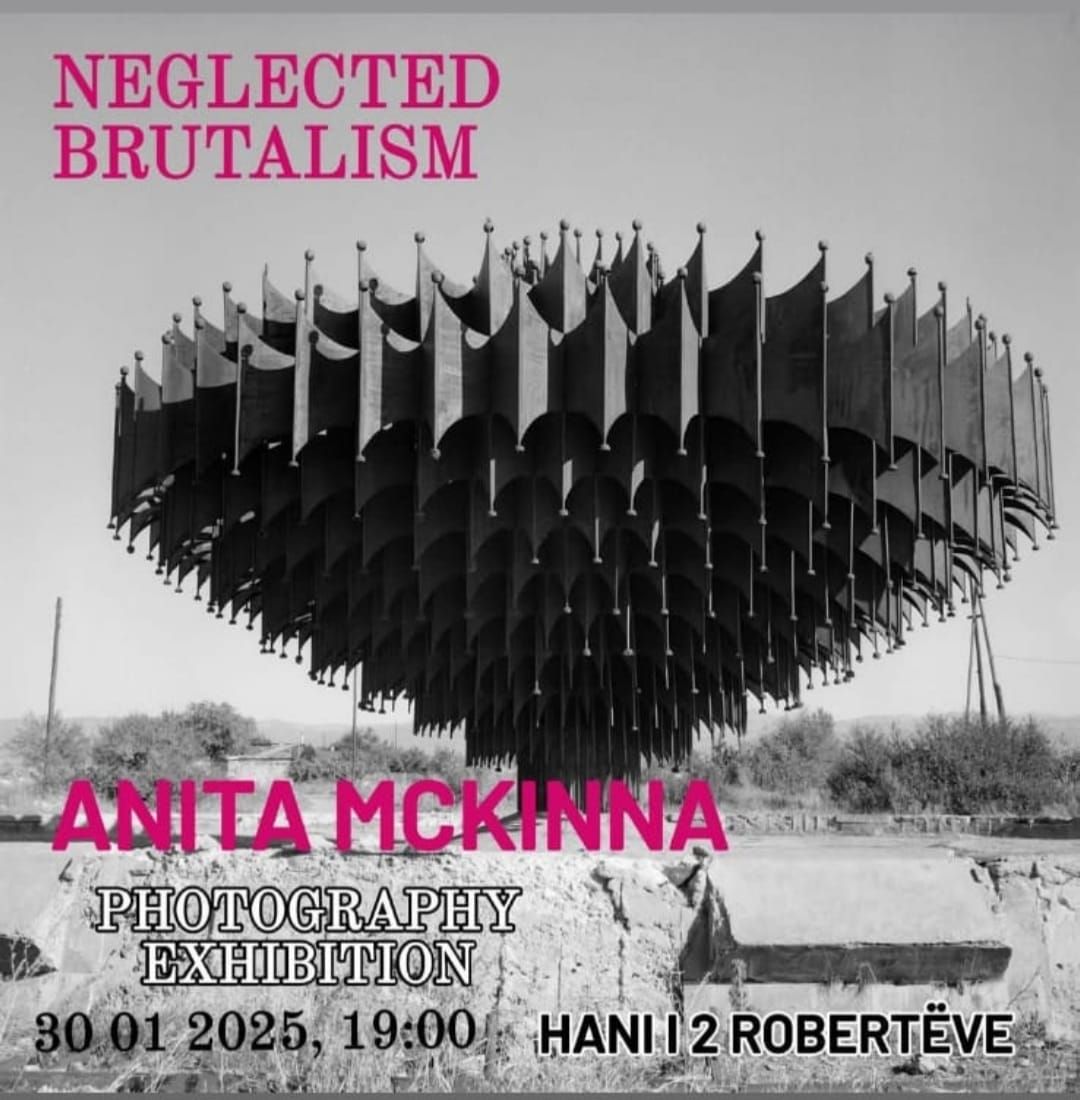
Anita McKinna from Australia brings to the Café-Gallery Hani i 2 Robertëve a selection of 29 of her photographs themed around abandoned buildings that once belonged to the so-called Brutalist architecture. This branch of modern architecture developed after the Second World War, first in Great Britain, and later spread throughout the world. The main characteristic of this style is the use of concrete as a structural building material in its raw form, what in French is called béton brut, that is, unrefined, unpolished, and without decorative additions.
Brutalist architecture was imposed by the needs of its time, as after the highly destructive war there arose an urgent demand for massive and rapid reconstruction. This led to a utilitarian approach, where the new buildings and reconstructions were meant to be functional and designed with utmost simplicity, an approach that effectively restrained creative imagination within a framework of reductive aesthetics.
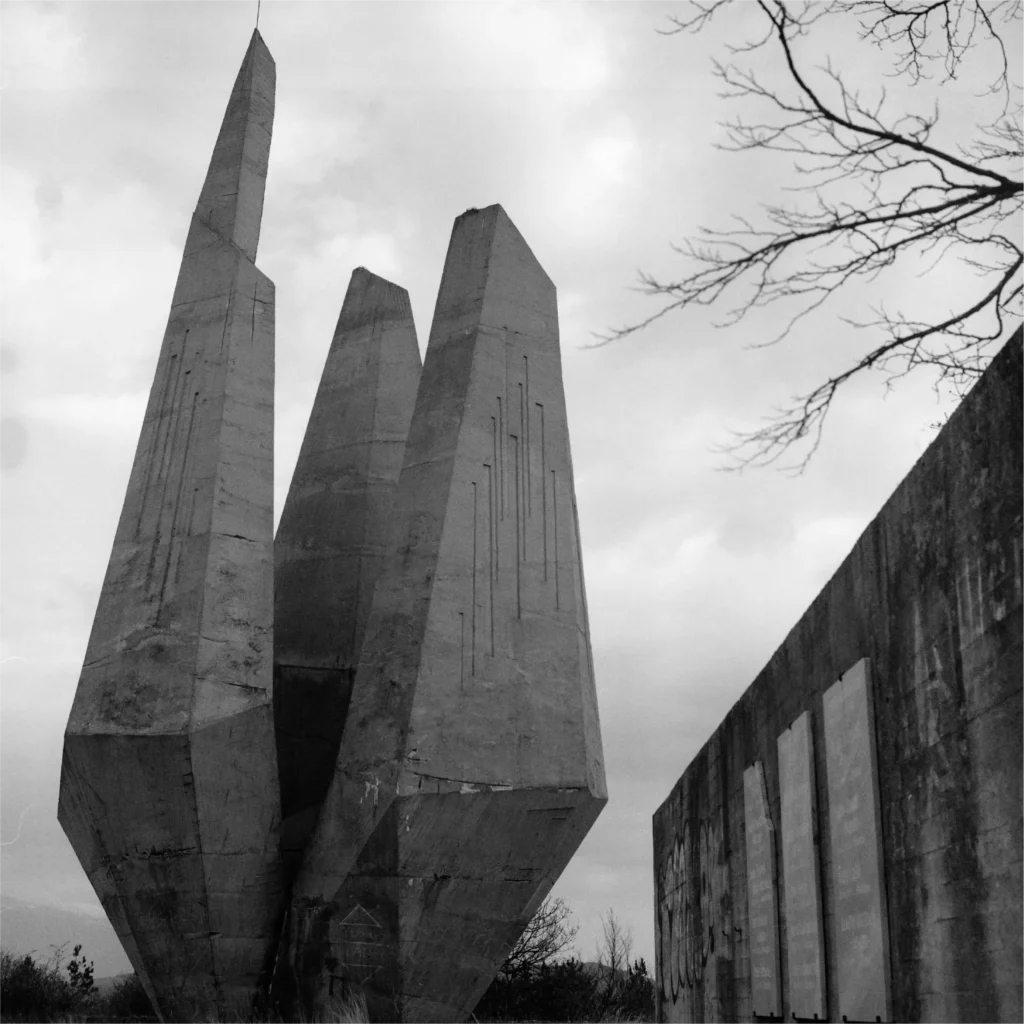
Béton brut was a fitting choice for the utilitarian approach. On one hand, designers were drawn to the functionality of this monolithic concrete structure itself. On the other hand, its monumentality was also appealing, especially when used to shape large, seamless surfaces that resembled ancient constructions made of massive stone blocks, megaliths. This latter aspect inspired the designers of monuments dedicated to the heroism and victims of war, and particularly the creators of communist memorials. Beyond attracting utilitarian architecture in capitalist countries, béton brut was also incorporated into neo-megalithic experiments in socialist nations. Especially for memorials, designers found an opportunity to transcend the rigid Stalinist doctrine of socialist realism by exploiting the abstract, symbolic power of béton brut.
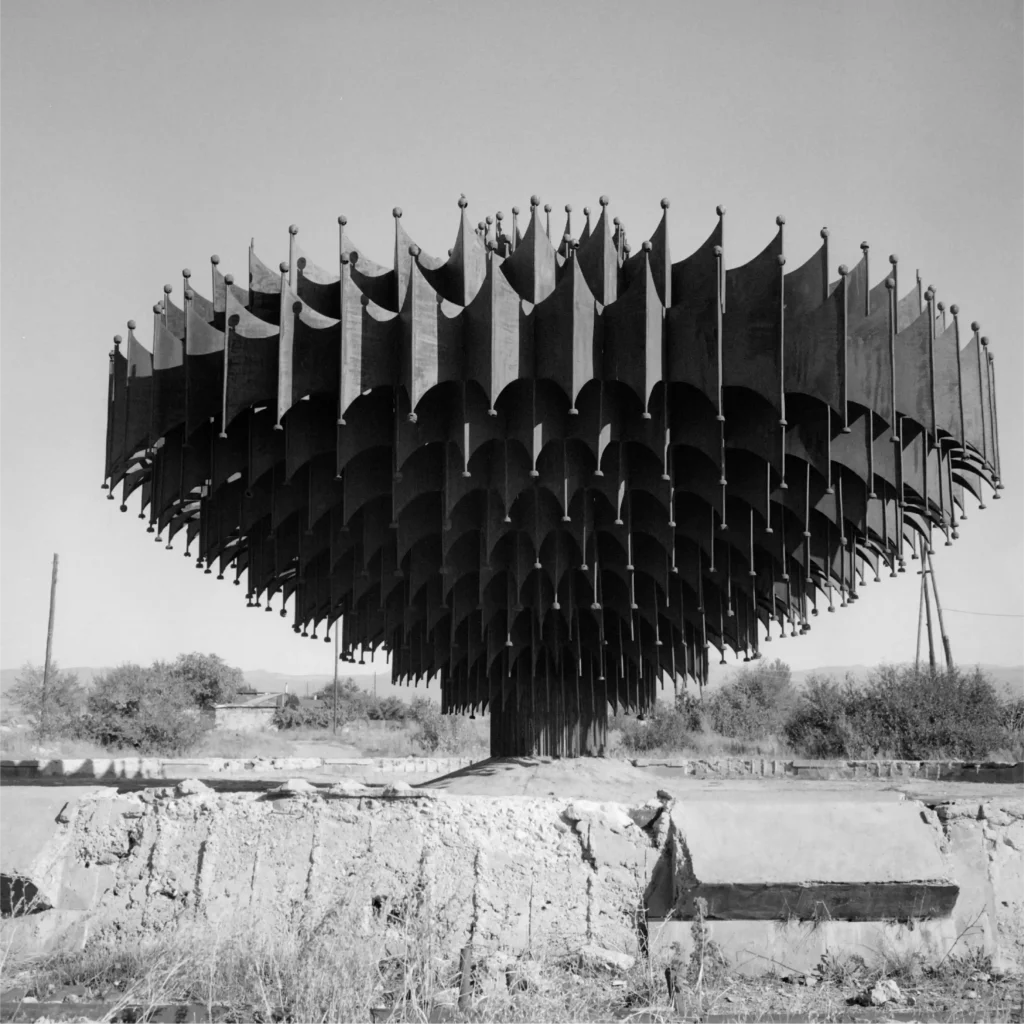
In Anita McKinna’s focus is, with the exception of a few examples of Brutalism in Britain, primarily the architecture of communist countries, which has been abandoned and vandalized after the fall of communism. Her selection includes everything from the bunkers of Albania, the strange residential complexes in Bulgaria, to a fountain shaped like an inverted pyramid in Armenia.
McKinna updates a romanticized approach, seeing the ruins of art and monuments of the past as beautiful. It has happened, for example, that the torso of a copy of an ancient sculpture was considered more beautiful than the original.
McKinna’s photographs address the abandonment and vandalism of the creations of a world in which we lived in the past century, with ruins that we see daily as a form of double brutalism.
Her question is: is the brutalism of the abandonment of Brutalist architecture deserved?
Shkëlzen Maliqi
EKSPOZITA ËSHTË PËRKRAHUR NGA MINISTRIA E KULTURËS, RINISË DHE SPORTIT, DHE NGA KOMUNA E PRISHTINËS