12 maj – 20 maj 2025
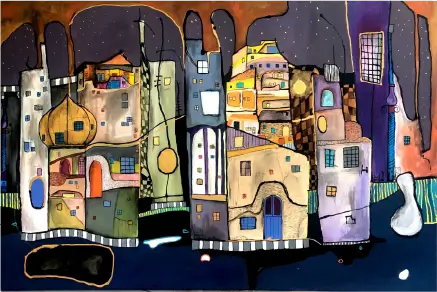
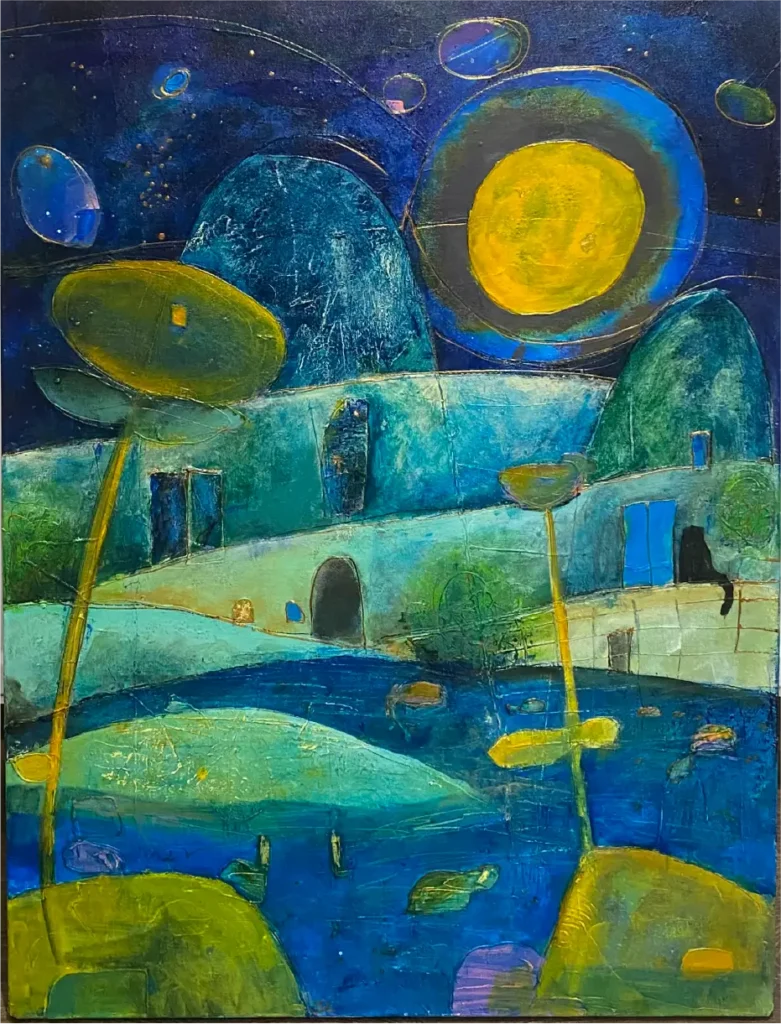
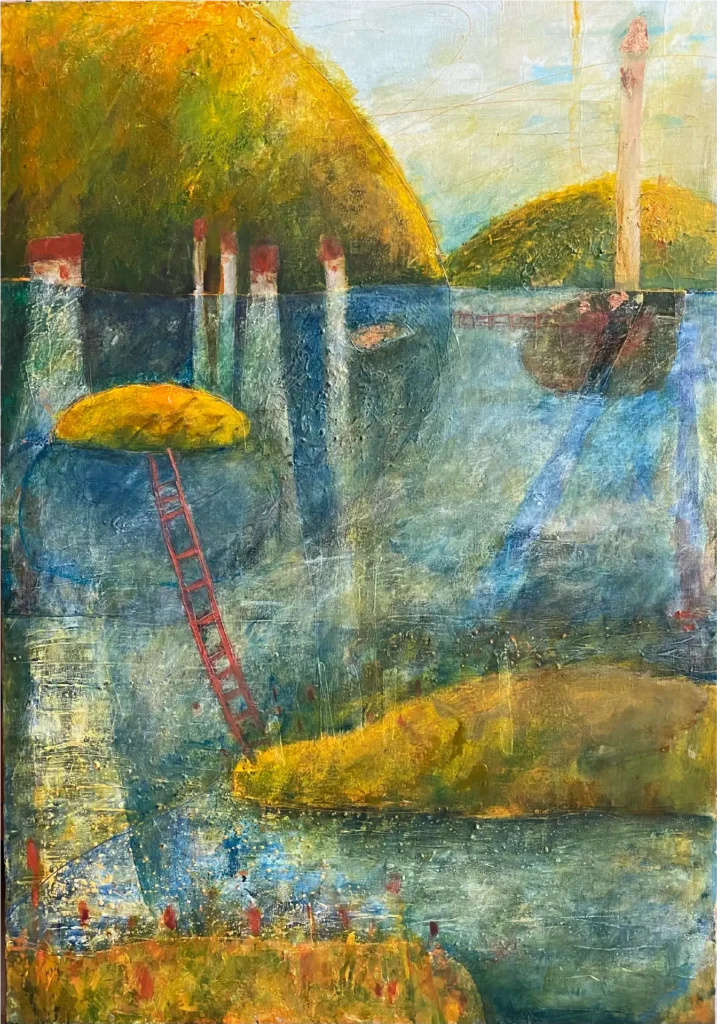
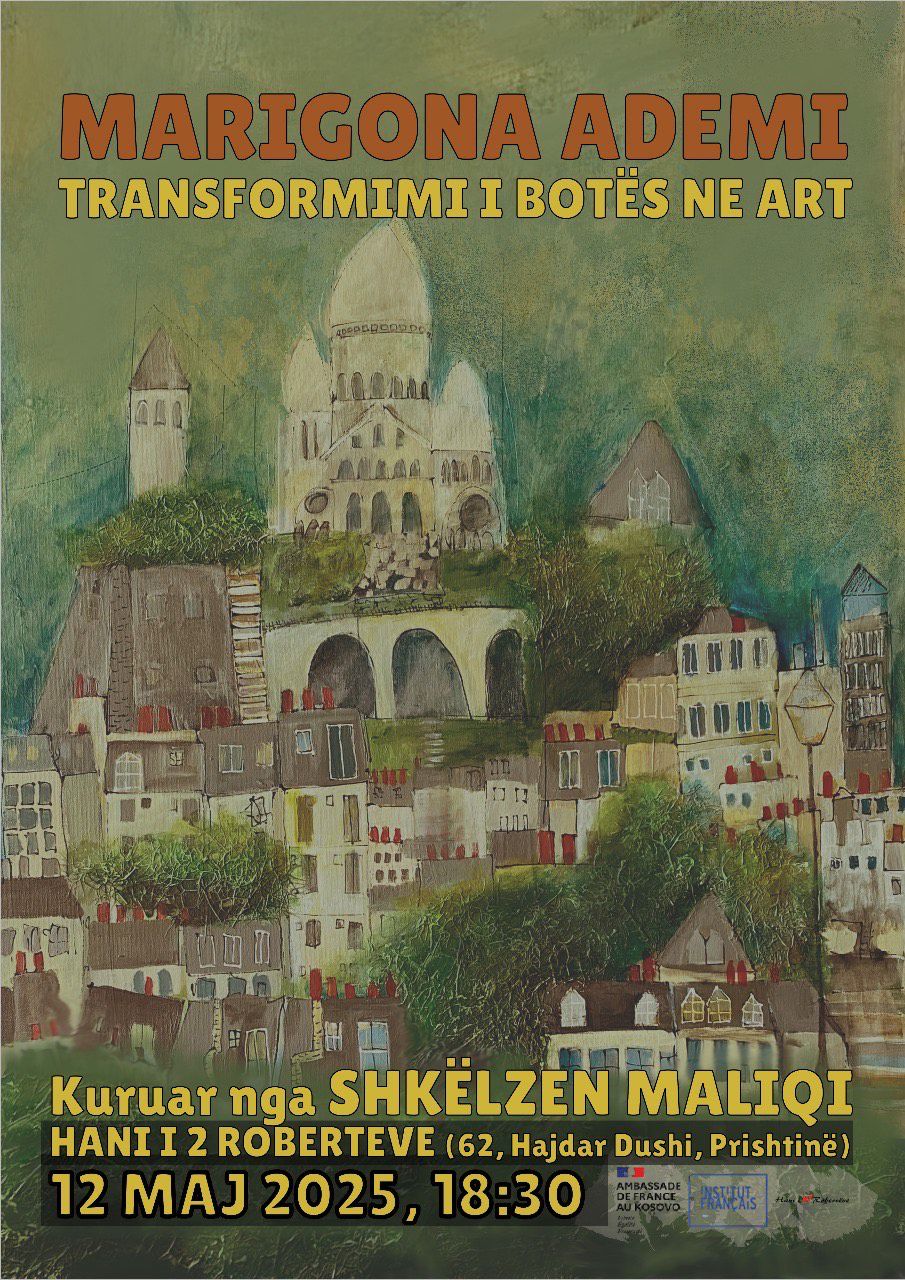
Within the framework of #FranceAlumni Within the framework of #FranceAlumni Day, the French Embassy and the French Institute in Kosovo organized the exhibition "Transformation du monde actuel" by Ms. Marigona Ademi, a former scholarship holder of the French and Kosovar governments. Marigona Ademi former scholarship holder of the French and Kosovo governments.
This World Alumni Day, which celebrates the international experience of students in France, is organized by the Campus France Agency, which leads and develops the France Alumni network since its creation in 2014.
The opening took place at the Hani i 2 Robertëve Gallery on May 12, 2025, starting at 6:30 PM.
…
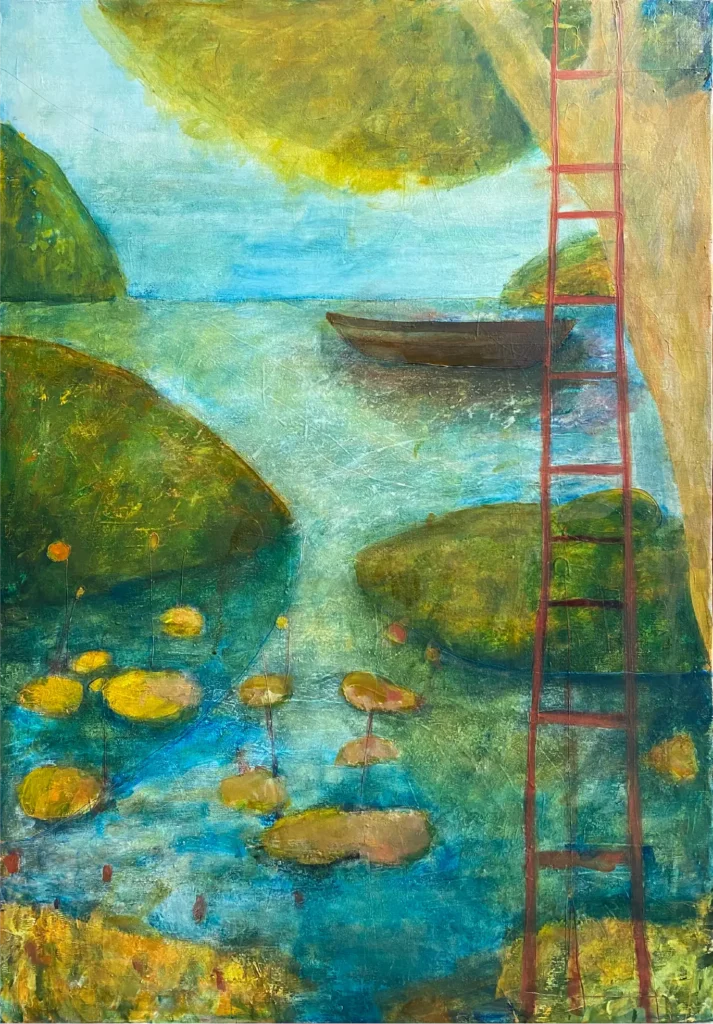
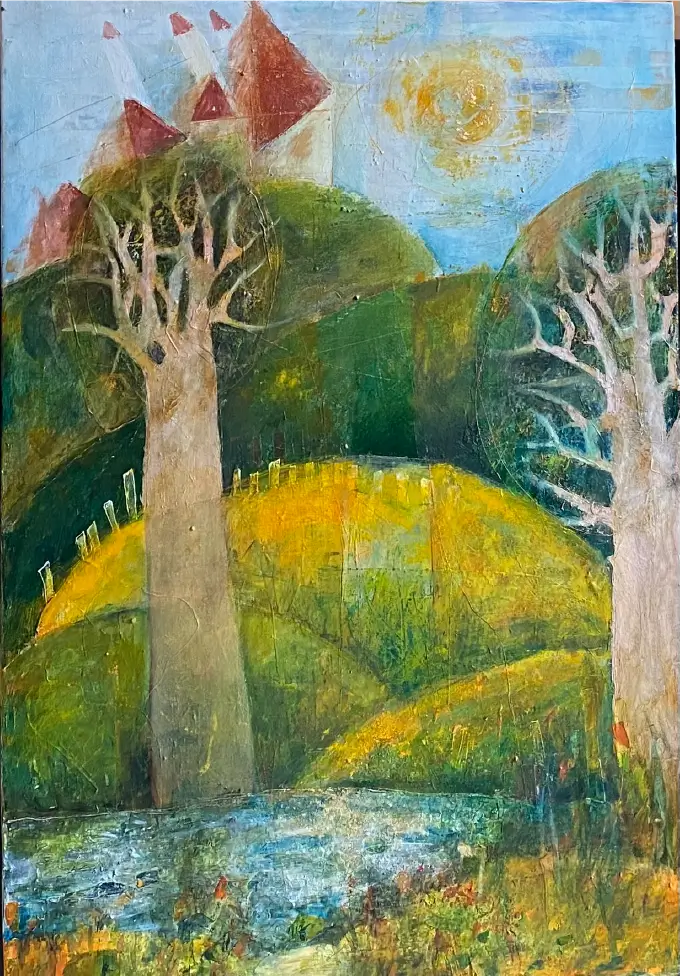
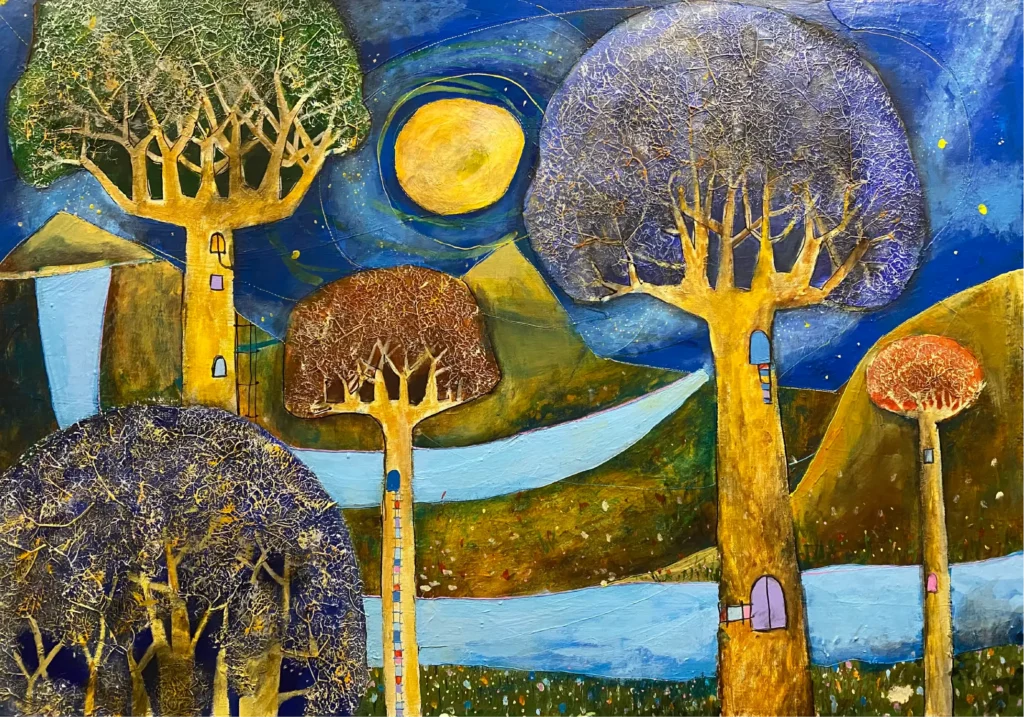
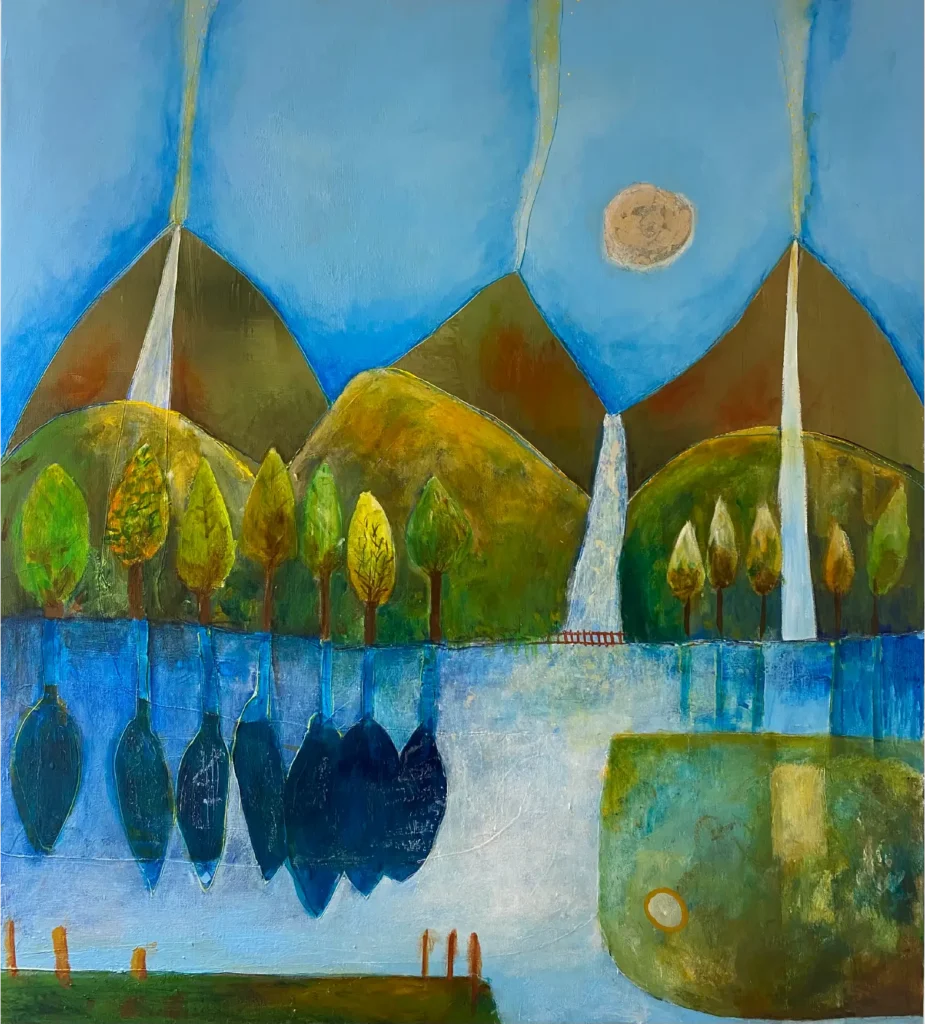
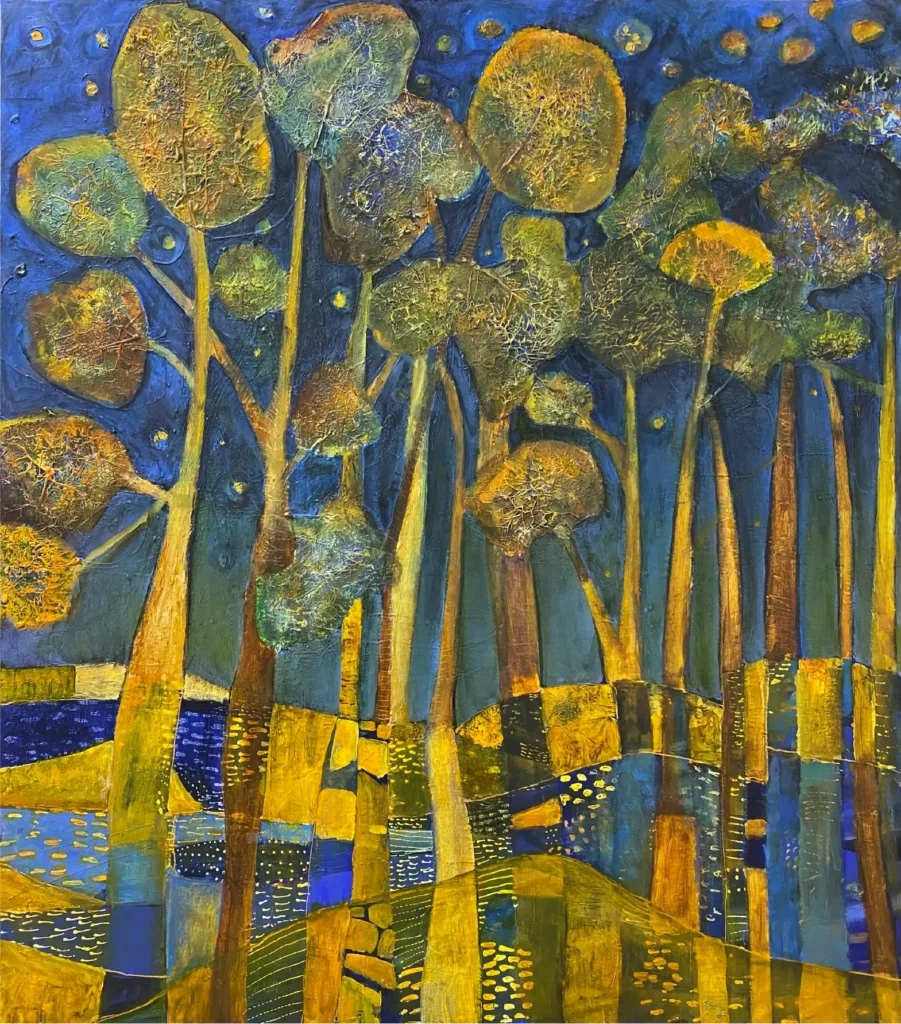
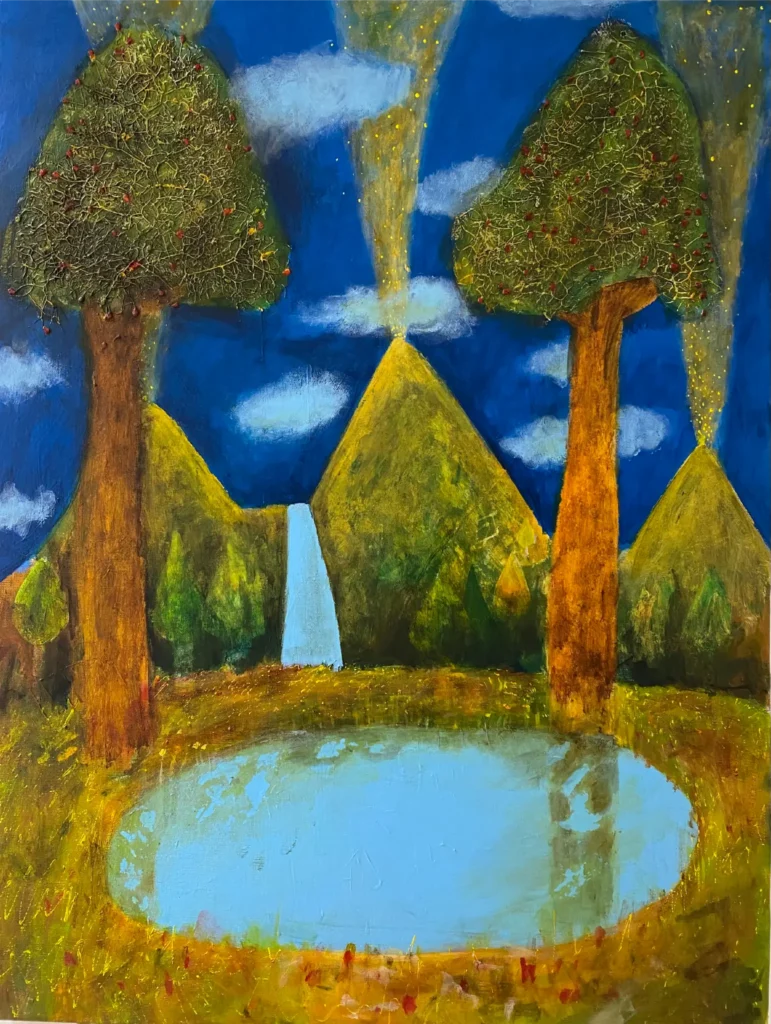
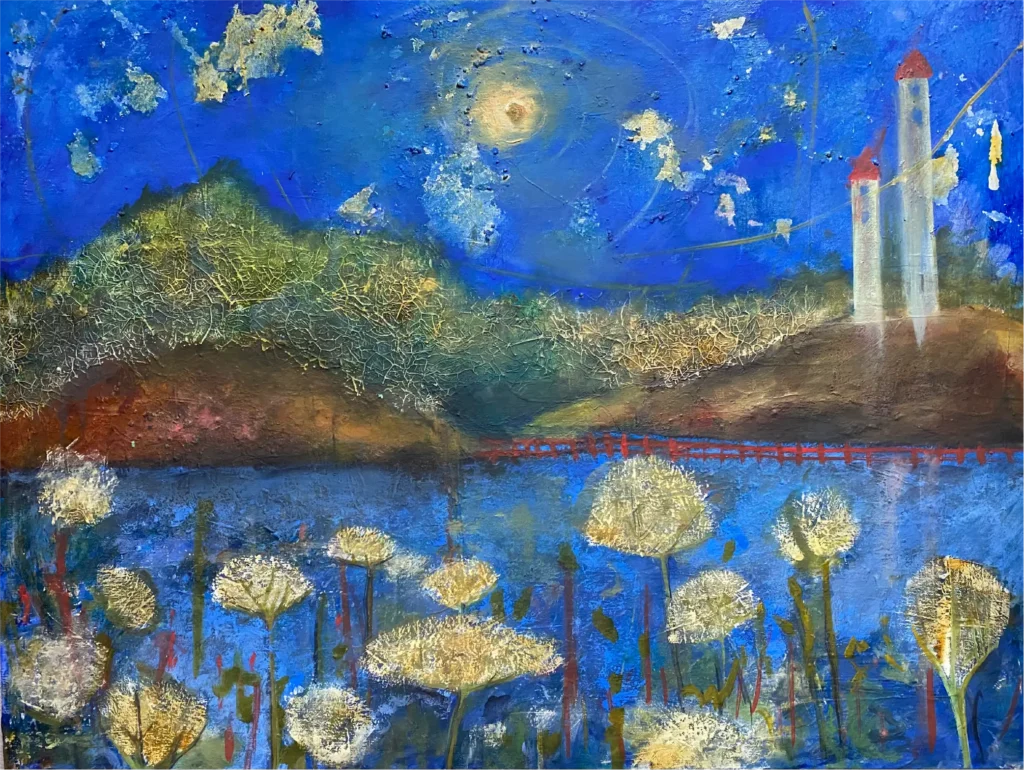
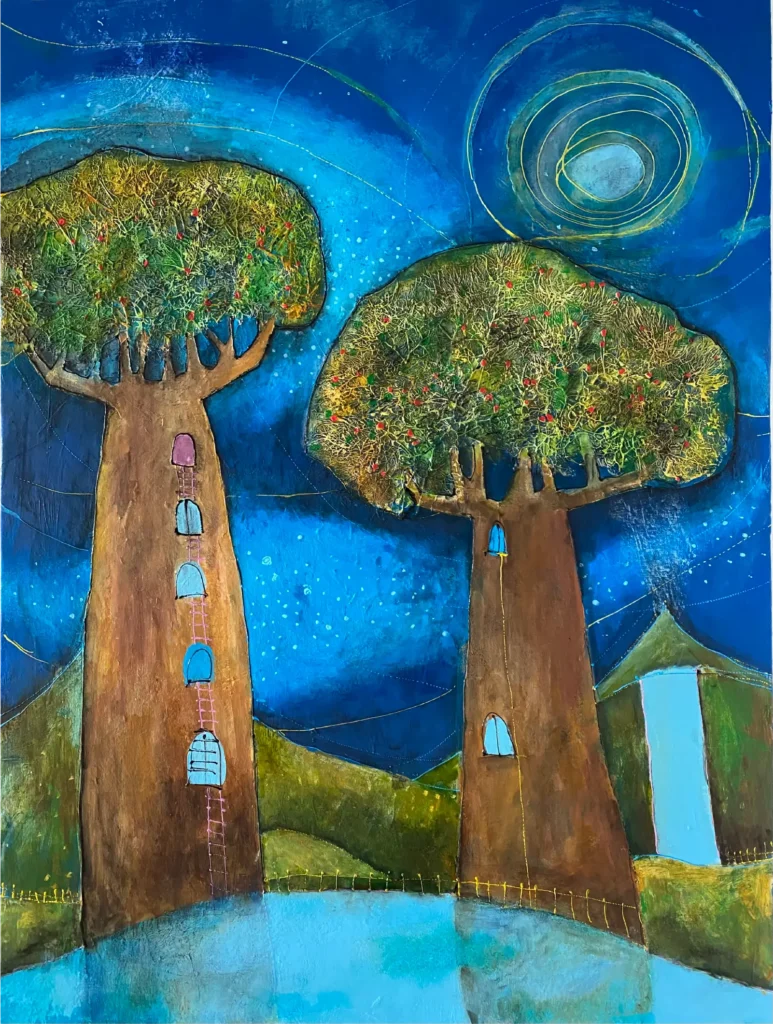
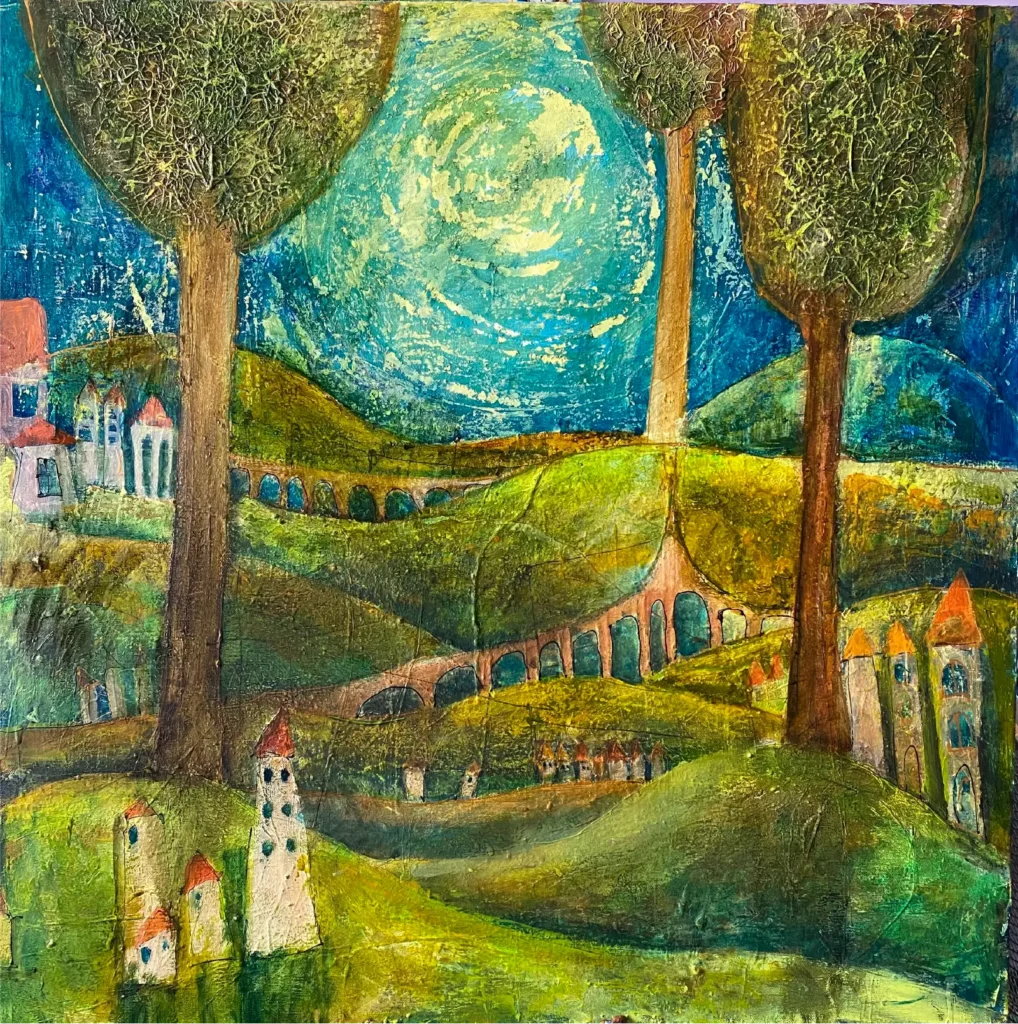
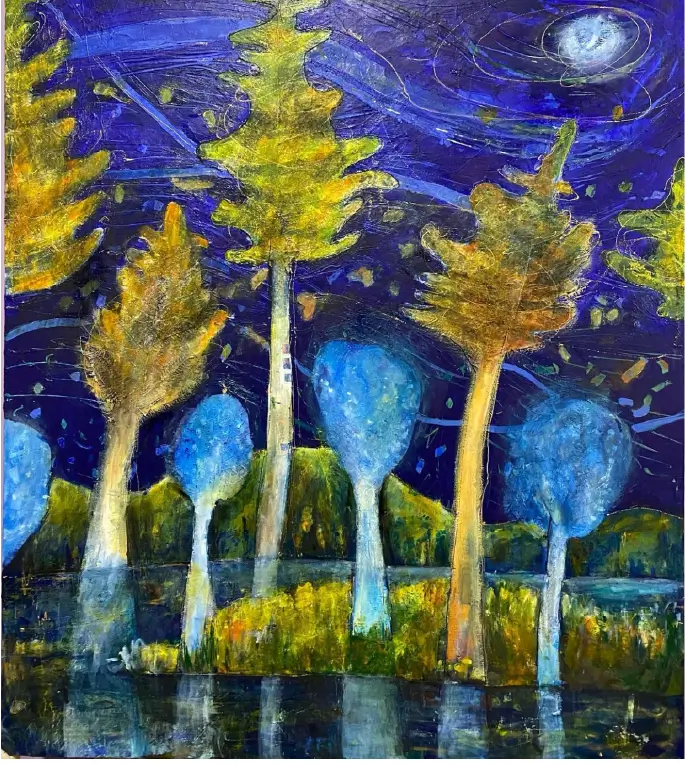
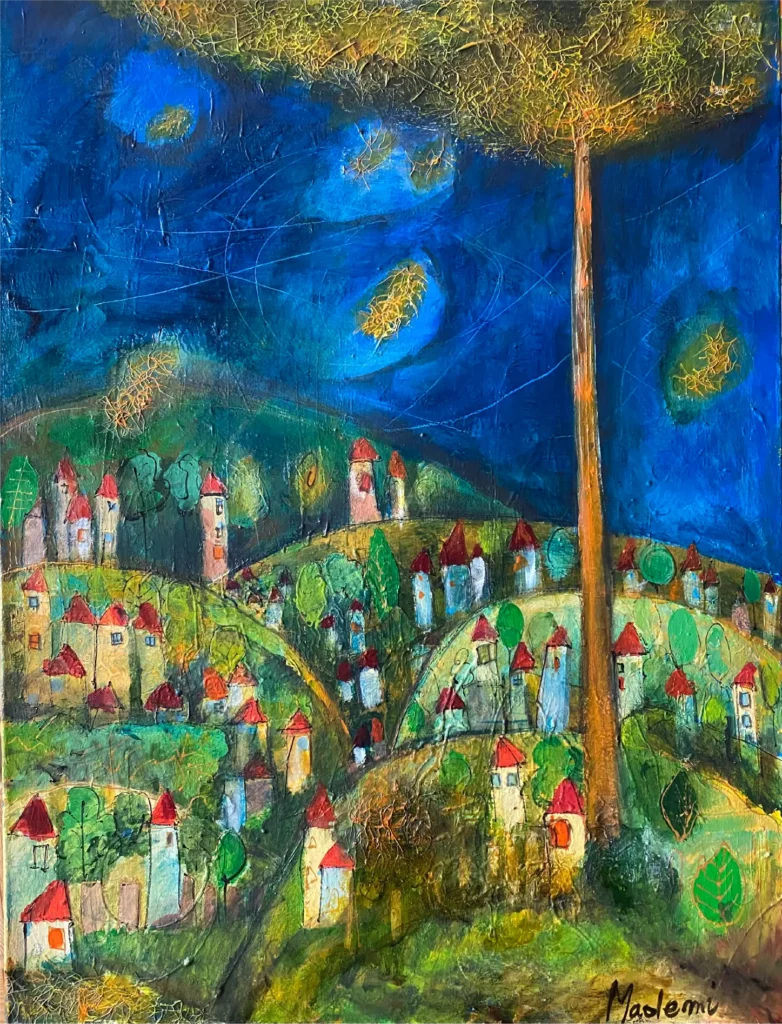
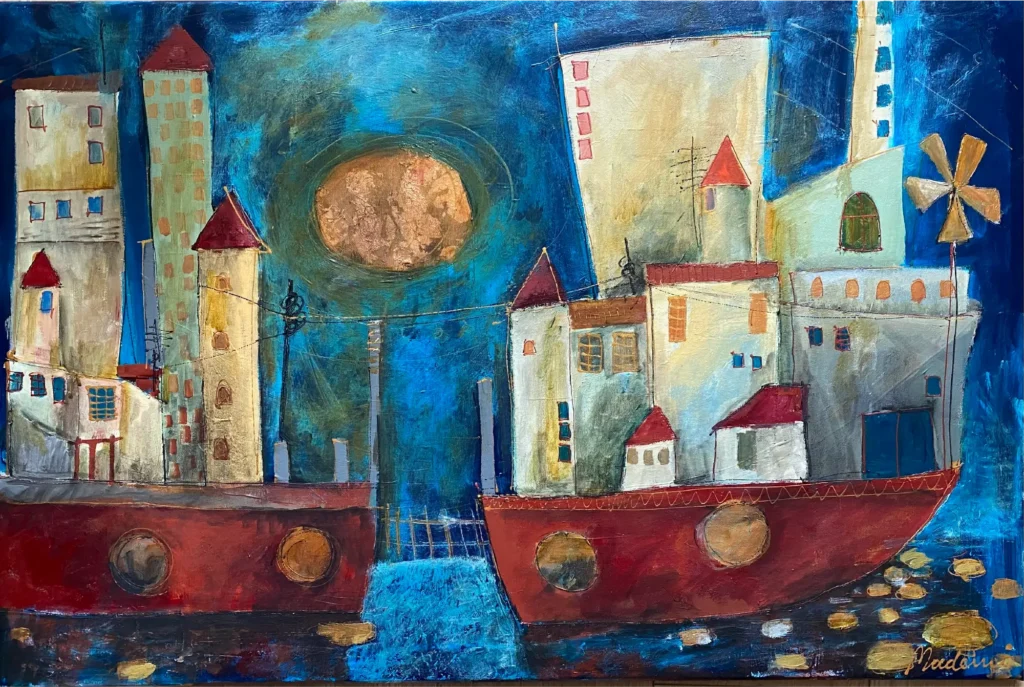
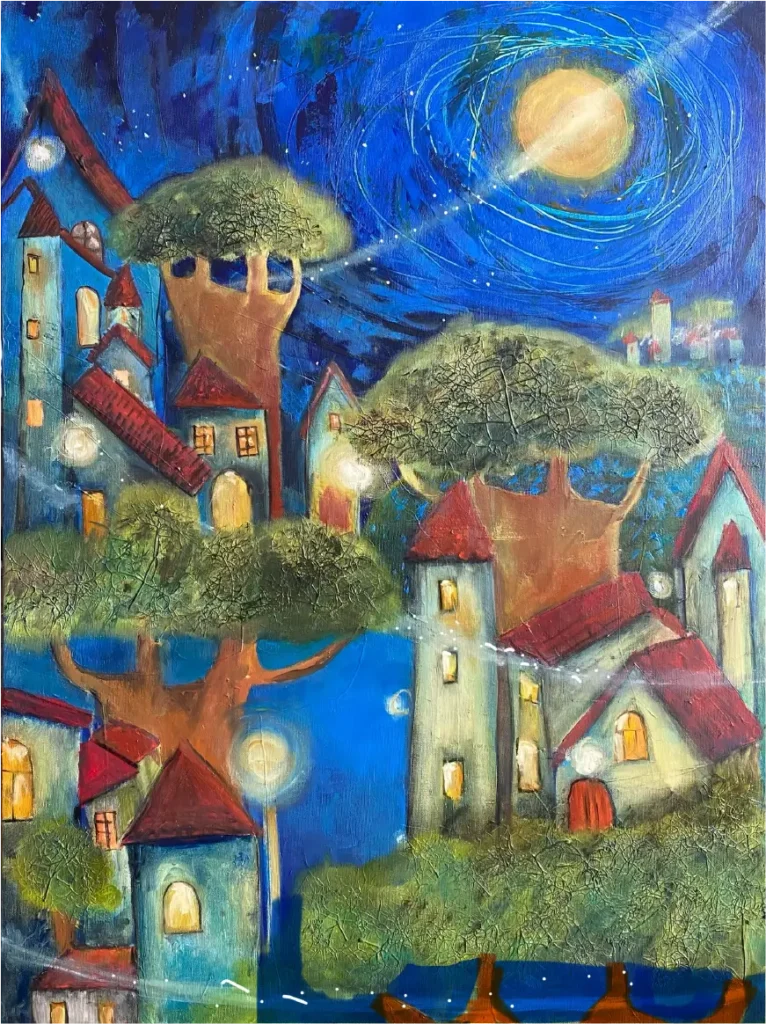
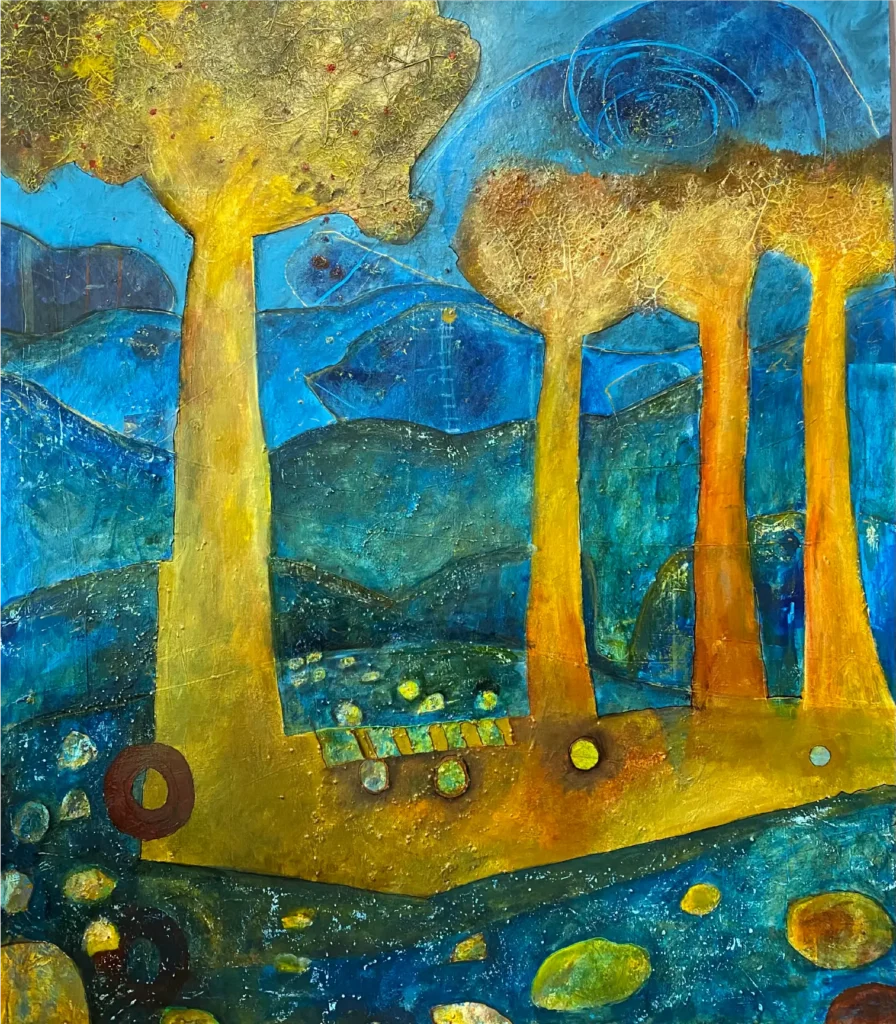
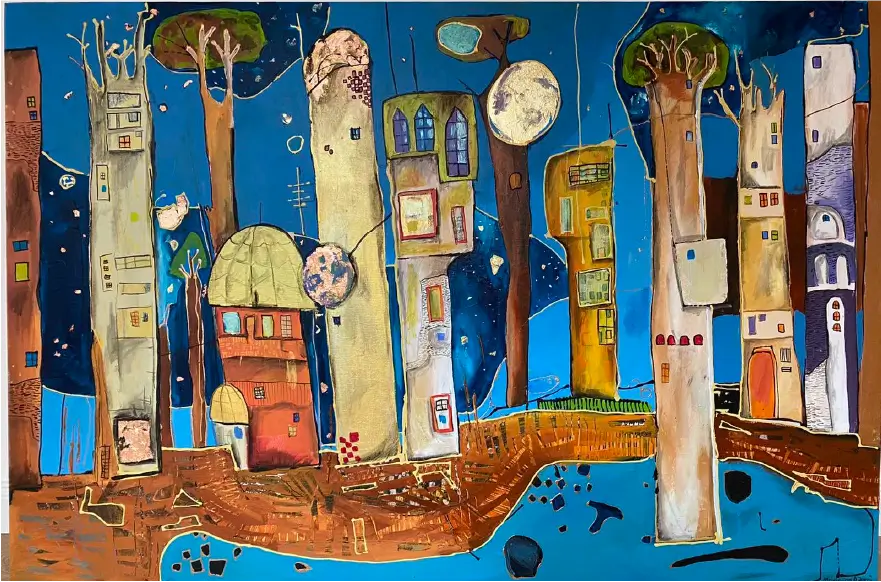
Artin e Marigona Ademit e shquan thjeshtësia e mënyrës me të cilën ajo e shfaq qëndrimin e saj të dëlirë ndaj botës. Në këtë ekspozitë ajo sjell dy cikle tematike, një me pejsazhe imagjinative me pemë të larta pranë lumit ose liqenit, diellin ose hanën në qiell – gjithëçka e stilizuar dhe përallore në dukje. Cikli tjetër përbëhet nga panoramat urbane, edhe ato në mrrekulli e harmonisë që, për çudi, autorja nuk ka prirje që t’i popullojë, nuk sheh njerëz në to. Pse? Mbase nuk mendohet se janë të tepërt, por trajtohen ndryshe, vetë imazhet e krijuara i dedikohen njerëzve, janë strofull dhe ambient për ëndërrat e tyre, propozime se si do të duhej të duket bota e transformuar me art. Janë imazhe që pëlqehen, të komponuara mirë, me ngjyra joshëse për syrin, rrezatojnë bukuri, adhurim dhe pozitivitet.
Marigona Ademi cultivates a style of painting rooted in magical realism, romanticized without drama. Although she titles her series of paintings Urban Entanglements, the term “urban entanglement” is not meant to evoke the hardship or bleakness of contemporary city life, which in the Baudelairean spirit might be addressed as the spleen of Paris or The Flowers of Evil, expressions of anxiety stemming from the social inequalities of that era. Marigona does the opposite—she addresses the beauty and goodness of life. The notion of “entanglement” here refers instead to the multilayered colors and forms that narrate the visual complexity of urbanity. This is also evident in her landscapes, where nature appears arranged and beautifully “groomed”: trees and buildings with tall arches near water, the sun or the moon in the sky… all laid out in an urban plan with a distinctive aesthetic, an excursion into pre-modern visual romanticism. ..., cilësimi “ngatërresë urbane” nuk mendohet si e keqja dhe vështirësia e jetesës në qytetet bashkëkohore që, si në frymën bodleriane, do të adresoheshin si spleen Parisi dhe Lule të së keqës, që kanë qenë shprehje ankthi për shkak të pabarazive sociale të asaj kohe. Marigona e bën të kundërtën, e adreson të mirën dhe të bukurën e jetës, ndërkaq që nocioni i ngatërresës i referohet ngjyrave dhe formava shumështresore që rrëfejnë kompleksitetin pamor të urbanitetit. Kjo vërehet edhe në pejsazhet, ku natyra paraqitet e rregulluar dhe “krehur” bukur: pemët dhe godinat me harqe të larta, pranë ujit, dielli apo hana në qiell… gjithçka me një planimetri urbane të shijes të veçantë, ekskurs në romantikën vizuale paramoderne.
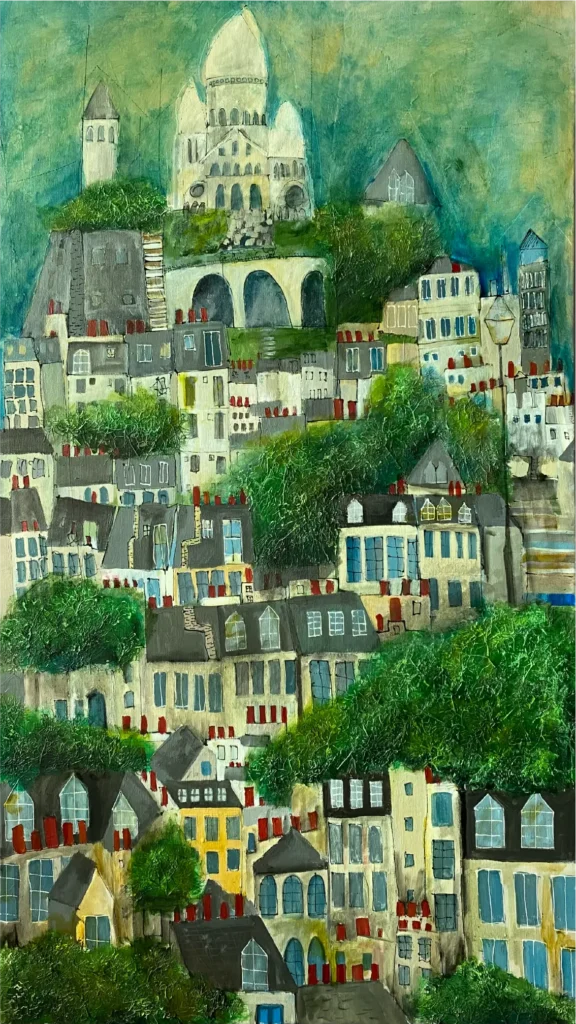
Te vizioni i saj i Parizit ka një si paradoks, qyteti nuk paraqitet i shtrirë horizontalisht në hapësirë, por si strukturë vertikale shtresa-shtresa, ku ndërmjet godinave shumëkatëshe vendosen zonat me gjelbërim, kështu që Parisi e ka pamjen e qytetit kaskadë, majat e të cilës prekin qiellin. Është interesant se piktorja nuk e ka shfrytëzuar asnjë shenjë të njohur identitare të Parizit, e parapëqen që t’i gjasojë kopshteve të Semiramidës të Babilonit të lashtë, edhe një tribut i autores për ndjesi romantike.
The question that arises regarding this approach is whether this kind of artistic apotheosis leads toward escapism, a flight from the harsh reality that today threatens the very existence of humanity?
It is true that art does not have the power on its own to transform or save the world, but we should not underestimate the power of its appeal, like that of Marigona Ademi, to keep our eyes open to the wonder of the world. In this regard, she is by no means naive, but firmly on the right side of an unconditional belief in art.
Shkëlzen Maliqi
May 2025