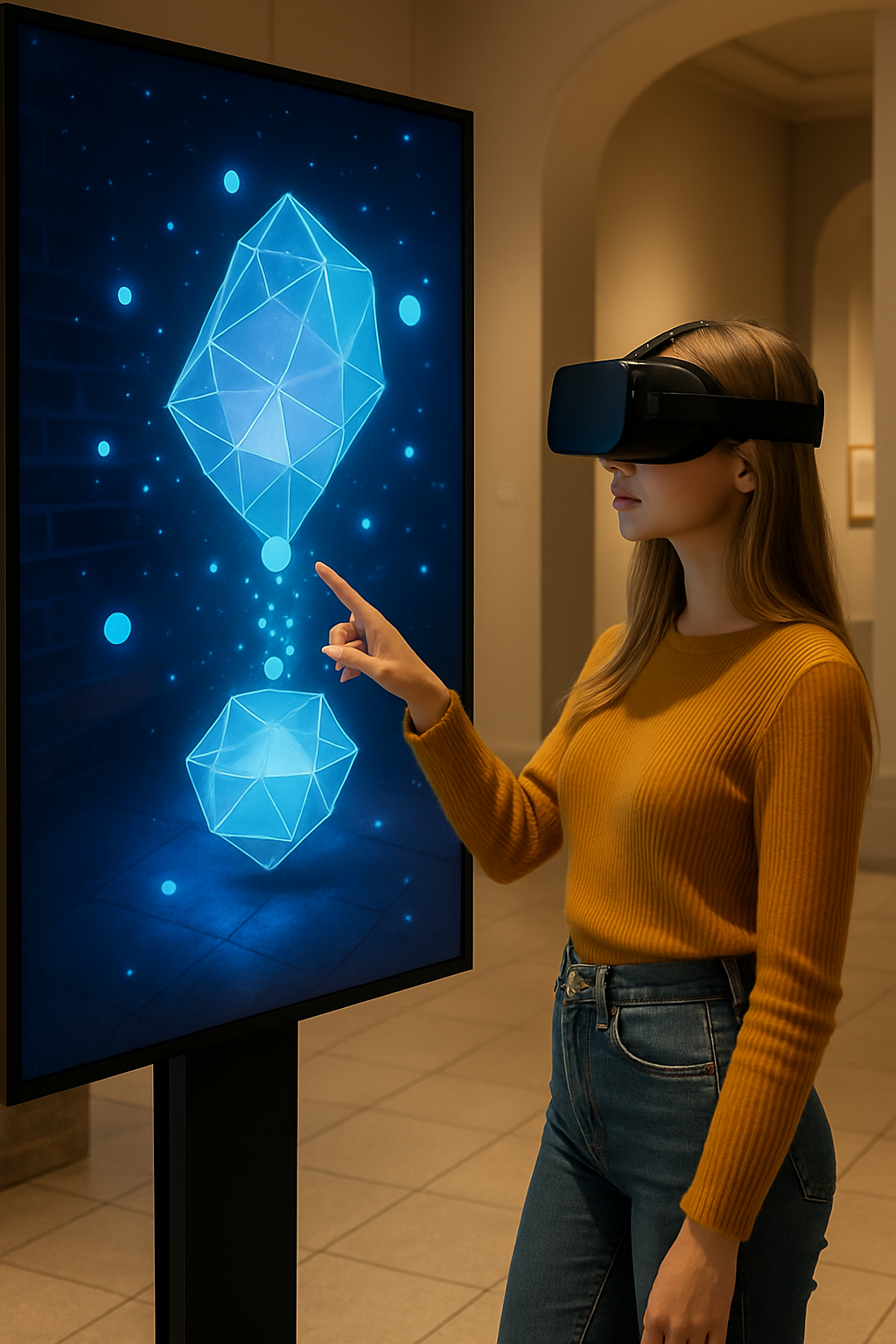
In recent decades, museums have transformed from spaces of static display into environments of experience and dialogue. This transformation is closely linked to the development of interactive digital art, which shifts the focus from the object to the experience and from distance to participation. In this context, the visitor is no longer merely an “observer,” but becomes a co-creator of the meaning and narrative of the artwork. This shift is not merely technological; it fundamentally affects visual culture, the way we experience art, and the role of museum institutions in society.
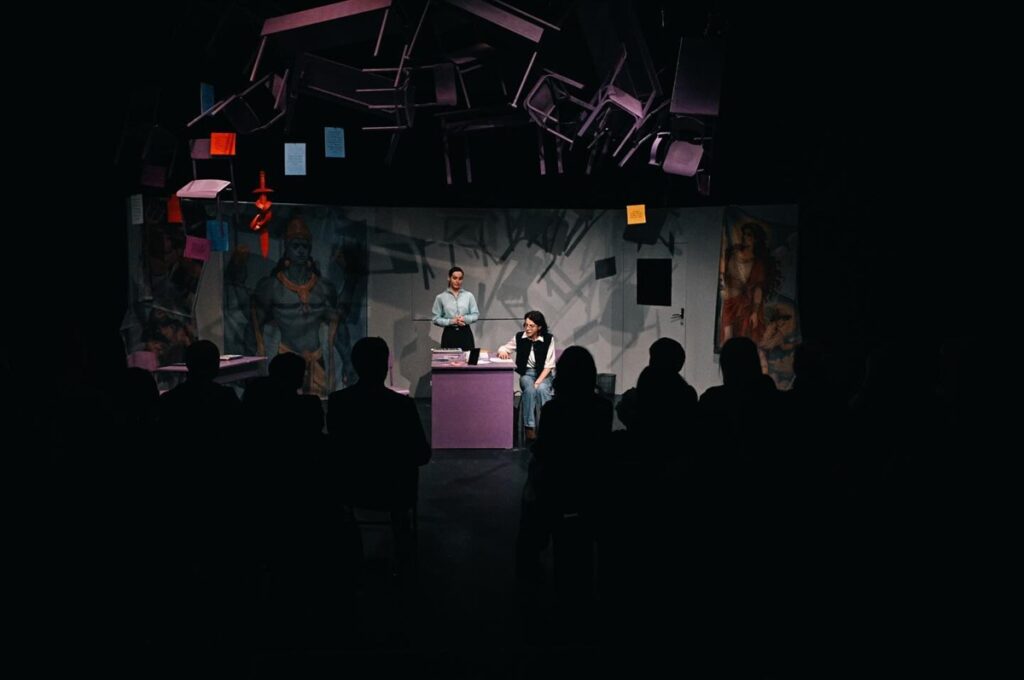
From Viewer to Co-creator
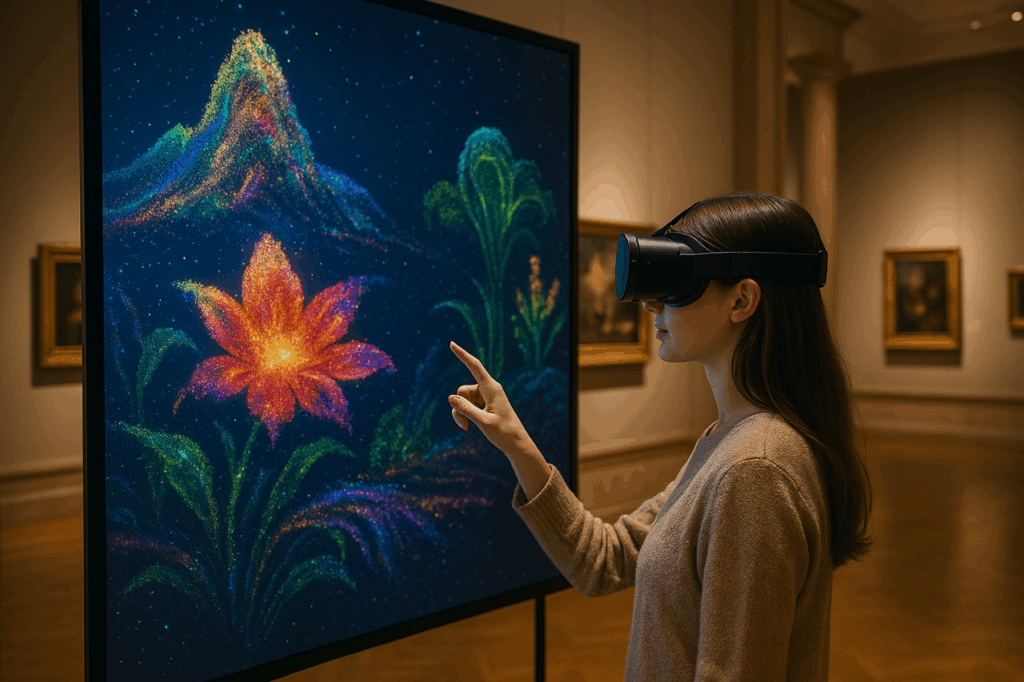
Photo: Penesta Dika, generated with AI, 2025.
Interactive digital art creates a dynamic relationship between the visitor and the artwork. Interaction - whether through movement, voice, touch, or digital presence - gives the visitor the ability to influence the form, sound, or flow of the installation. Instead of receiving meaning as something already defined, the visitor generates new meaning through action. This stimulates curiosity, critical thinking, and emotional engagement, making the visitor a part of the artwork’s story.
From a museum perspective, this model also reshapes public expectations. Today, visitors seek experiences that invite them to participate, not merely observe. In many contemporary projects, interactivity is not used as a special effect, but as a method for creating new relationships between people and information, between artifacts and narratives, and between the museum and the community.
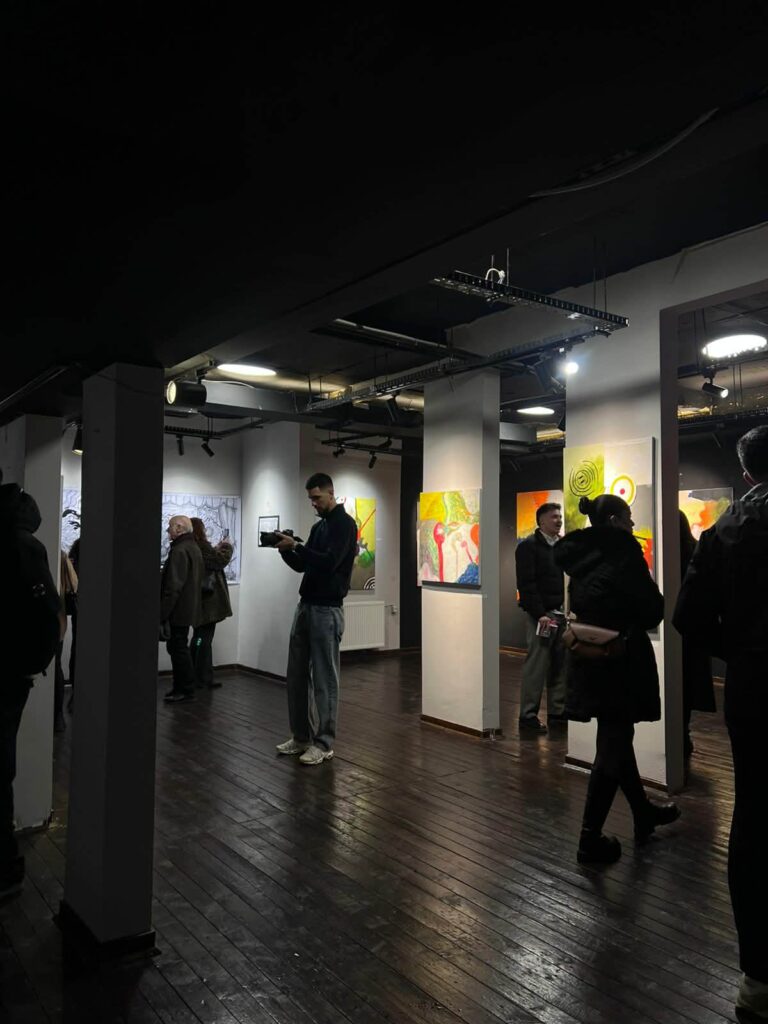
Examples from my practice: participation, interaction, and responsive technologies
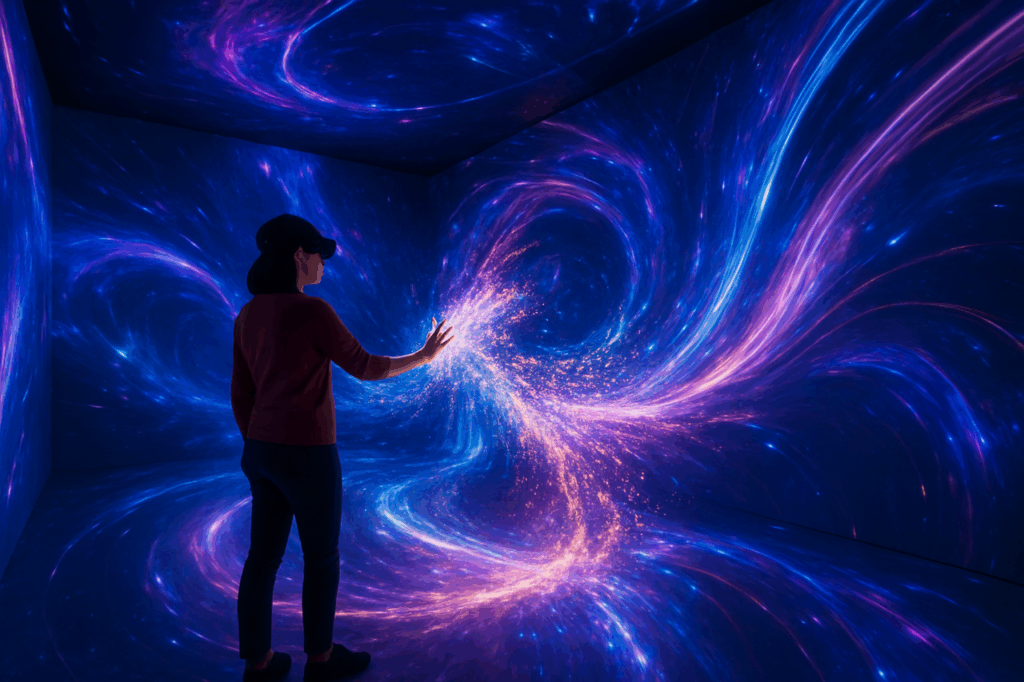
Photo: Penesta Dika, generated with AI, 2025.
The projects I have worked on - whether in museums, scientific institutions, or international festivals - have always placed the transformative role of the audience at the center. In these artistic and scientific experiments, interactivity has served as a tool for making knowledge tangible and connected to personal experience.
In installations that integrate responsive technologies, for example, visitors can move objects or influence the environment of the artwork through remote commands. This type of interaction creates a new form of presence - the visitor is physically in the museum but acts within a different digital or mechanical space. The sense of control, combined with wonder and responsibility for what unfolds in the artistic scene, creates a unique experience: art that exists between the real and the virtual.
Another example has been installations where body movements generate visual elements or sounds. These works do not exist without the audience, they are activated by the presence, intensity, and rhythm of the visitors. In this way, the museum becomes a space of collaboration where each person brings a new variation to the artwork.
Additionally, the projects I have carried out for children show that interactivity is also an educational tool: when a child touches, moves, shifts, or creates on the screen, they learn through their body and imagination, connecting art with personal discovery.
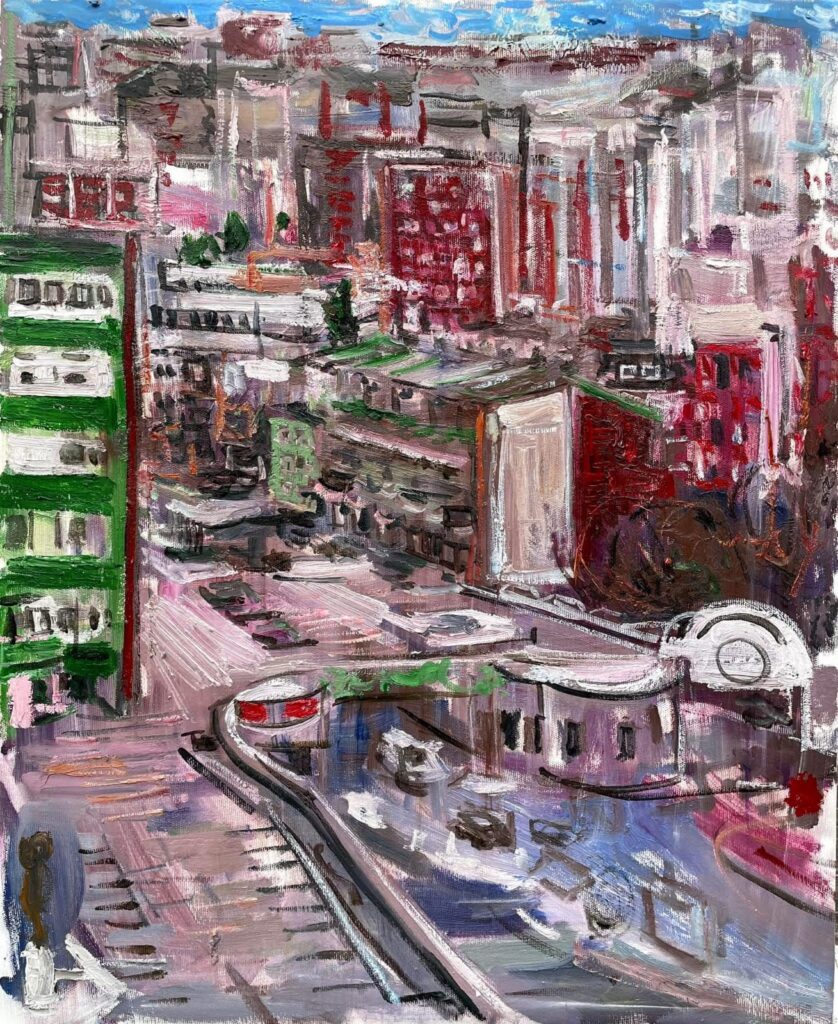
The Challenge of Preserving Digital Art
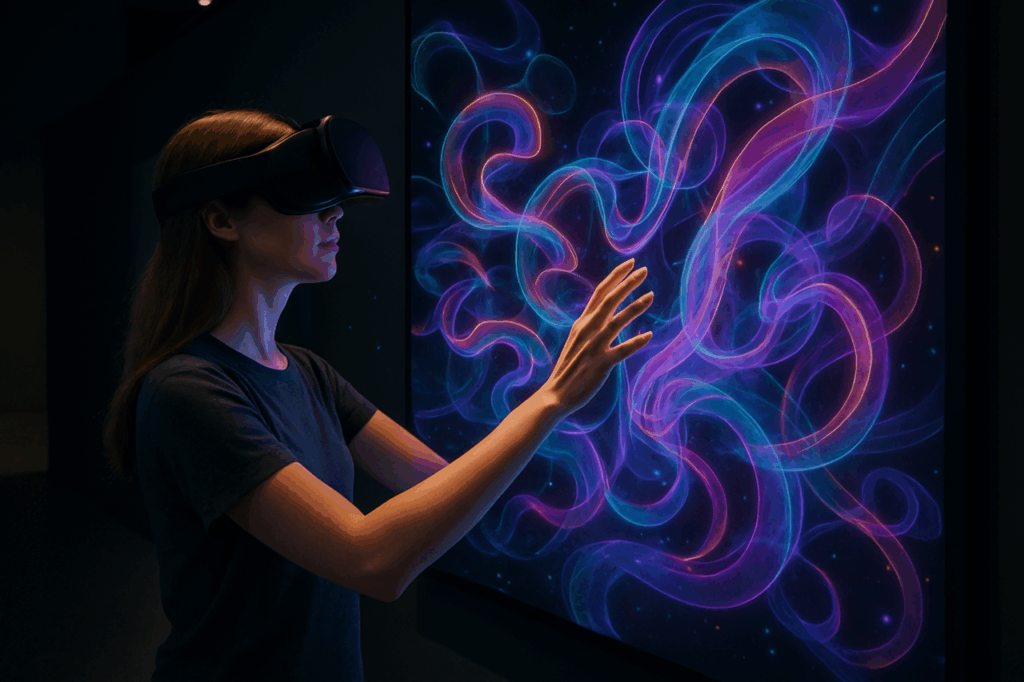
Foto: Penesta Dika, generated with AI, 2025.
Despite its great potential, interactive art presents one of the most complex challenges for museum institutions: long-term preservation. The artwork is not just a physical object, but a process that depends on software, sensors, devices, and operating systems that change rapidly. An installation from 2010, for example, may no longer function on today’s equipment, or its code may require updates to run on new platforms.
For this reason, the preservation of digital art cannot be mere archiving; it requires new strategies such as:
• accurate documentation of the interaction processes,
• migration of software to new generations of technology,
• simulation of the interaction when the physical devices can no longer be preserved,
• collaboration between artists and museums to update or reinterpret the works.
This is why many international institutions now treat interactive works as living ecosystems that require continuous maintenance and curation. In this context, the curator and the technologist work together to preserve not only the form but also the experience that the artwork produces.
Conclusion
Interactive digital art has fundamentally changed the way we experience the museum. It shifts the focus from the object to interaction, from distance to participation, and from observation to action. Today, the visitor is not merely a consumer of art - they are part of it. This makes the museum a living space, where new meaning is created every day and technology serves as a bridge between art, science, and society.
However, this transformation requires new responsibilities: technological preservation, process documentation, and interdisciplinary collaboration. Only in this way can museums ensure that the interactive experience remains sustainable, accessible, and meaningful for future generations.

Dr. Penesta Dika
Lecturer at two universities in Austria and a specialist in media art and curation. She has many years of experience in interdisciplinary projects connecting art, science, and technology.

The blog was published with the financial support of the European Union as part of the project “The development of art criticism”. Its contents are the sole responsibility of Hani i 2 Robertëve and do not necessarily reflect the views of the European Union.