"I drank black Fernet, listened to the murmur of the air conditioning and thought back to the past days. I was completely exhausted. I wanted to leave. Albania is exhaustion. Rest does not exist because you are never alone. Even in the air-conditioned, silent, empty hotel, solitude is only a delusion because one's thoughts are occupied with it, with Albania. Its guys, its stench, its ancientness, its beauty, its existence, its madness. In Bajram Curri or in Kukes, you can't just say to yourself, "Now I'm going to think about something else, my childhood for example." It doesn't work. When you get to Albania, you can't think about anything else."
When I read this sentence by Polish writer Andrzej Stasiuk, I stopped my preparations for a trip to Japan and instead decided to travel to Albania. I don't know why. Maybe because I didn't want to think about something else, and certainly not about my childhood. I started learning Albanian and began dreaming in this strange language, with my very limited vocabulary. Night after night, I counted from one to ten and searched through words I didn't understand. One night, I was dreaming that all the streets in Zurich now had Albanian names, which made me feel like I finally knew my hometown way better. Albania was in my head. Grotesque and a bit romantic, that's how it started.
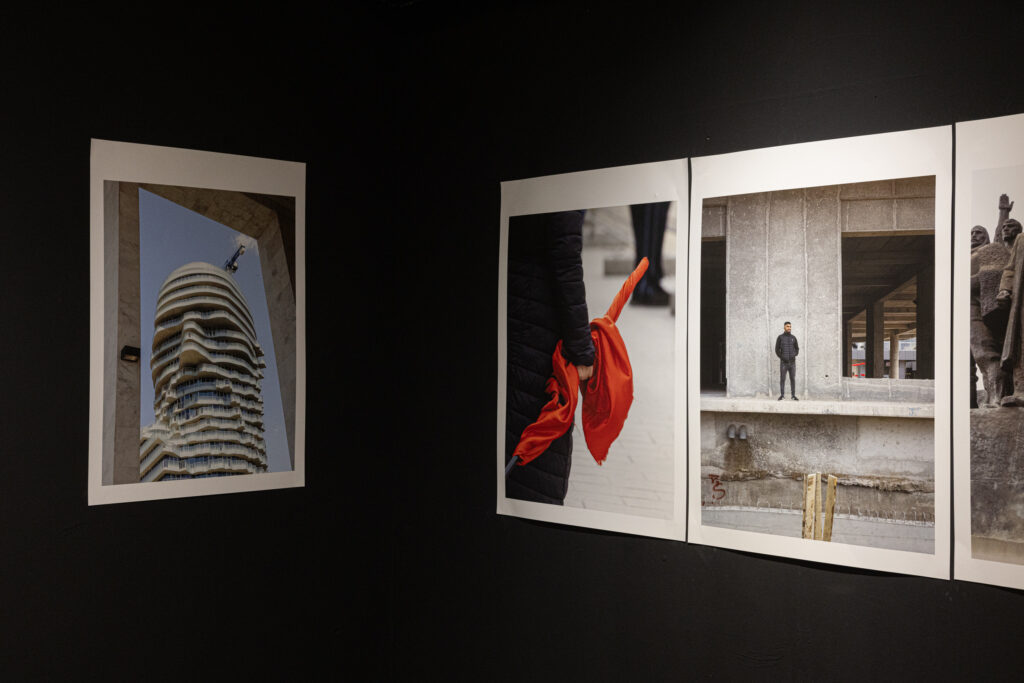
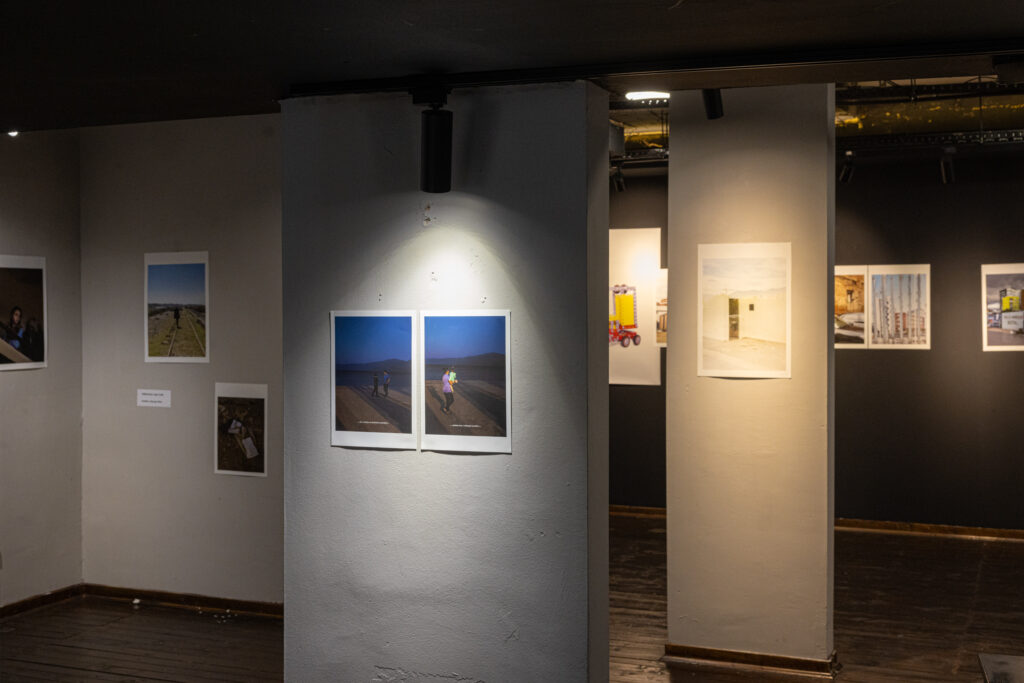
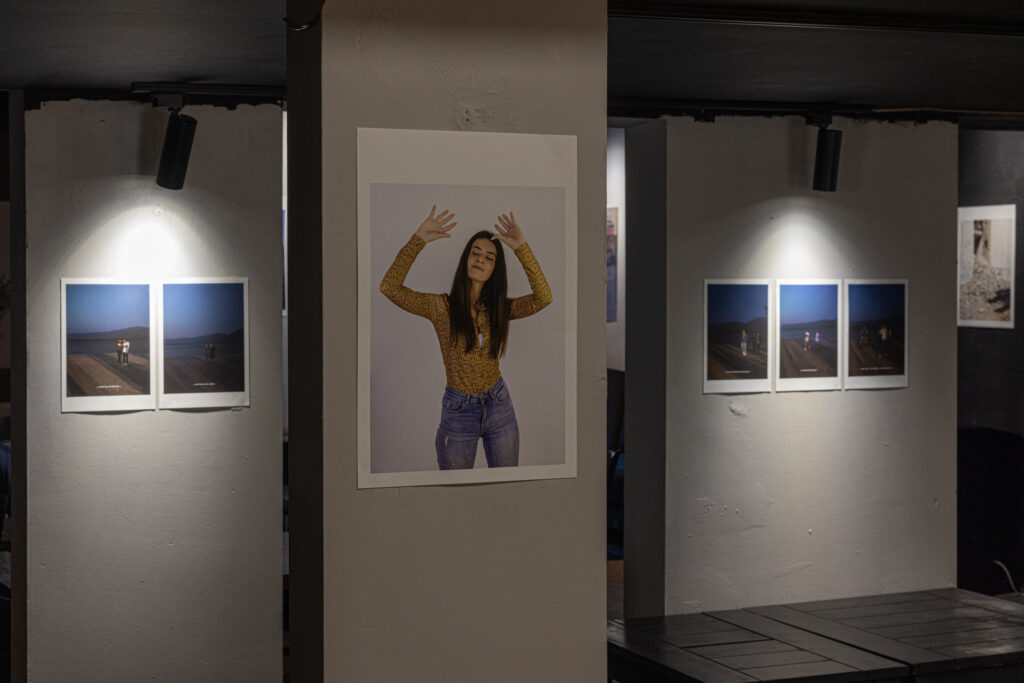
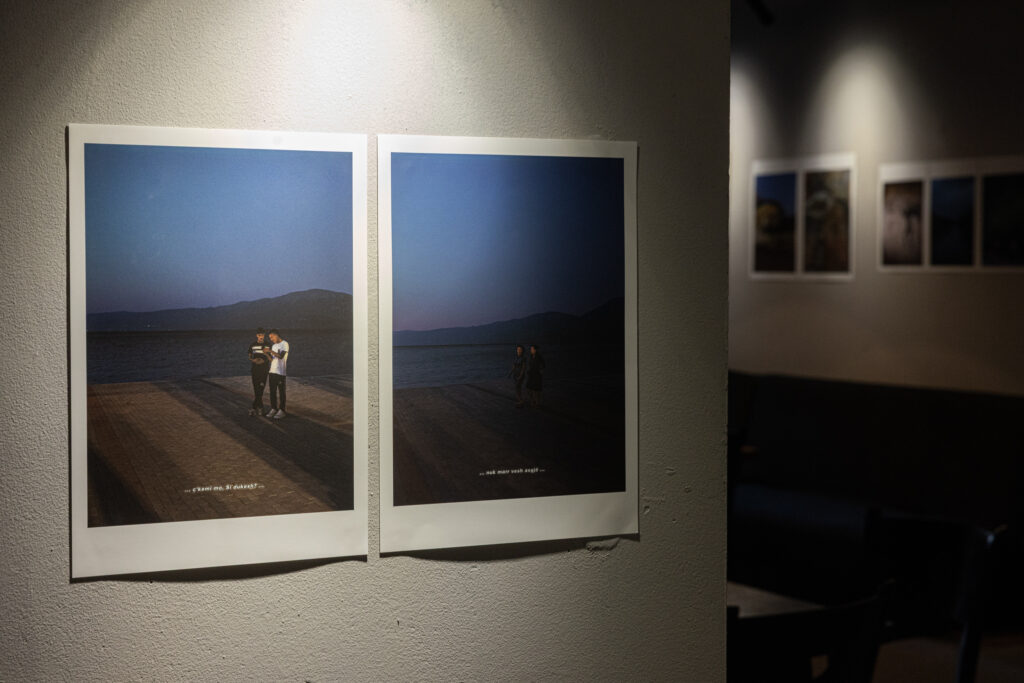
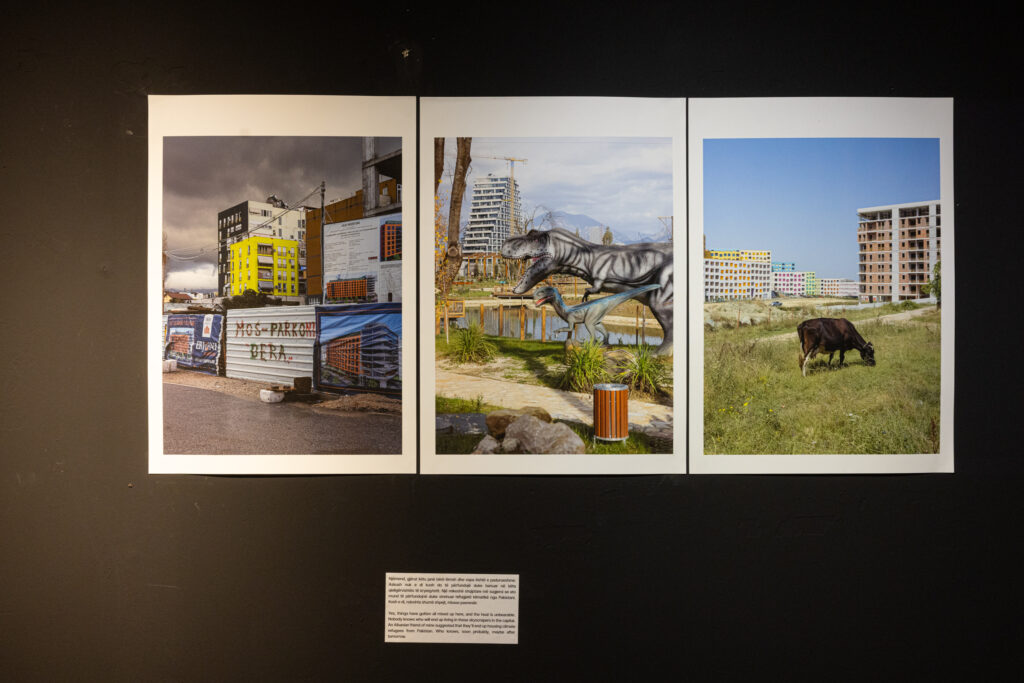
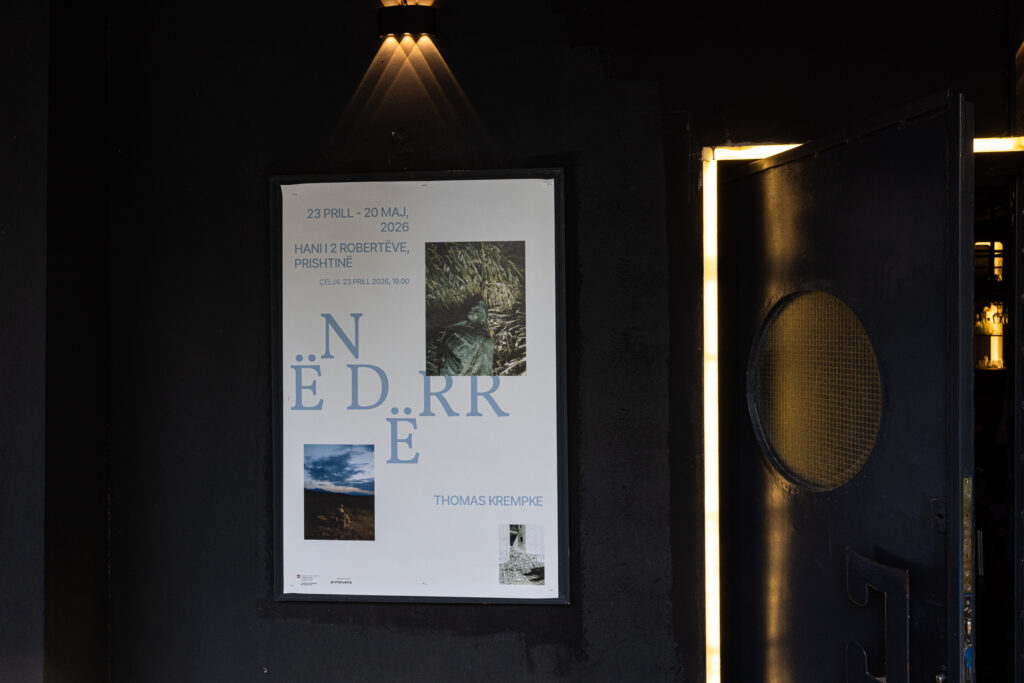
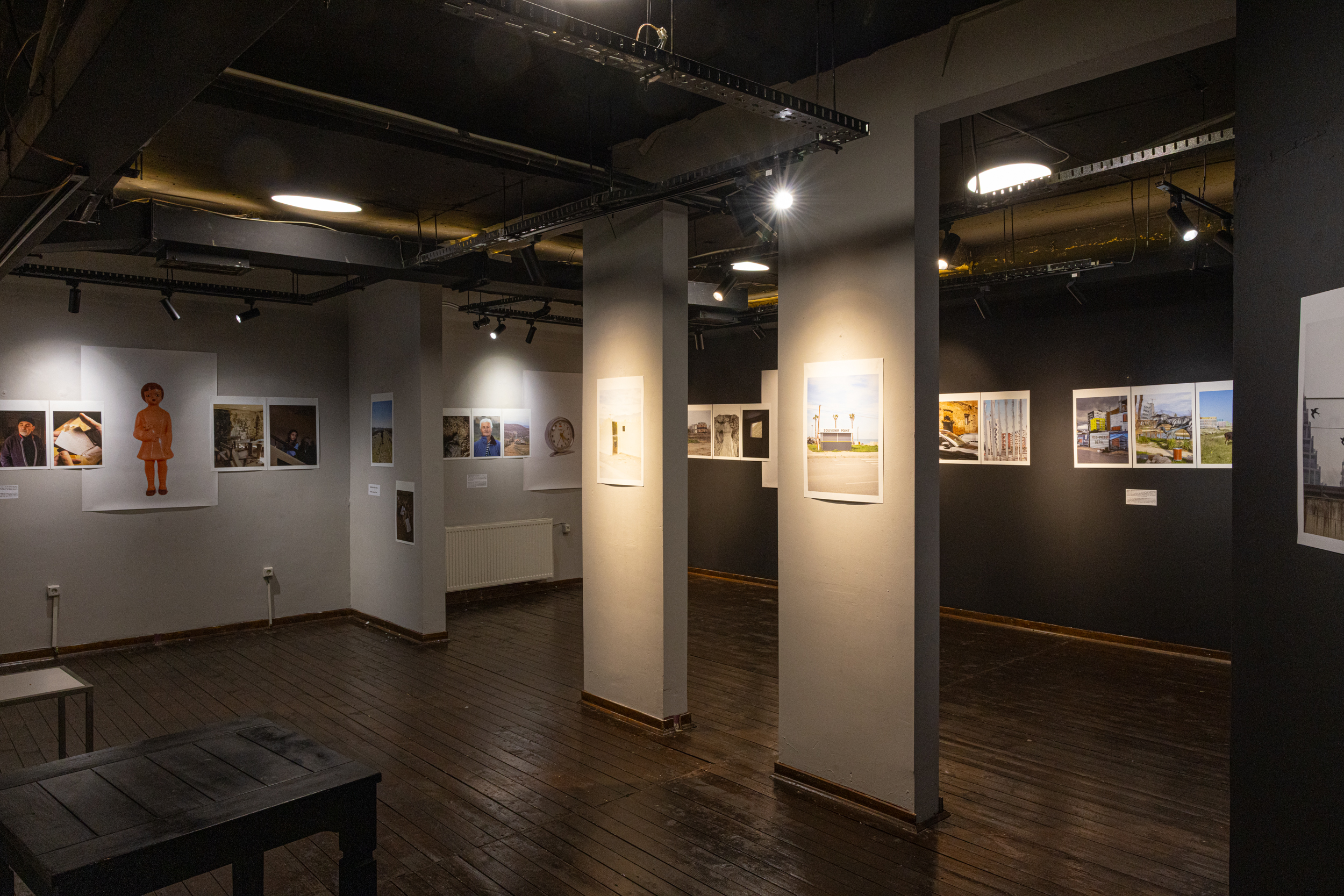
But the romanticism soon vanished, evaporating on contact with reality. However, the title for my photographic project remained, one that had occurred to me early on: Ëndërr, the Albanian word for dream. It appeared in novels, poems, and the lyrics of Albanian songs. But also otherwise: as a dream of finding fortune and happiness as an emigrant abroad, or at least in Tirana, the overcrowded capital. And in the opposite direction: the dream of us Central Europeans for untouched nature, recreation and cheap holidays, for an undiscovered, “authentic” tourist destination. What fascinated me was that two dreams crossed paths in a place that no one knows how to find. This is what I wanted to show with my photographs.
So, I finally traveled to Tirana in November 2019. I wanted to photograph the flags flying on the two national holidays as an emblem of the dream for independence and freedom. But dreams are unpredictable. Two days before the festivities, I was roused from my sleep in the middle of the night by the tremors of an earthquake. The waving flags did not materialize, the celebrations were turned into national mourning days, the flags were flown at half-mast, and I left. A few months later, my second stay was even shorter: Covid, lockdown, the return flight. It was grotesque; Albania slipped away from me like a fleeting dream image in the morning light.
When it finally became possible to travel, it seemed like I was the only traveler—it was wonderful, at least for a short time. The country was not yet flooded over with tourists, and there were almost half a million more Albanians living in the country—now they have all emigrated. Indeed, the two dreams have shaken up the country in these five years—perhaps even destroyed it. Who knows, for dreams are confusing and difficult to understand. During these few but fast-paced years, I too repeatedly lost my sense of direction, as it is in a dream, which is not bound to any place or time, where everything is everywhere and happens all at once.
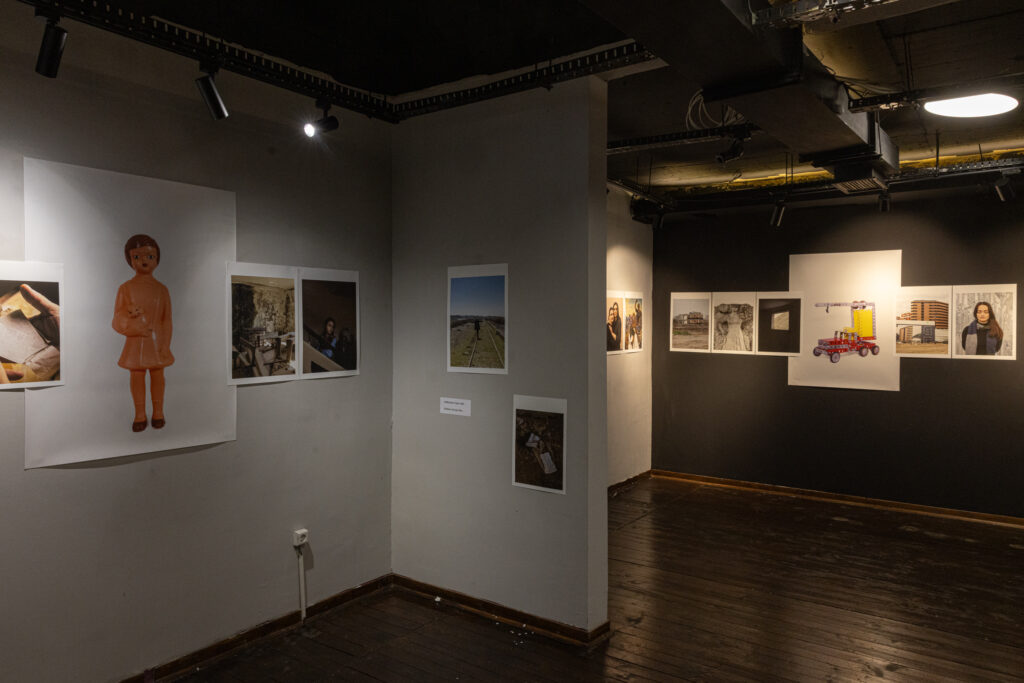
And so, it seemed to me that this country existed in a different time than the rest of Europe, somewhere between times, or out of time. Albania seemed like it was floating between its not-too-distant past, which simultaneously felt infinitely far away, and a future that gave the impression that it would dissolve into nothingness like a dream before it had even begun, joining the many pasts that apparently never happened. But perhaps things are quite different, with all times existing simultaneously in Albania, yet fighting each other for supremacy. The times devour each other, they are victims of rapid change: my impression was that the future was trying to crush the past with all its concrete might, without being able to destroy it completely. Over and over again, the past seems to return and insidiously undermine the foundations of the future. And now that I am at the end of my project, with all the many images, with the many photographed presences that are now, without exception, part of the past, What now? Some of these captured moments testified to the desire for a future; but now they too are past, a past future, so to speak. Yes, my photography always came a little too late—as perhaps all photographic art does.
And sometimes I wake up in the middle of the night, exhausted, unable to sleep. I can't remember anything and don't know into which dream I've fallen. The images, the photographs, at least those remain with me, and they comfort me with the belief that perhaps sometimes I have succeeded in capturing at least a shadow of the past or the future.
Thomas Krempke, Photographer
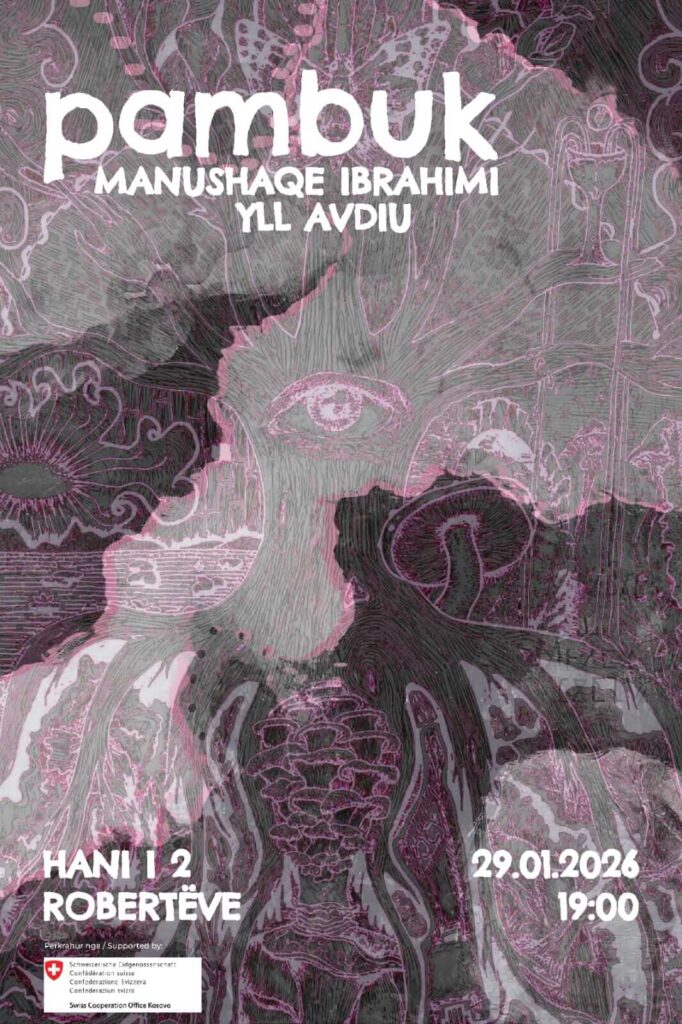
The exhibition was made possible through the financial support of the Swiss Agency for Development and Cooperation (SDC) and the Swiss Arts Council Pro Helvetia. The content of this article and exhibition is the sole responsibility of Hani i 2 Robertëve and does not necessarily reflect the views of the Swiss Agency for Development and Cooperation (SDC) or the Swiss Arts Council Pro Helvetia.