In recent years, artificial intelligence (AI) has become one of the central topics in discussions about the future of humanity. Alongside enthusiasm for its potential, alarming predictions about the possible demise of humankind have also emerged, fueled by fears that AI may eventually surpass human capabilities in virtually every field of human activity.
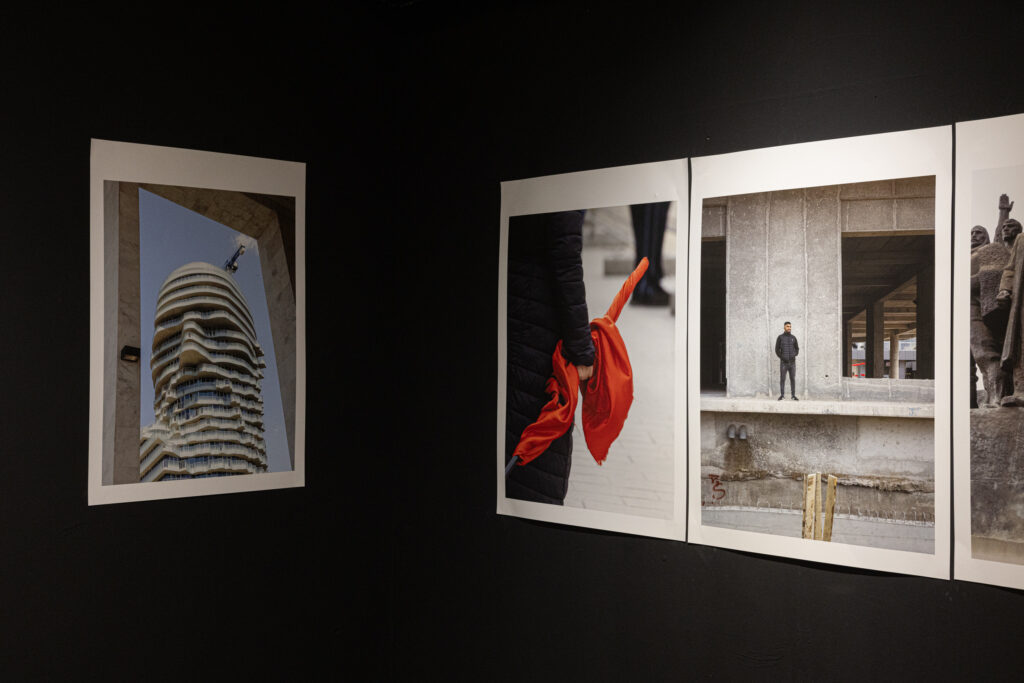
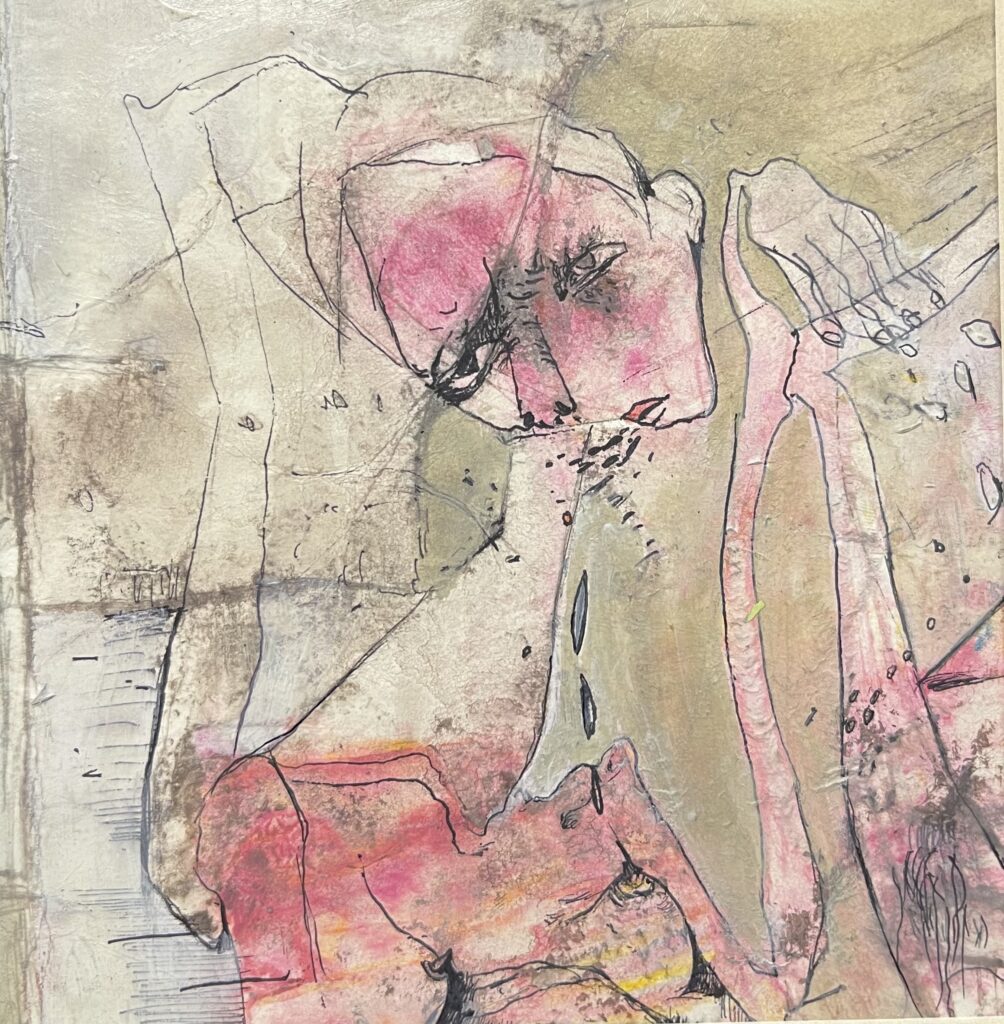
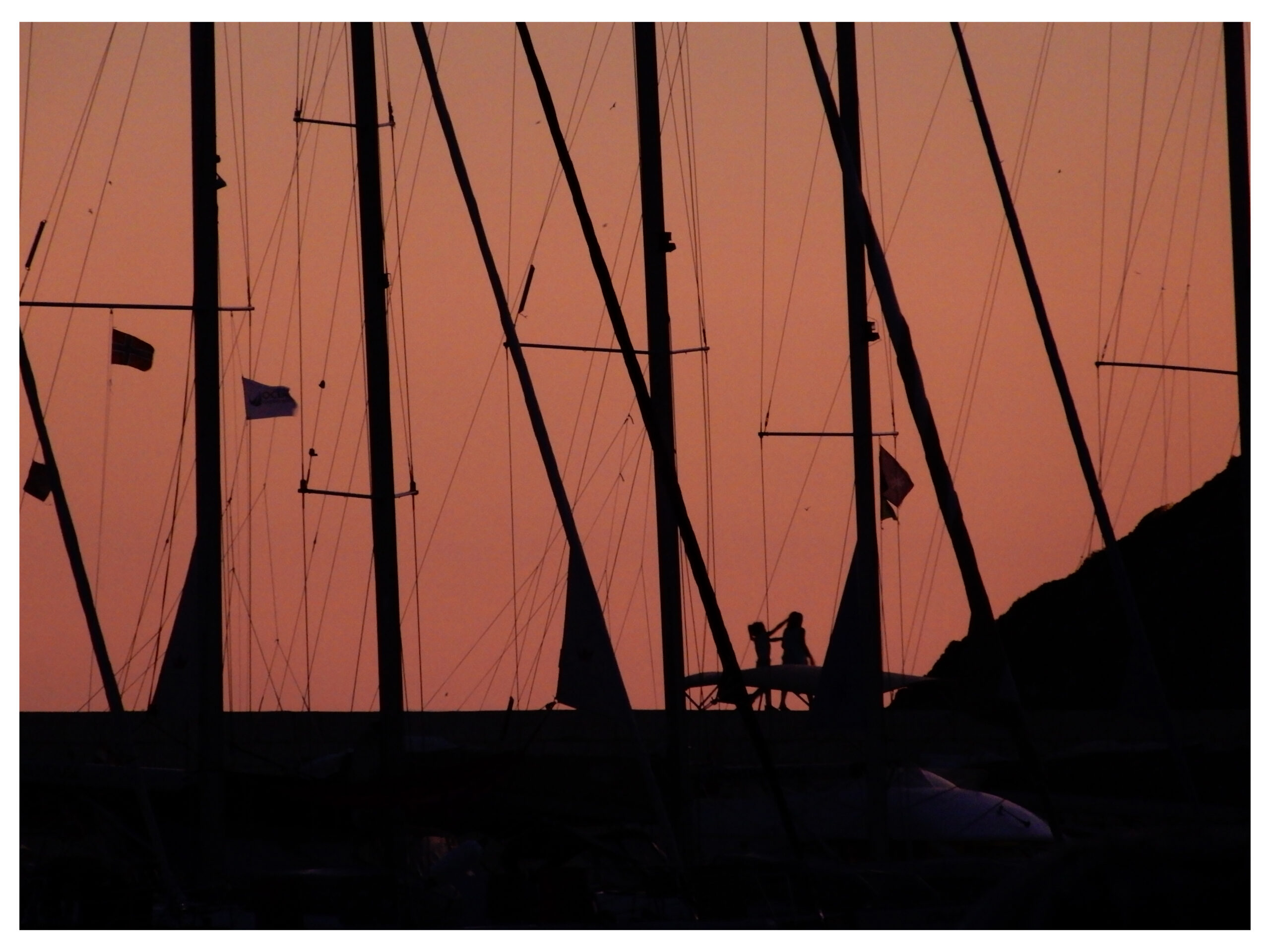
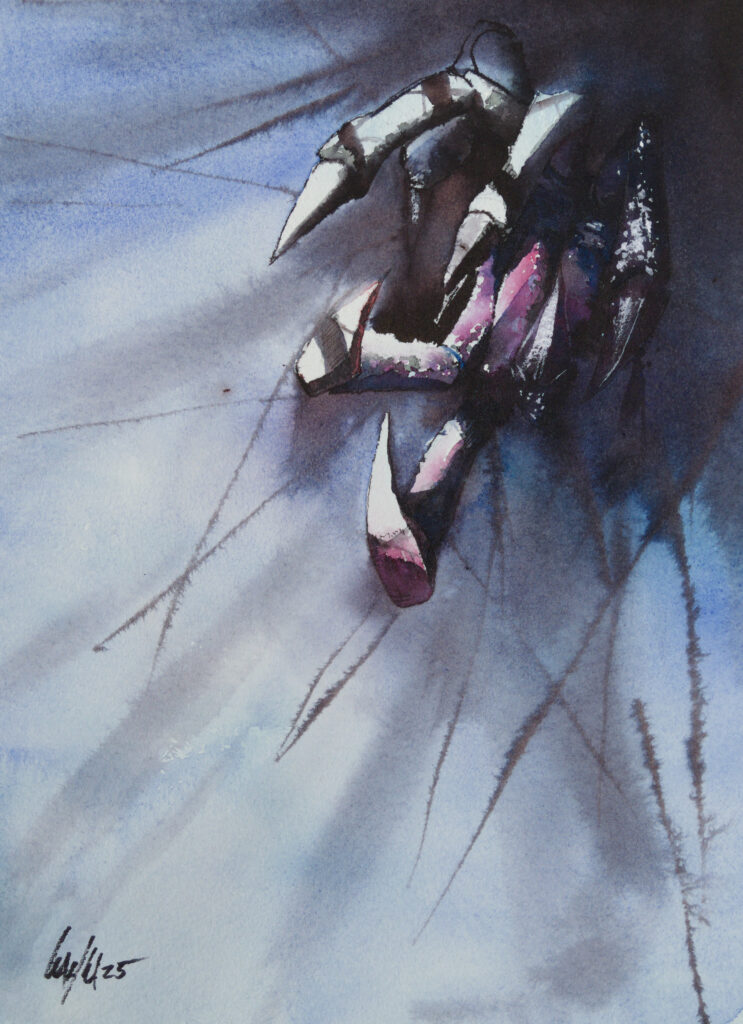
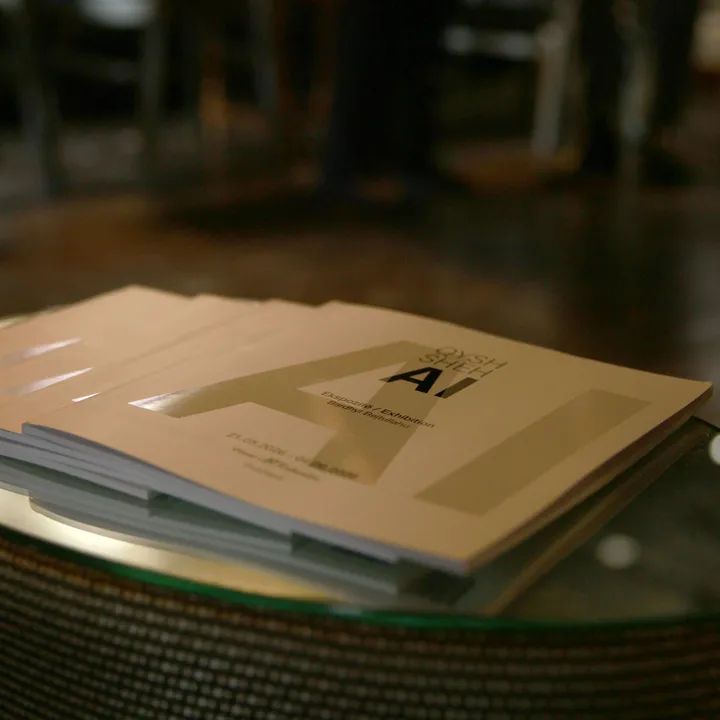
In this exhibition at Hani i 2 Robertëve, artist Bardhyl Bejtullahu confronts the motivation, emotion, and innate creativity of the human artist with the imaginative power of artificial intelligence. AI is tasked with interpreting the same subjects as the artist’s original works, generating alternative versions as if seen through the eyes of a child, an elderly person, an architect, a psychiatrist, and others. The result of this artistic experiment is a compelling range of parallel images that invites viewers to reflect on questions of authorship, originality, and the relationship between human creativity and AI-generated interpretation.
In this experiment, AI becomes a tool for producing multiple variations of the same artwork, variations that can be generated almost infinitely. These are not mere copies; they also bear the imprint of Bejtullahu's authorship, suggesting an expanded notion of authorship, a kind of multiverse of authorship.
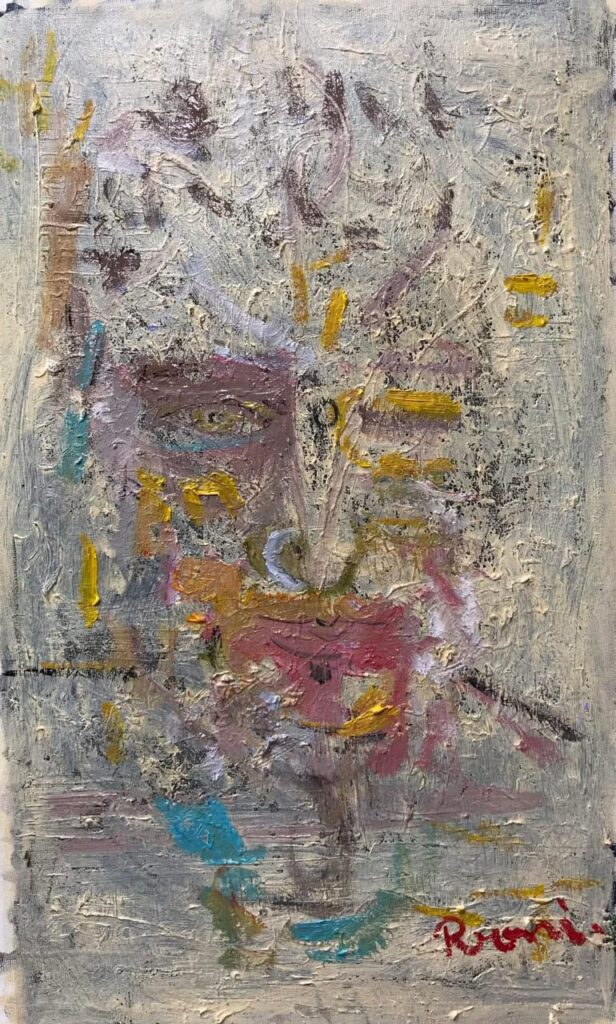
Bardhyl Bejtullahu's original paintings are distinguished by carefully considered, well-balanced compositions that are generally harmonious and visually engaging. They radiate a sense of optimism, as the artist often situates his subjects within luminous fields of white that envelop them in a glowing aura. At the same time, their fluidity and transparency lend the oil paints the spontaneity and delicacy more commonly associated with watercolor.
Another distinctive compositional feature is the vertical elongation of structural forms, which lends the landscapes a stylized character. Trees and houses are rendered with pronounced vertical extensions, while the abstract works are constructed through subtle, dynamic intersections between vertical and horizontal visual vectors - or, metaphorically, between the celestial and the terrestrial, giving rise to a coherent and perceptible aesthetic reality.
Light and whiteness prevail throughout Bejtullahu's work, not as a denial of the darkness and toxicity of contemporary life, but as a deliberate counterpoint to the very threats that socially engaged art identifies as the greatest dangers to our survival. As human beings, we still need to recognize and experience the beauty of places of refuge, our oases of hope.
At its core, however, this exhibition is an exploration of the challenge posed by artificial intelligence. Through his distinctly optimistic vision, Bejtullahu invites AI to perform as a creative agent, while reminding us that, as a technology conceived by human beings, it must never exceed us in what defines our humanity: our capacity for feeling, empathy, and spirit.
Shkëlzen Maliqi
Philosopher, Art Critic, and Political Analyst
The exhibition was organized with the financial support of the Swiss Agency for Development and Cooperation (SDC) as part of the project “Empowering Cultural Expression.” Its contents are the sole responsibility of Hani i 2 Robertëve and do not necessarily reflect the views of the Swiss Agency for Development and Cooperation.