His forms do not seek spectacle. At a time when everything is gripped by the digital and instantaneous image, by the speed of consumption and interpretation, Destan Gashi’s sculptures appear as a stubborn medium determined to resist the dynamics of the age. It is as if they have resolved, at all costs, to bear witness to a slower world, one in a state of continuous re-creation, yet destined to endure.
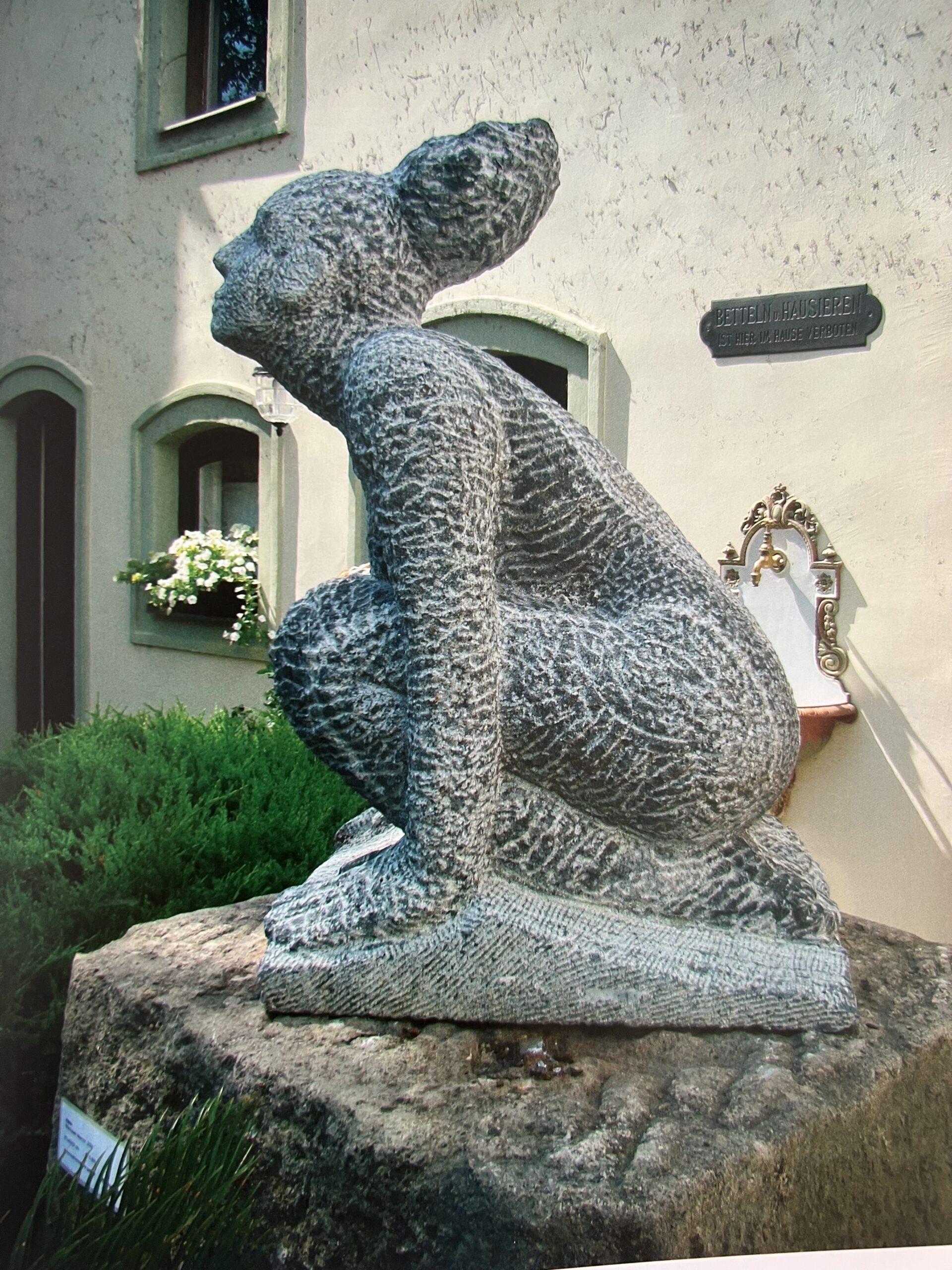
The sculptor gives matter the ability to dream, the French philosopher Gaston Bachelard once wrote. Stone, wood, and clay are not merely physical materials; they are also forms that inhabit space and awaken the imagination. For Bachelard, artistic space is not simply geometry, it is experience, memory, and poetry. This is why Destan Gashi’s sculptures demand time: time to be seen, understood, and felt. The forms that occupy time and space gradually unfold before the viewer, opening up multiple possibilities of interpretation. At times they seem to emerge from the stone; at others, they appear to rest within it. Sometimes they invite us to linger, to rest our gaze upon the incompleteness and imperfection of existence itself.
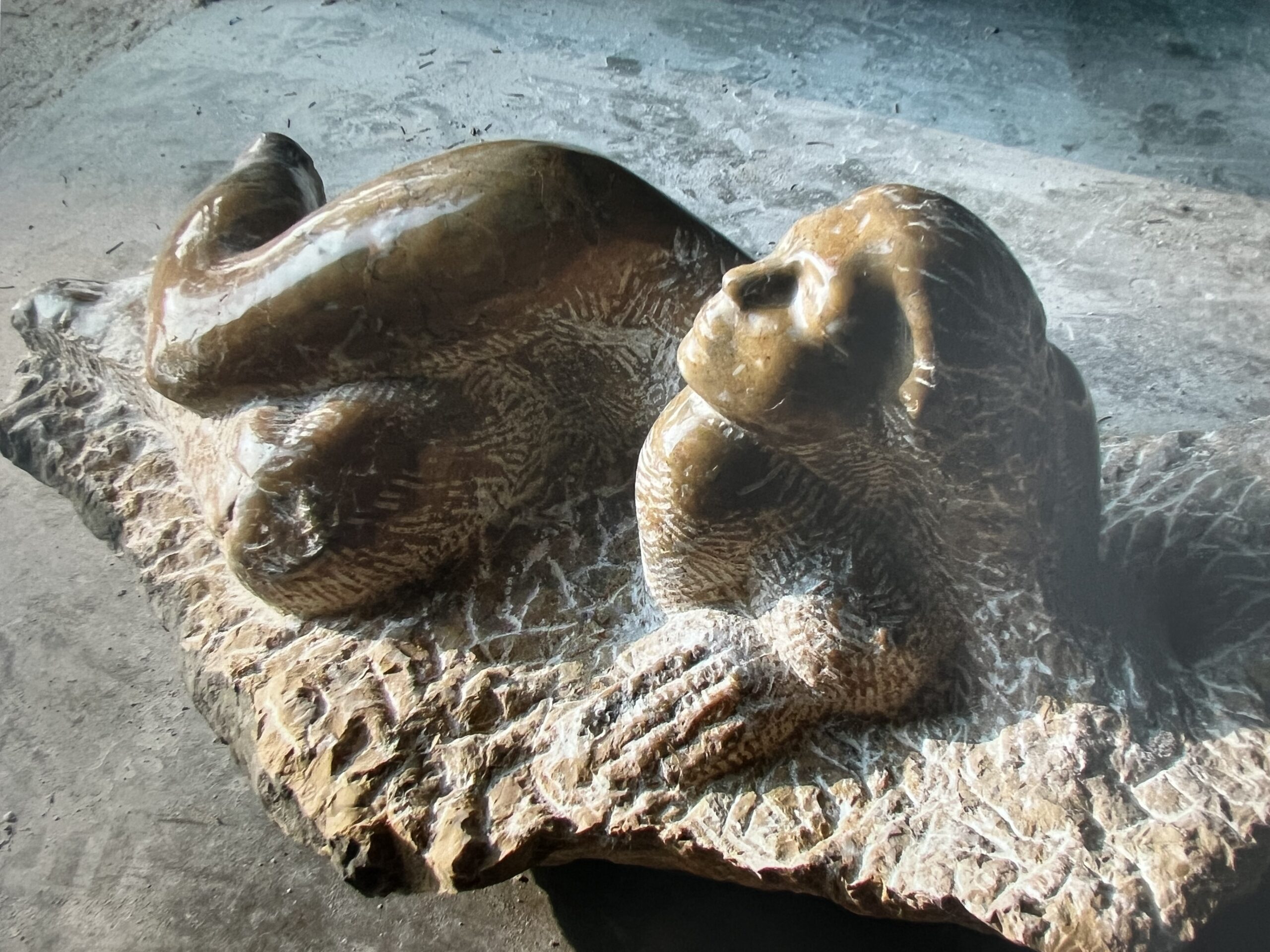
The visual artist Henry Moore wrote that human forms and natural forms share the same aesthetic origin. His well-known assertion that “to understand stone, one must work with it, not against it” seems particularly relevant here. Destan Gashi has understood this principle. He does not seek to dominate the stone; rather, he respects its dwelling and simply continues a process of creation that nature began long ago. His figures emerge from the raw mass of the material. They are serene, purified forms that rest upon the untouched base of the stone, as though they were part of a natural relief. For this reason, the lines and contours of the bodies do not appear merely carved; instead, they bear witness to a process of becoming, a birth, a liberation from matter, an almost accidental revelation of its inner spirit.
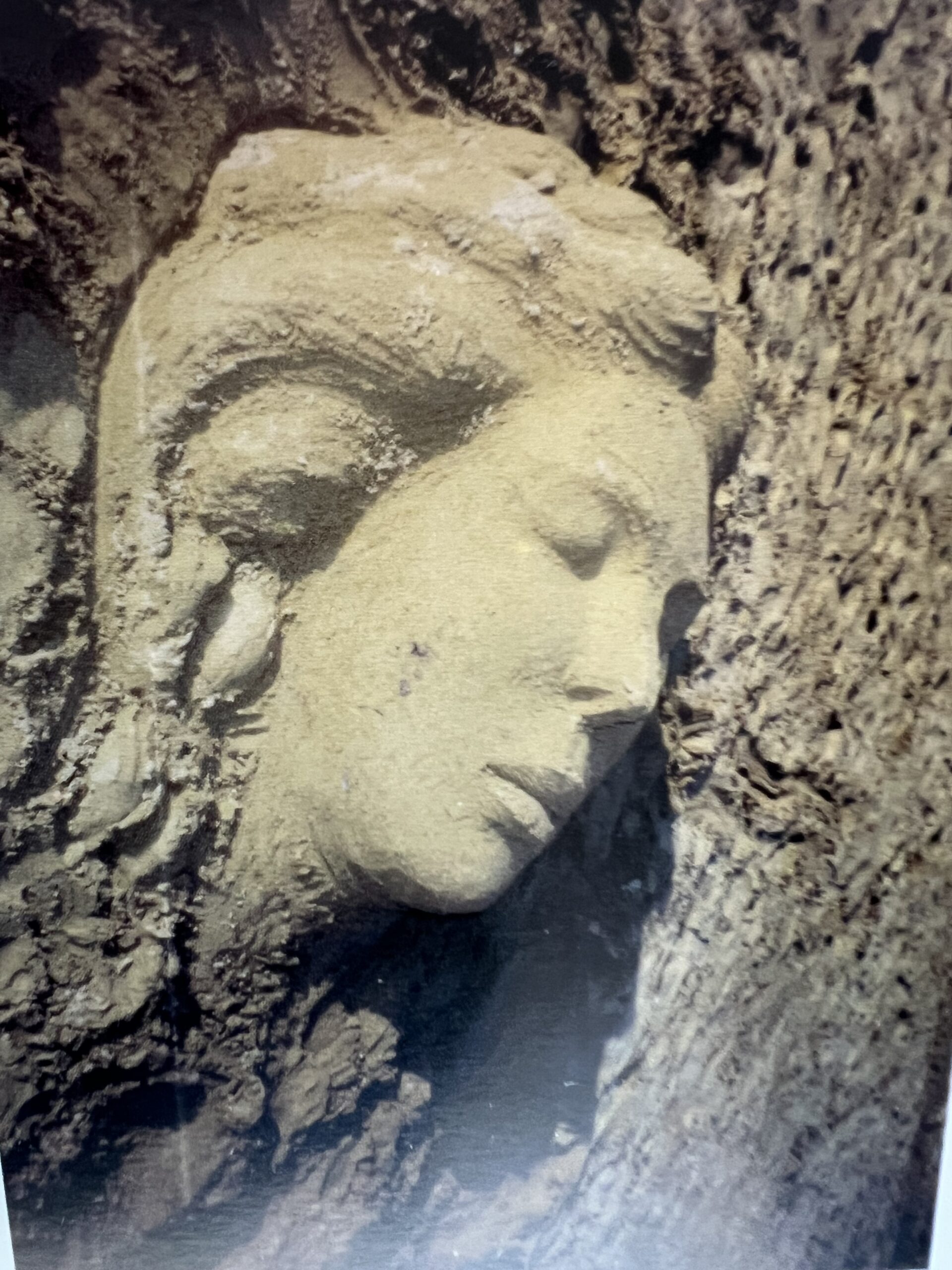
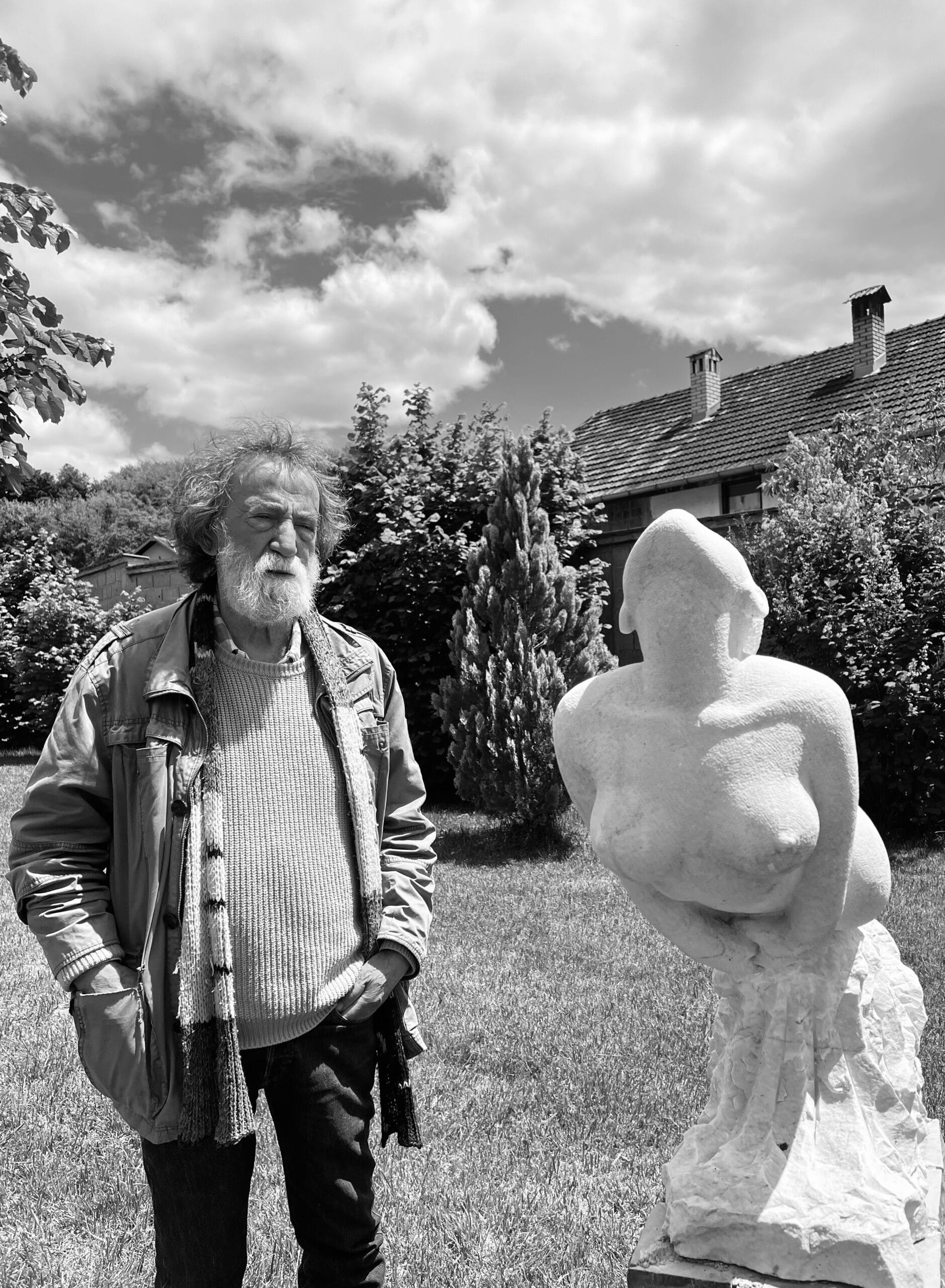
Destan Gashi, the sculptor who lives and works in Vienna and was born in Zoçishtë, Rahovec, belongs to a distinguished tradition of modern sculpture in which significance lies not only in the finished form, but also in the relationship and dialogue between form and the material from which it emerges. For this reason, the artist does not conceal the raw nature of his medium; instead, he emphasizes it, along with the power of nature itself. In engaging with this creative force, Gashi does not seek to intervene with brutality, but through interaction, touch after touch. This is equally evident in the female figure, a motif he continually revisits and recreates. She appears untouched by the sculptor’s intervention, as though she remains free to continue her own process of becoming. Rather than being imposed upon, she seems to emerge from the material itself, carrying forward an endless play of self-creation.
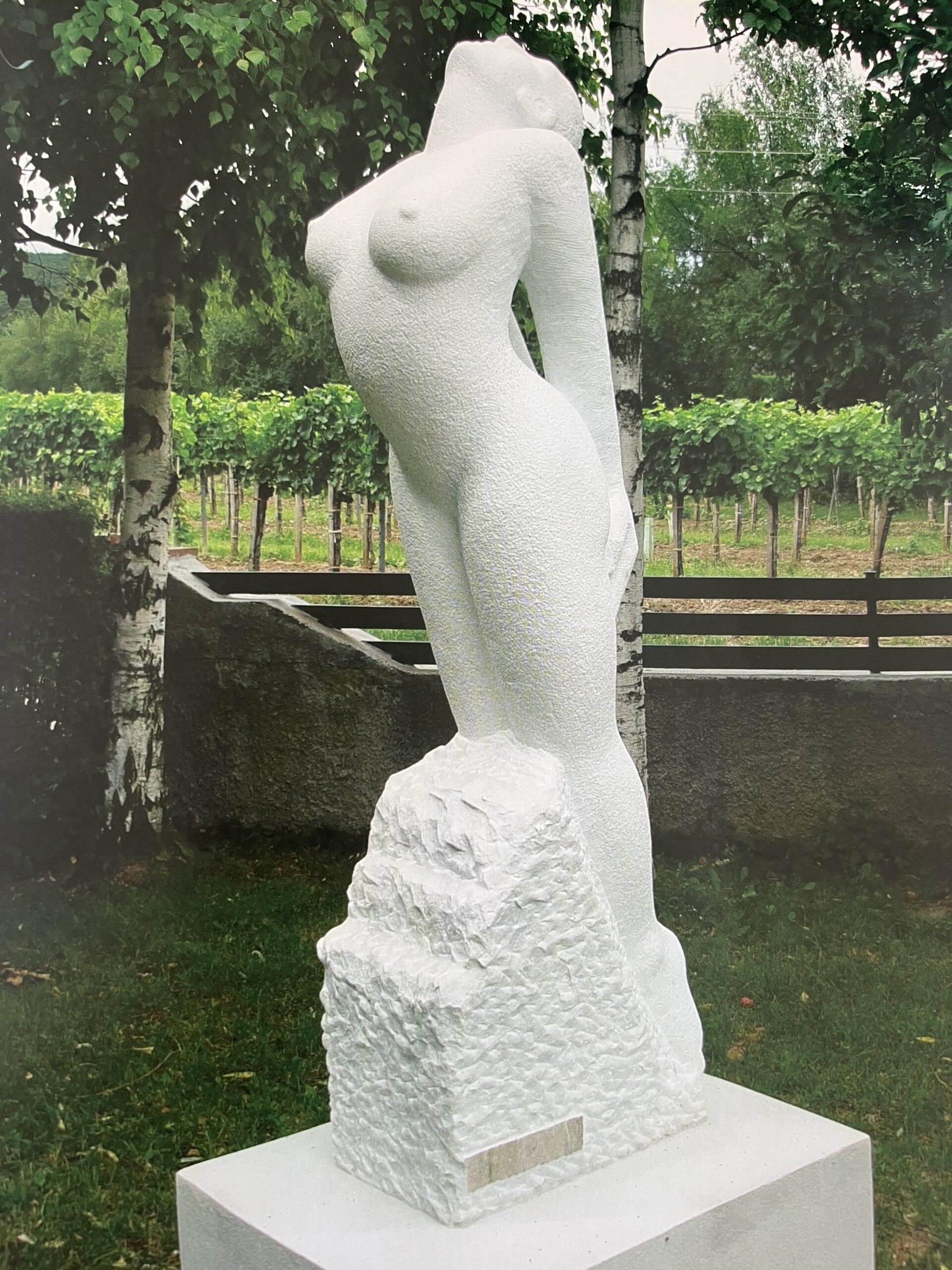
Nude sculptures often occupy the exhibition space, which the artist prefers to be a courtyard or an open natural setting. Yet the woman in his nudes is neither an object of sensuality nor a vehicle for demonstrating anatomical perfection or technical virtuosity. She is reduced to the lines that constitute her essence, to her most elemental forms, becoming one with the landscape in which she appears. She meditates, lifts her head toward the sky, searches and waits, suspended in an inner tension with time itself. For Gashi does not seek to represent reality in its outward appearance, but rather its essence. The female figure in his work therefore does not stand for a particular woman; instead, it embodies the very idea of femininity.
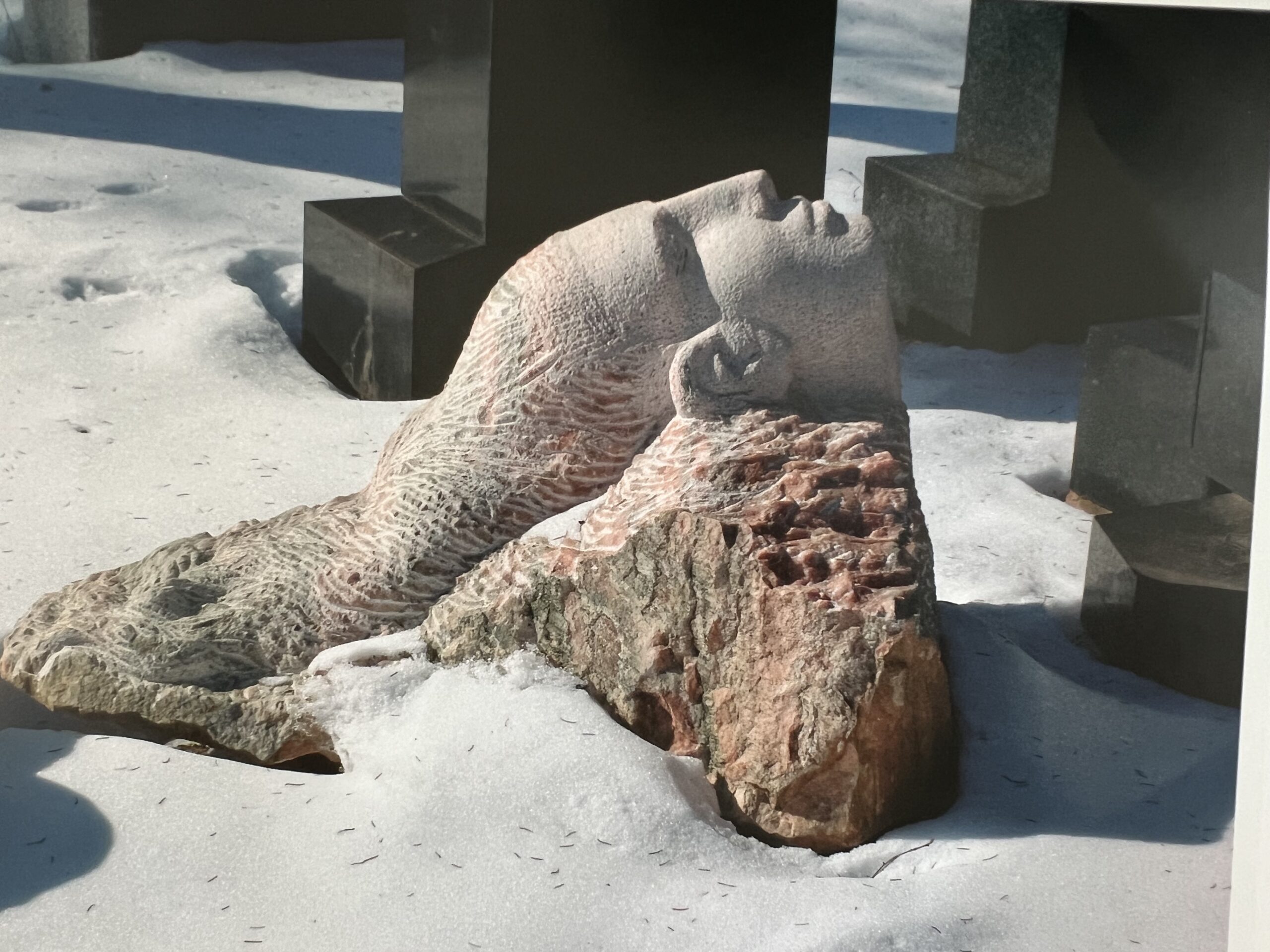
Destan Gashi draws no clear dividing line between the stone and the human face emerging from it. The boundary between the two remains deliberately ambiguous, transforming the work into a metaphor for memory, origin, and humanity’s connection to the earth. Perhaps it is no coincidence that he chose stone as his primary medium, a symbol of continuity, endurance, and the human desire to resist oblivion. In this way, Gashi creates a dialogue between the deep time of nature and the fleeting time of human life, a meeting point where the memory of the earth converges with the memory of humankind.
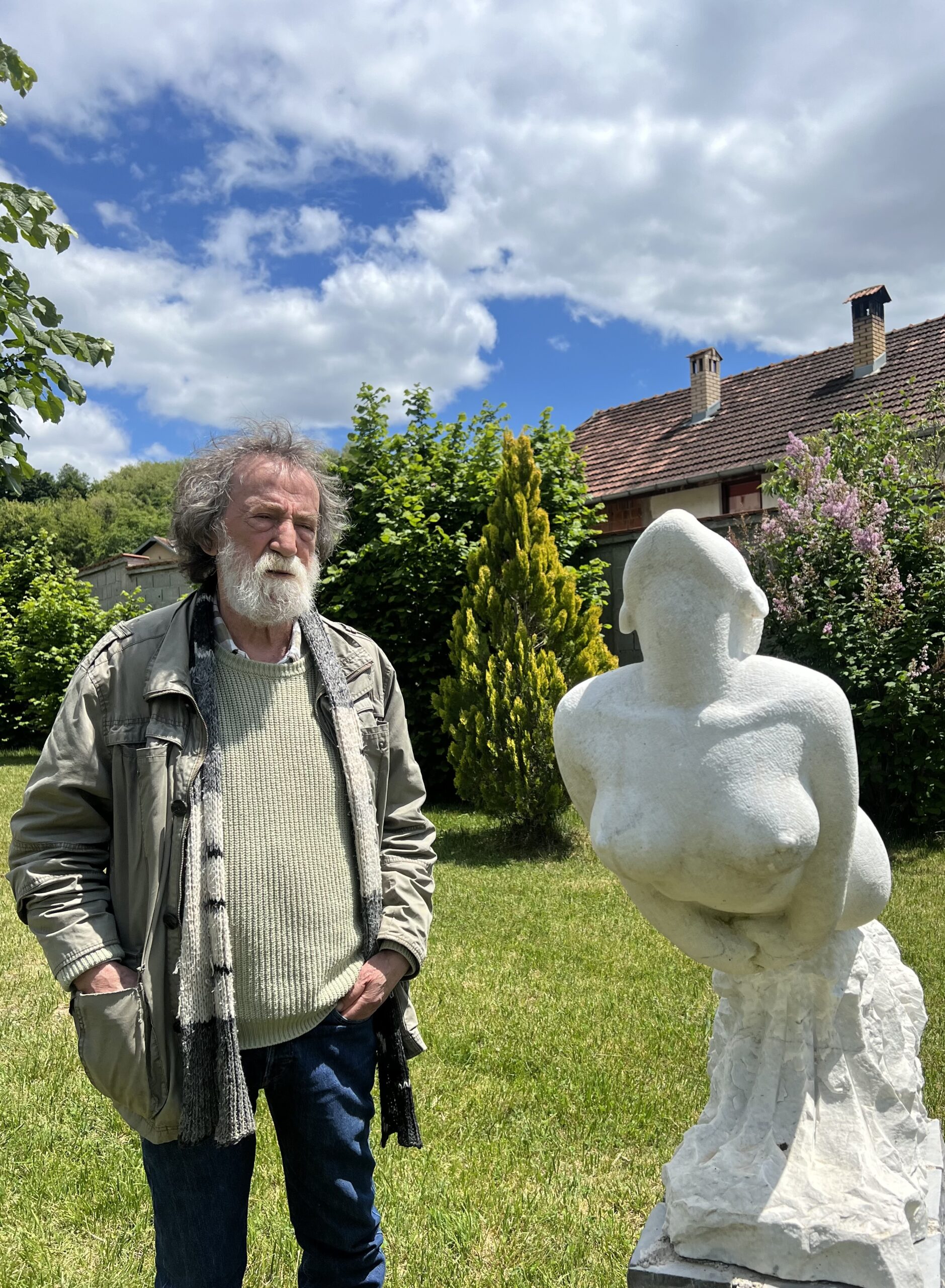
What distinguishes Destan Gashi is that his sculptures do not seek immediate spectacle. They do not impose themselves, nor do they rely on drama. Instead, they remain in a state of becoming, continuing to emerge from matter even after the sculptor has completed his work. For this reason, his sculptures speak not only of what they represent, but, more importantly, of the transformative process that brought them into being. They may therefore be understood as an ongoing search for harmony between human beings, form, and matter. This harmony is also felt in the viewer’s encounter with the work. Gashi’s sculptures are not merely objects to be observed; they are a way of experiencing the world. The inhabited space they create transcends the geometric space in which they were formed, opening onto a realm of memory, imagination, and contemplation.
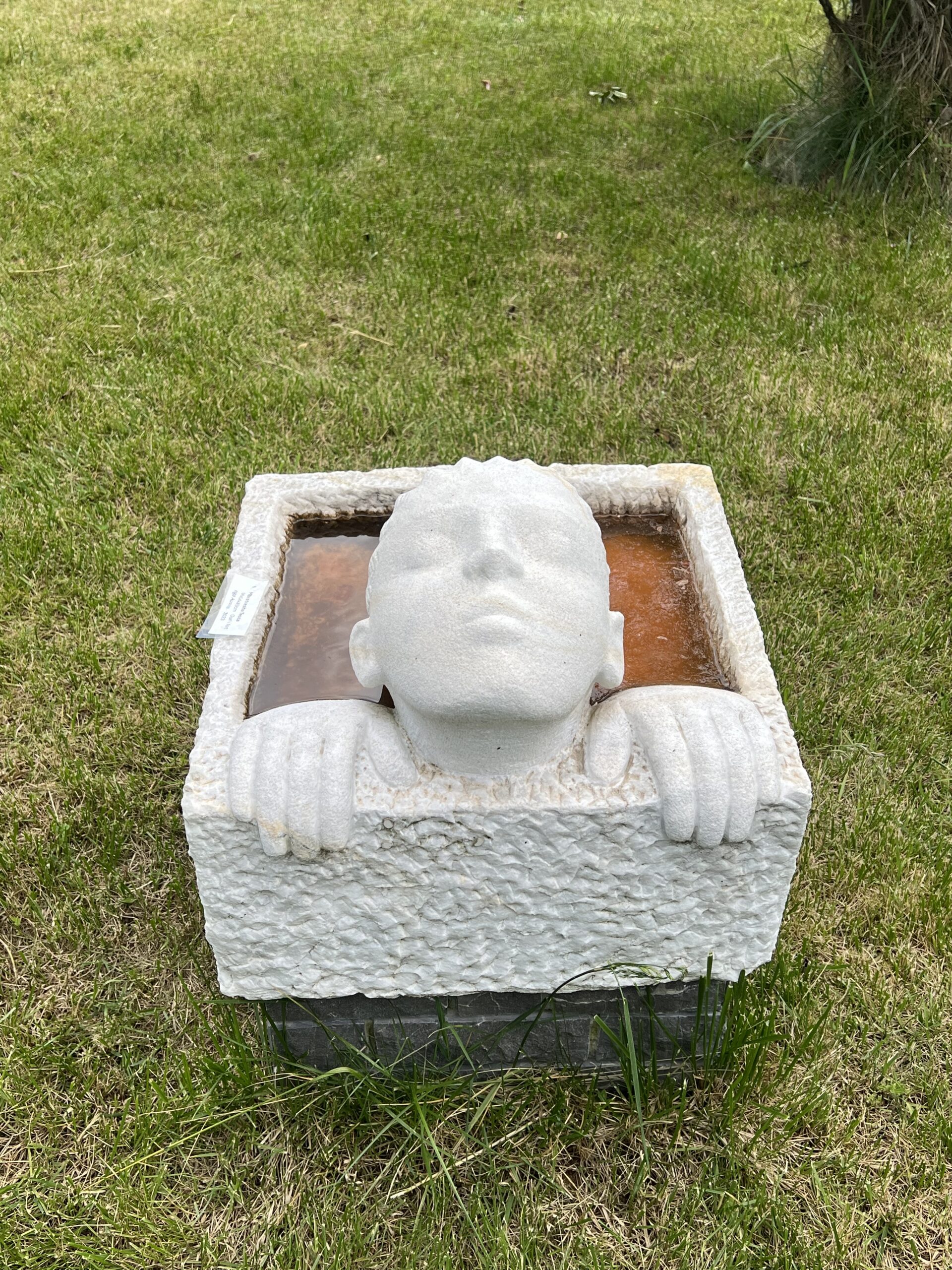
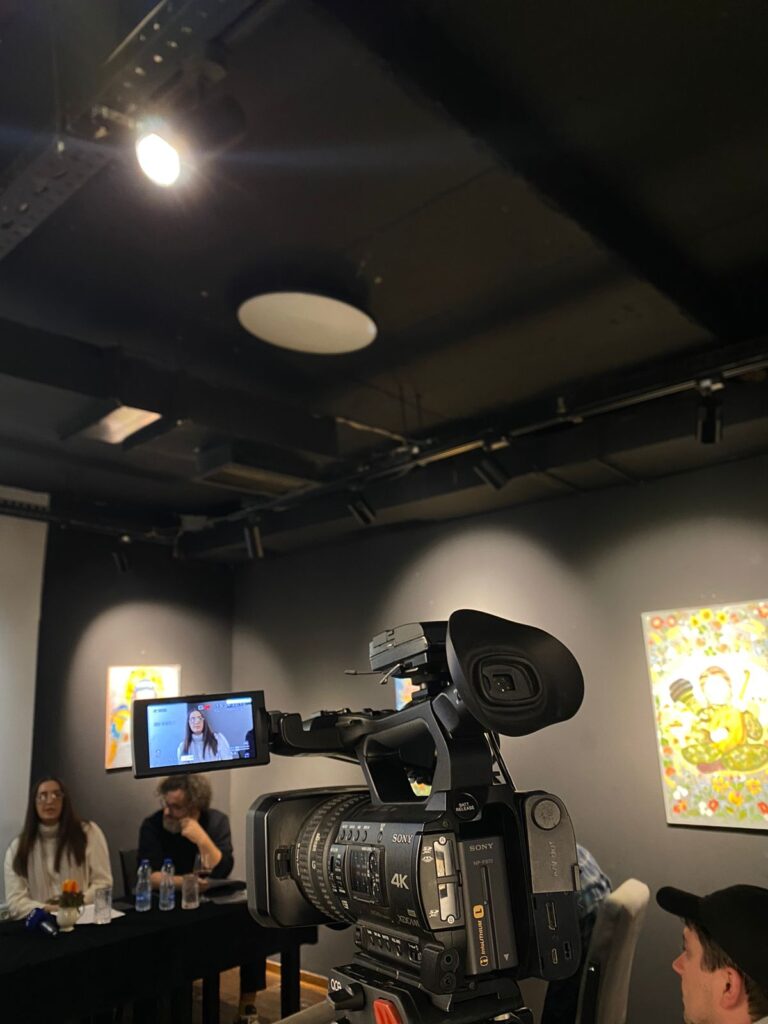
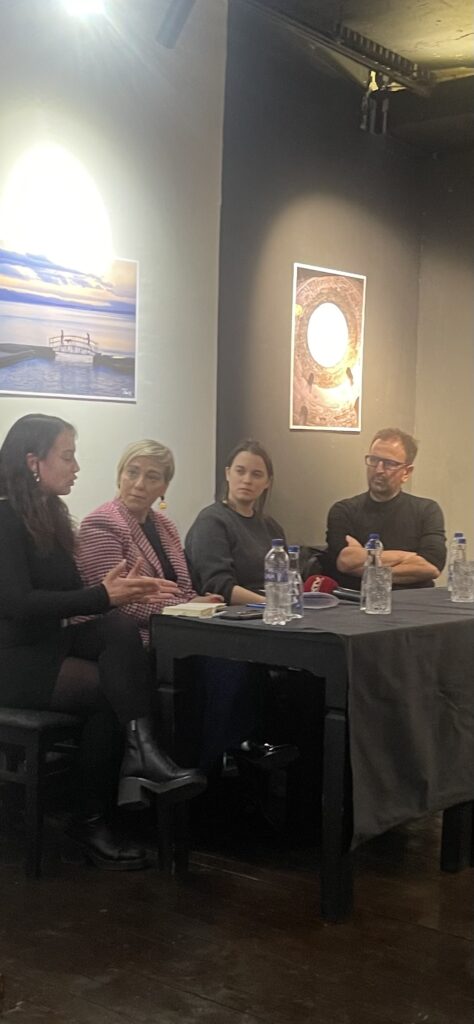
In Destan Gashi’s work, stone is more than a material. It is history, time, and memory. Gashi does not appear to impose his own form upon it; rather, he reveals what has long existed within. It is through this relationship—this dialogue between the artist’s hand and the resistance of the stone—that the poetry of his sculptures emerges. These past days, audiences in Kosovo have had the opportunity to encounter this poetic dimension firsthand through the exhibition of his works in his native village of Zoçishtë. There, the sculptures stand not merely as artistic objects, but as traces of an ongoing conversation between nature, memory, and human creation.
Adriana Kabashi
Adriana Kabashi is a journalist and a critic of culture, art, and literature. She writes regularly on cultural developments, literary publications, and contemporary art, contributing to critical discourse in the public sphere. She is also the creator and host of the cultural and technology program Sense, broadcast on the Radio Television of Kosovo (RTK), where she explores topics at the intersection of culture, art, media, and technology.

This blog was published with the financial support of the Swiss Agency for Development and Cooperation (SDC) within the framework of the project “Strengthening Cultural Expression.” The content of the article is the sole responsibility of Hani i 2 Robertëve and does not necessarily reflect the views of the Swiss Agency for Development and Cooperation.