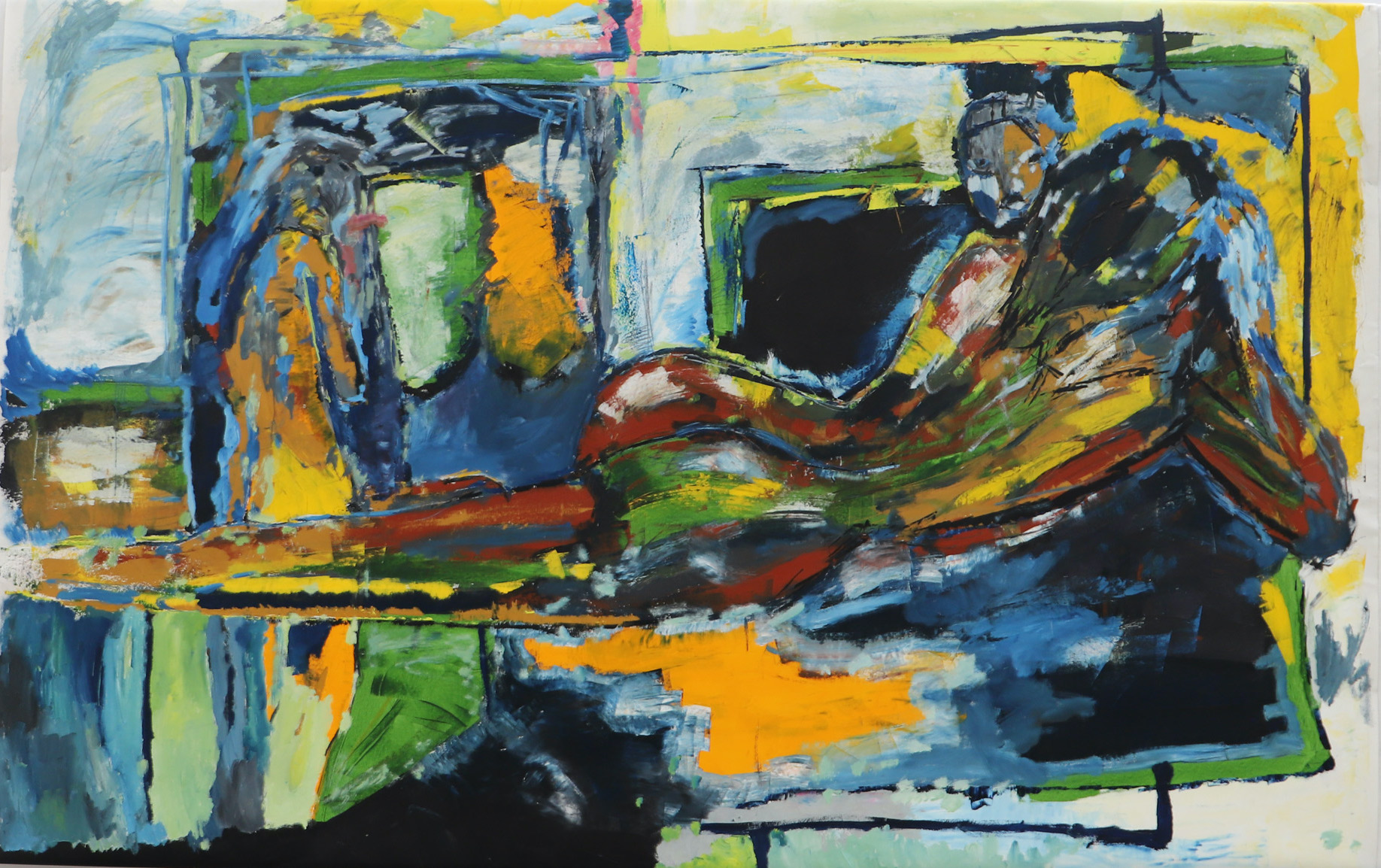
Why Art Is Not Just Passion, but Also Economy
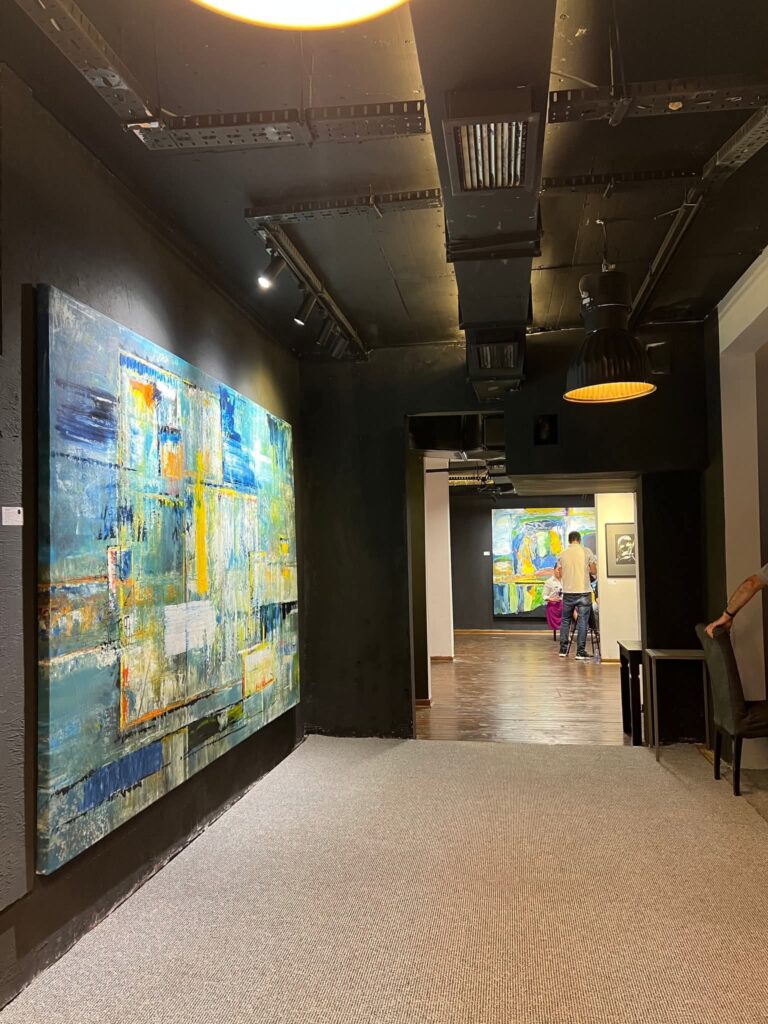
In every great civilization, art has not only reflected the spirit of its time, but has also driven economic development. In ancient Athens, open-air theaters were not just venues for tragedy and comedy; they were vibrant centers of trade, tourism, and diplomacy. During the Renaissance in Florence, the Medici family didn’t invest in art purely out of love for beauty - they understood that artistic value creates prestige, influence, and economic stability. In the 21st century, metropolises like New York, London, and Berlin follow the same logic: a city that invests in culture gains not only image but also attracts capital, tourism, and innovation.
Art as an Economic Driver; There is a direct relationship between art and the economy. A work of art, a festival, or a cultural center does not simply create an aesthetic experience, it activates an entire economic chain: generating jobs for artists, curators, architects, lighting designers, audiovisual technicians, marketing agencies, and the local tourism industry. A major exhibition in a museum can generate millions of euros for a city through hospitality, restaurants, transport, and local product sales. In France, the cultural sector contributes more than 3% to the national GDP, more than the automotive industry. In Japan, aesthetics and culture are so deeply embedded in the national economy that a luxury brand like Muji doesn’t just sell products, but a lifestyle philosophy rooted in Japanese traditions and minimalism.
Raising Economic Value Through Art Integration
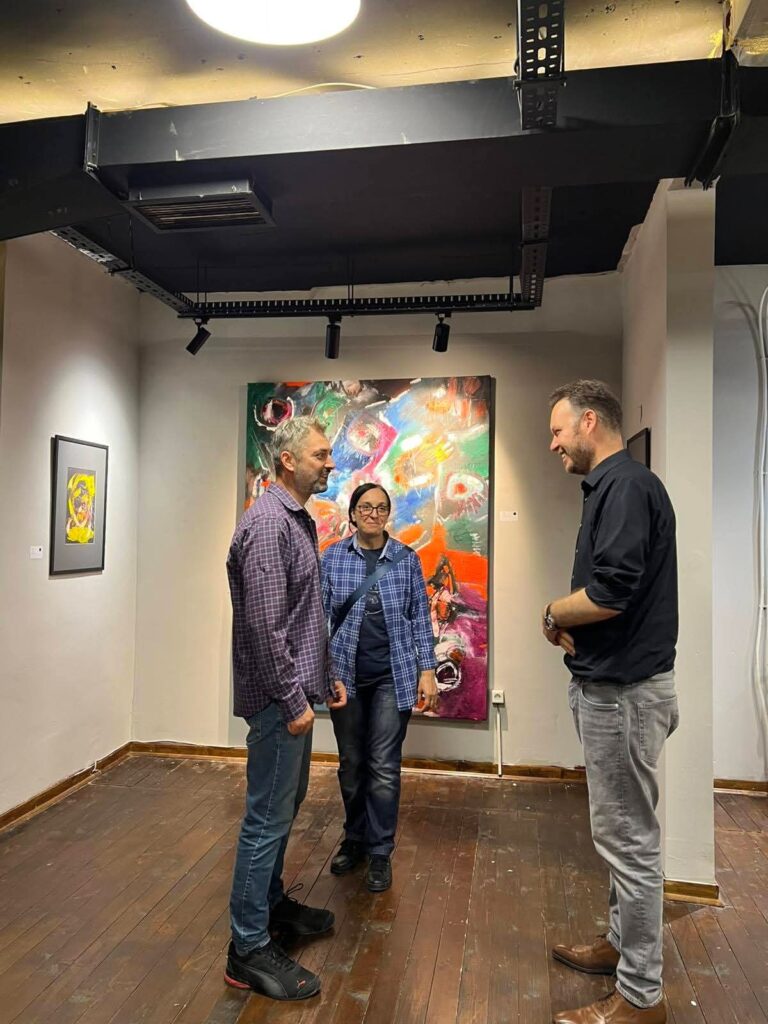
Kur arti kombinohet me sektorë të tjerë – si arkitektura, teknologjia, gastronomia apo moda, krijohet një sinergji që rrit vlerën ekonomike në mënyrë eksponenciale. Shembujt janë të shumtë: marka si Louis Vuitton, që bashkëpunon me artistë bashkëkohorë për koleksione të kufizuara, kanë arritur të shumëfishojnë vlerën e produkteve dhe të rrisin prestigjin global. Në teknologji, kompani si Apple kanë kuptuar se dizajni – një formë arti, është po aq i rëndësishëm sa funksionaliteti, duke e kthyer produktin në një ikonë kulturore. Në nivel urban, projekte si “High Line” në Nju Jork, një park i ndërtuar mbi një linjë të vjetër treni nuk sollën vetëm gjelbërim dhe art publik, por rritën ndjeshëm vlerat e pasurive të paluajtshme përreth dhe tërhoqën investime të reja.
An Opportunity for Leading Companies
Për kompanitë lidere të një vendi, bashkëpunimi me institucionet e artit nuk është vetëm filantropi – është strategji biznesi. Duke investuar në art, ato krijojnë një identitet korporativ të lidhur me kulturën, duke ndërtuar besim, prestigj dhe besnikëri. Një kompani që integron artin në zyrat e saj, sponsorizon ngjarje kulturore, ose bashkëpunon me artistë për projekte të përbashkëta, nuk po shpenzon vetëm buxhetin e marketingut – po krijon kapital simbolik dhe emocional që ka fuqi të madhe tregu.
In a world where consumers no longer buy just products, but stories and experiences, art becomes the bridge between a brand and the soul of its audience. It grounds a company in national values and positions it as an actor contributing to societal development.
In Kosovo, art and culture are often seen as luxuries, not as foundations of development. But global history teaches us that wherever there is investment in culture, economic growth follows. Art is not just the passion of an individual, it is a universal language that, when linked with economic strategy, can build cities, strengthen national identities, and create long-term wealth.
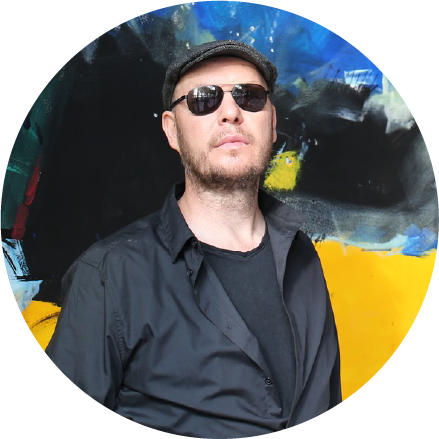
Shuk Oranı, Multimedia artist
15 08 2025

The blog was published with the financial support of the European Union as part of the project “The development of art criticism”. Its contents are the sole responsibility of Hani i 2 Robertëve and do not necessarily reflect the views of the European Union.